Music Mogul Behind Whitney Houston, Clive Davis, Dead at 94: What Was His Net Worth?

Clive Davis net worth
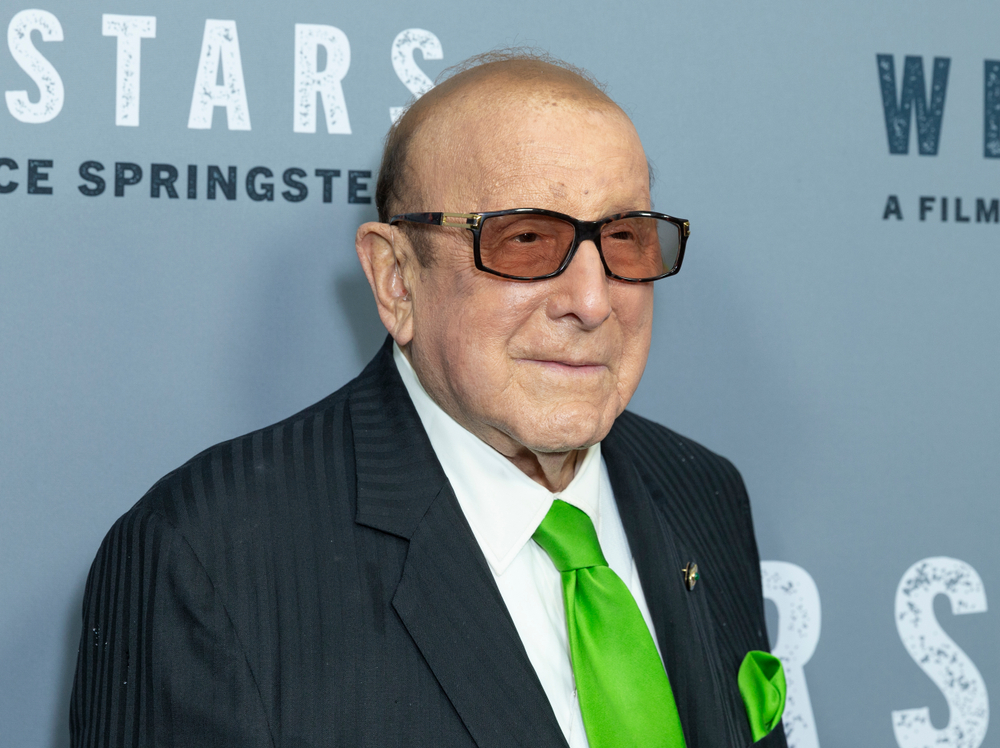
Clive Davis, the legendary music executive who helped launch Whitney Houston’s career, died at 94 with an estimated net worth of $850 million built over six decades in the music industry. lev radin/Shutterstock

The music world lost one of its most influential figures this week when legendary record executive Clive Davis died at the age of 94. Known for discovering, mentoring, and shaping the careers of some of the biggest names in music history, Davis helped launch stars such as Whitney Houston, Alicia Keys, Bruce Springsteen, Santana, and Barry Manilow. His passing marks the end of an era for the recording industry, but it has also renewed interest in the extraordinary fortune he built over more than six decades in entertainment. For fans and investors alike, Clive Davis’s net worth offers a fascinating look at how one of music’s greatest executives turned talent discovery into a lasting financial empire.

Clive Davis Built a Career Unlike Any Other

Clive Davis began his professional life as a lawyer after graduating from Harvard Law School, before unexpectedly finding his way into the music business. He joined Columbia Records in the 1960s and quickly rose through the ranks, eventually becoming president of the label. During his tenure, he helped sign and develop artists including Janis Joplin, Santana, and Bruce Springsteen, establishing a reputation for having an exceptional ear for talent. Even after setbacks, including his departure from Columbia in the 1970s, Davis successfully reinvented himself by founding Arista Records. His ability to spot future stars became legendary and earned him the nickname “the man with the golden ear.” Sources: Reuters, The Guardian.

Whitney Houston Became His Most Famous Discovery

While Davis worked with countless artists, his relationship with Whitney Houston remains one of the most significant success stories in music history. He signed Houston to Arista Records after recognizing her extraordinary vocal talent at a young age and played a key role in shaping her career. Under his guidance, Houston became one of the best-selling recording artists of all time, generating hundreds of millions of dollars in album sales and concert revenue. Davis often described Houston as a once-in-a-generation talent, and the partnership became a defining chapter in both of their careers. Even decades later, many fans still associate Clive Davis’s name with Whitney Houston’s rise to global superstardom. Sources: Reuters, Pitchfork.

What Was Clive Davis’s Net Worth?

According to multiple celebrity wealth estimates published before his death, Clive Davis’s net worth was widely reported to be approximately $850 million. That fortune was accumulated through executive salaries, record label ownership interests, production credits, publishing rights, investments, and decades of profit participation in successful music ventures. Unlike many performers whose earnings fluctuate with touring schedules, Davis benefited from long-term ownership stakes and executive compensation tied to major industry successes. His work at Columbia Records, Arista Records, J Records, and later Sony Music helped create a steady stream of wealth throughout his career. While exact figures remain private, most financial analysts agree that he was one of the wealthiest music executives in history.

His Influence Extended Across Multiple Generations

One reason Clive Davis’s net worth grew so dramatically was his ability to stay relevant across generations of music fans. He helped guide rock acts in the 1960s and 1970s, embraced pop stars in the 1980s and 1990s, and continued working with modern artists well into the 2000s. Davis played an important role in the careers of Alicia Keys, Sean “Diddy” Combs, Kelly Clarkson, Jennifer Hudson, and many others. Few executives have successfully navigated so many shifts in musical tastes, technology, and consumer behavior. His adaptability allowed him to remain a powerful force in an industry known for rapid change. Sources: Reuters, The Guardian.

Awards, Recognition, and Lasting Financial Success

Throughout his career, Davis earned numerous honors that reflected both his artistic influence and business success. He won five Grammy Awards and was inducted into the Rock and Roll Hall of Fame in 2000, recognizing his impact on popular music. Beyond awards, he became known for his annual pre-Grammy gala, an event that brought together the industry’s biggest names. His memoir, “The Soundtrack of My Life,” provided additional insight into the business strategies and personal relationships that shaped his career. These accomplishments reinforced his status as both a cultural icon and a remarkably successful businessman. Sources: Reuters, The Guardian, Pitchfork.

The Financial Legacy He Leaves Behind

Clive Davis leaves behind far more than a large fortune. His influence can still be heard on radio stations, streaming playlists, and concert stages around the world because many of the artists he championed remain cultural icons today. The wealth he accumulated reflects decades of identifying talent before others recognized its potential, a skill that few executives have matched. His story also serves as a reminder that some of the most successful figures in entertainment are not necessarily performers but the visionary executives working behind the scenes. As tributes continue to pour in, his legacy as both a music industry giant and a financial success story appears certain to endure for generations. Sources: Reuters, Page Six.

Remembering the Man Who Changed Modern Music

The death of Clive Davis closes a remarkable chapter in entertainment history, but his influence will continue through the artists, recordings, and careers he helped create. From discovering Whitney Houston to mentoring generations of musicians, Davis shaped the soundtrack of millions of lives. His reported $850 million net worth reflects not only financial success but also the immense value of his contributions to the music business. Few executives have left such a lasting mark on both culture and commerce. His story remains one of the greatest examples of how vision, persistence, and an eye for talent can create an extraordinary legacy.

What is your favorite artist or song connected to Clive Davis’s legendary career? Share your thoughts in the comments below.

What to Read Next

What Happened to Matt Brown? Inside the Tragic Death of the Alaskan Bush People Star

How Kyle Richards Turned ‘The Agency’ Into a Key Part of Her $100M Fortune

Which Celebrity Has Had The Most Expensive Met Gala Dress in History?

Bad Bunny vs. Kid Rock: The Super Bowl Halftime Ratings Shock Everyone

Super Bowl ratings Bad Bunny
Image Source: Shutterstock

The Super Bowl halftime show has always been a cultural lightning rod, but this year’s matchup between Bad Bunny and Kid Rock sent the conversation into overdrive. Fans expected a predictable ratings win for one performer, but the Super Bowl ratings told a very different story. What unfolded wasn’t just a clash of musical styles—it was a revealing snapshot of America’s shifting entertainment preferences. For readers trying to understand how these trends affect advertising dollars, cultural influence, and even future halftime bookings, the numbers offer surprising insight. And whether you tuned in for the music, the spectacle, or the drama, the fallout is impossible to ignore.

The Ratings Gap That No One Saw Coming

The initial Super Bowl ratings stunned analysts who predicted a runaway victory for Bad Bunny based on his global streaming dominance. According to Nielsen data, halftime viewership surged overall, but the split between the two artists was far closer than expected, defying early projections from outlets like Billboard.

Many assumed Kid Rock’s appeal was too niche to compete with Bad Bunny’s international fanbase, yet the numbers showed a strong turnout from older and rural demographics. This unexpected balance highlights how fragmented American entertainment consumption has become. It also proves that cultural assumptions don’t always translate into real‑time viewership behavior.

Why Bad Bunny’s Global Reach Didn’t Guarantee a Blowout

Bad Bunny entered the event as one of the most-streamed artists in the world, with Spotify confirming his multi‑year status as a global top performer. Despite this, the Super Bowl ratings revealed that international popularity doesn’t always convert into domestic dominance. His performance drew massive engagement online, especially on TikTok and Instagram, but live TV viewership skewed differently.

Younger audiences were more likely to watch highlights later rather than tune in live, diluting his real‑time numbers. This shift underscores how generational viewing habits are reshaping what “success” looks like for televised events.

Kid Rock’s Unexpected Strength With Key Demographics

Super Bowl ratings Kid Rock
Image Source: Shutterstock

Kid Rock’s performance surprised analysts by pulling in strong numbers from viewers aged 45 and older, a demographic that still watches live television at higher rates. Reports from The Hollywood Reporter note that older audiences remain the backbone of traditional broadcast ratings.

His nostalgic, rock‑driven set resonated with long‑time NFL viewers who prefer classic halftime acts over modern pop stars. The result was a ratings performance that exceeded expectations and reshaped the narrative around the night. During the live event, the video peaked at 6.1 million concurrent viewers streaming the TPUSA halftime.

That said, it will still likely only be a fraction of what Bad Bunny’s performance brought in when it comes to viewers. The Super Bowl brought in a record-setting 123.4 million viewers on CBS. So, Bad Bunny’s show likely brought in 100 million+ viewers.

Social Media Engagement Told a Completely Different Story

While Kid Rock held his own on television, Bad Bunny dominated the digital arena by a landslide. Early analytics from platforms like X (formerly Twitter) and TikTok showed millions of clips, reactions, and remixes circulating within minutes of his performance.

This created a split reality: Kid Rock won older viewers, while Bad Bunny captured the internet.

The Super Bowl ratings only reflect part of the picture, and digital engagement now plays a major role in determining cultural impact. Brands and advertisers increasingly prioritize online buzz, meaning Bad Bunny’s viral presence may ultimately carry more long‑term value. In fact, the views continue climbing. The NFL’s official YouTube channel is showing that the performance had 36 million views (and growing) at the time of this writing.

A New Era of Halftime Strategy Is Already Taking Shape

The Bad Bunny vs. Kid Rock showdown didn’t just spark debate—it exposed the evolving dynamics of American entertainment consumption. The Super Bowl ratings proved that no single artist can dominate every demographic, and that the NFL must now balance nostalgia with global appeal. As streaming habits shift and audiences fragment, halftime shows will continue to reflect broader cultural divides. This year’s surprising numbers may be the blueprint for future programming decisions. And if the NFL is paying attention, the next halftime show could look very different from anything we’ve seen before.

Which performance did you think deserved the bigger spotlight—Bad Bunny or Kid Rock? Share your take in the comments.

What to Read Next

Bad Bunny’s Net Worth: What He Spends Millions On Might Surprise You

Daddy Yankee’s Reign of Success: Exploring his Impressive Net Worth in 2023

7 Celebrities Who Married Their High School Sweethearts (And Were Better For It)

10 On-Screen Deaths That Broke Us More Than Real Life

Pokimane’s Streaming Millionaire Move: The Hidden Deals That Transformed a Gamer into a Major Businesswoman

Rich Couple Ranking: The Celebrity Duo Now Topping the Richest List — What They Own and How They Did It

rich couple ranking
Image Source: Shutterstock

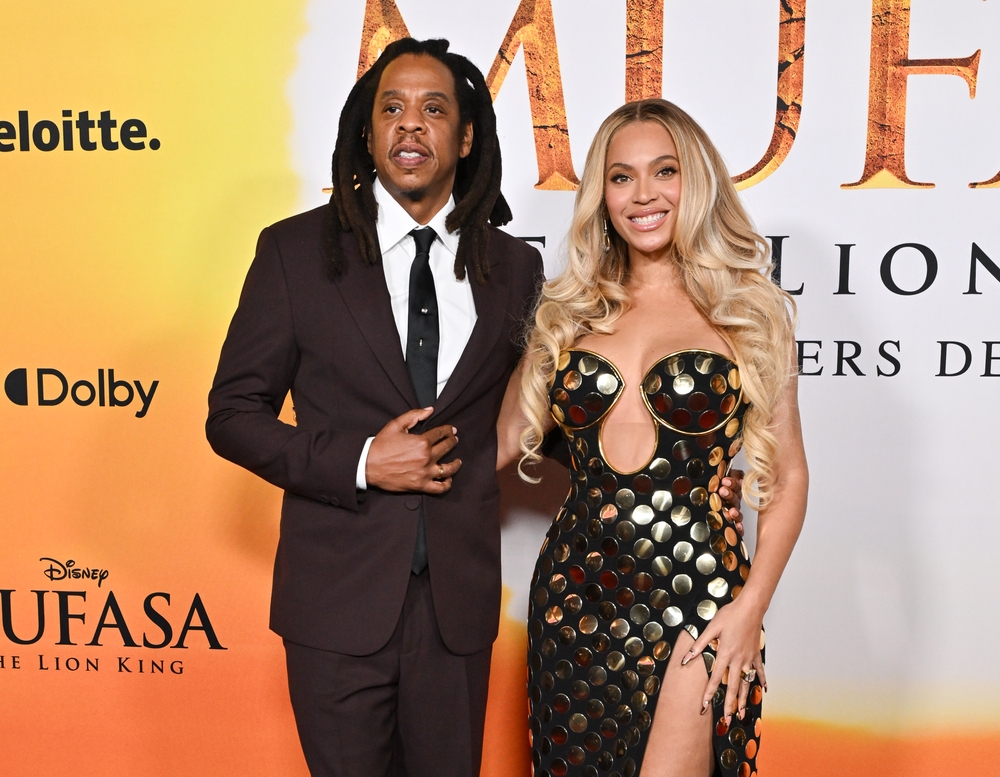
When it comes to power, influence, and serious wealth, no celebrity couple dominates quite like Beyoncé and Jay-Z. In 2025, they’ve officially claimed the top spot on the richest celebrity couple list, with a combined net worth estimated at over $3 billion. But this isn’t just about music royalties or flashy tours — it’s about smart investments, brand ownership, and long-term vision. For readers navigating their own financial journeys, their story offers more than entertainment — it’s a masterclass in wealth-building. Let’s break down how “The Carters” made it to the top and what they’ve done with their fortune.

Music Was Just the Beginning

Beyoncé and Jay-Z both started as music icons, but they didn’t stop there. Beyoncé’s Cowboy Carter Tour shattered records in 2025, pulling in hundreds of millions globally. Jay-Z, meanwhile, has long been known as a business mogul, with Roc Nation and Tidal under his belt. Their combined music catalogs alone are worth hundreds of millions, thanks to licensing, streaming, and publishing rights. But what sets them apart is how they used music as a launchpad — not the endgame.

Real Estate That Rivals Royalty

The Carters have built a real estate portfolio that spans coast to coast. They own a $200 million Malibu compound, one of the most expensive homes ever purchased in California. Add to that luxury properties in New York, the Hamptons, and New Orleans, and you’ve got a real estate empire that appreciates while they sleep. These aren’t just homes — they’re strategic assets in high-growth markets. Real estate has become a cornerstone of their long-term wealth strategy.

Billion-Dollar Brand Moves

Beyoncé’s Ivy Park and Jay-Z’s Armand de Brignac champagne aren’t just vanity projects — they’re serious revenue generators. Jay-Z sold a 50% stake in his champagne brand to LVMH, reportedly valuing the business at over $600 million. Beyoncé’s fashion and fragrance lines continue to expand globally, with recent licensing deals boosting her brand’s reach. These ventures prove that owning the brand — not just endorsing it — is where the real money lies. Their entrepreneurial instincts have paid off in spades.

Equity Over Endorsements

Unlike many celebrities who rely on endorsement deals, Beyoncé and Jay-Z often take equity instead. Jay-Z’s early investment in Uber turned a few million into tens of millions. Beyoncé reportedly took equity in Uber for a private performance — a move that paid off handsomely. They’ve also invested in companies like SpaceX, Sweetgreen, and Rihanna’s Fenty Beauty. This strategy shows a deep understanding of long-term value creation over short-term cash grabs.

Philanthropy With Purpose

Their wealth isn’t just about accumulation — it’s also about impact. Through the Shawn Carter Foundation and BeyGOOD, they’ve funded scholarships, disaster relief, and small business grants. Beyoncé’s 2025 initiative to support Black-owned businesses during her tour was widely praised. Jay-Z’s criminal justice reform work continues to influence policy and public awareness. Their giving is strategic, aligned with their values, and designed to create lasting change.

Family as a Financial Legacy

The Carters aren’t just building wealth for themselves — they’re creating a legacy. Their children, Blue Ivy, Rumi, and Sir, are already being positioned for future success. Blue Ivy has Grammy credits and modeling contracts, while the twins are reportedly involved in early creative projects. Estate planning, trust funds, and business education are likely part of the picture. It’s a reminder that true wealth includes preparing the next generation to thrive.

Privacy, Power, and Control

One of the smartest moves Beyoncé and Jay-Z have made is maintaining control over their narrative. They rarely give interviews, release content on their own terms, and own the platforms they use. This control extends to their business dealings, where they often retain majority ownership. In a world where oversharing can dilute brand value, their discretion has become a strategic asset. Power couples take note: privacy can be profitable.

Lessons for Everyday Investors

While most of us won’t headline stadium tours, there are takeaways here for anyone building wealth. Diversify your income, invest in appreciating assets, and think long-term. Don’t just consume — create. And when possible, choose equity over one-time payouts. Beyoncé and Jay-Z’s journey proves that financial freedom is built on ownership, strategy, and vision.

In a time when economic uncertainty is the norm, Beyoncé and Jay-Z’s rise to the top of the rich couple ranking is more than celebrity gossip — it’s a blueprint. They’ve shown that with talent, discipline, and smart financial moves, it’s possible to build an empire that lasts. Their story isn’t just about luxury — it’s about leverage.

What do you think is the smartest financial move Beyoncé and Jay-Z have made? Share your thoughts in the comments!

What to Read Next

The Most-Married Stars in Hollywood: And What They Gained From The Split

8 Famous Women Everyone Still Swears Married For Money

Couple Fortune Exposed: How Two Influencers Quietly Built a £300 M Empire While You Watched

Did You Know That These Are The 10 Richest Couples in Hollywood?

Here’s The Net Worth Of The First Couple From ‘Love Is Blind’

7 Musicians Who Lost Everything—Then Made It Back Again

Music history is full of artists who hit rock bottom only to rise again, often stronger and wiser. These seven musicians faced personal, financial, or professional collapse—and bounced back in inspiring ways. Their stories show that setbacks aren’t the end of the song but sometimes the start of a comeback hit. By exploring how they regained stability and fame, these stories offer hope and practical lessons for anyone facing setbacks. Let’s dive into 7 musicians who lost everything—and found their way back again.

1. Kevin Jonas – Financial Freefall to Family Focus

musicians comebacks - Kevin Jonas - First We Feast
Image Source: YouTube/First We Feast

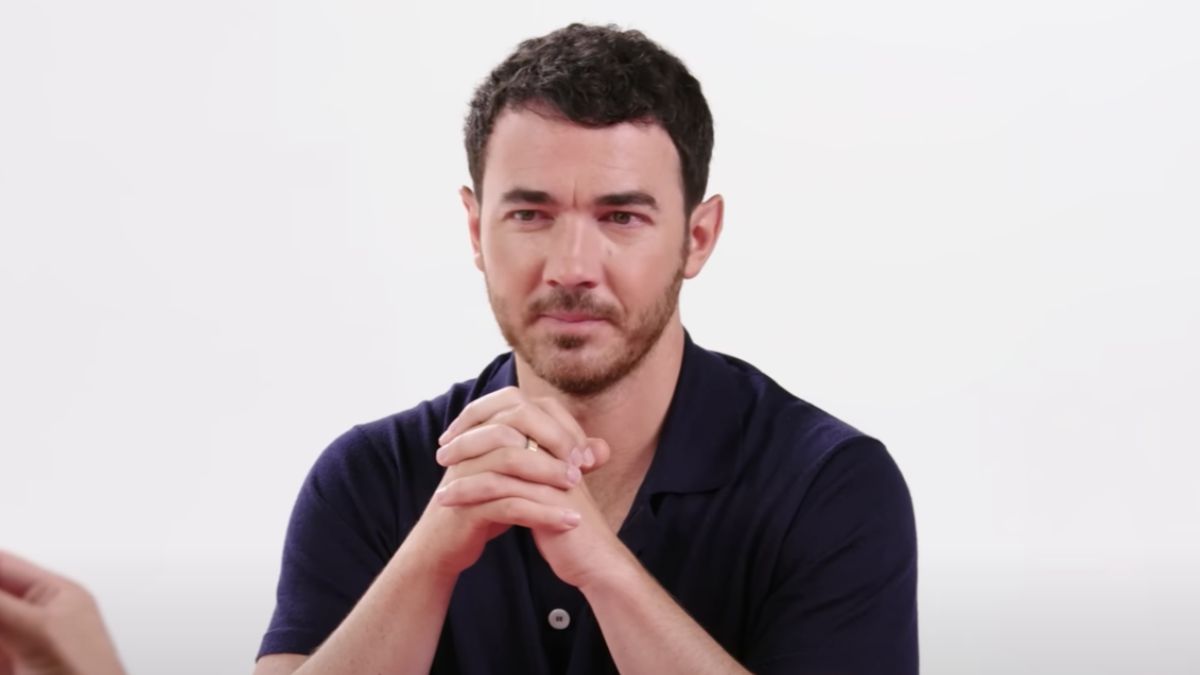
Kevin Jonas, of the famed Jonas Brothers, faced a financial wipeout after a failed property deal erased 90% of his fortune. The losses pushed him into an unexpected phase of life where music took a back seat. Instead, he rebranded himself as a husband and father, embracing reality TV and entrepreneurial ventures with grounded purpose. His regained stability came from shifting priorities, proving that redefining success can be just as valuable as financial recovery. Kevin’s story is a reminder that the biggest setbacks often lead to richer, more balanced comebacks.

2. Jewel – Homeless to Hitmaker and Author

musician comebacks - Jewel - The Howard Stern Show
Image Source: YouTube/The Howard Stern Show

Singer-songwriter Jewel’s journey started with hardship: she emancipated herself as a teen after homelessness and years of mismanaged finances by her mother. Her resilience and raw songwriting talent landed her a record deal and stardom. Even when facing financial mistakes, she pivoted, diversified her career, and turned her story into a memoir, Never Broken. Her evolution reminds us that financial recovery often starts with self-awareness and creative reinvention.

3. Robert Finley – Blues Revival After Years in the Shadows

musician comebacks - Robert Finley - Talent Recap
Image Source: YouTube/Talent Recap

Robert Finley spent decades performing in local venues but never achieved mainstream success—until 2016, when he finally released his debut album at age 62. The delayed breakthrough led to critical acclaim and renewed momentum. His comeback challenges the notion that it’s ever too late to embrace opportunity. Finley’s story underscores that timing isn’t everything; persistence and preparation are.

4. Joni Mitchell – Healing Through Harmonics

musician comebacks - Joni Mitchell - CBC News The National
Image Source: YouTube/CBC News The National

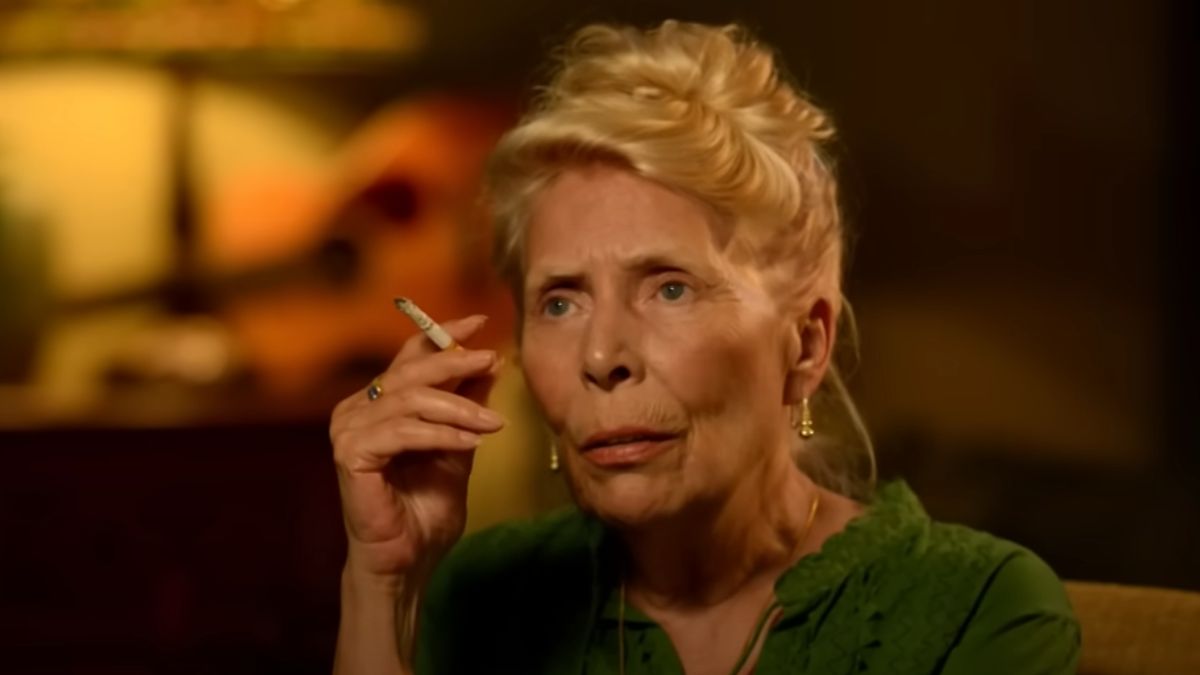
Thousands of fans were stunned when Joni Mitchell, a legendary singer-songwriter, withdrew from public life after a brain aneurysm in 2015. But in a powerful revival, she returned to the stage for major shows at the Hollywood Bowl, thanks to intimate “Joni Jams” hosted by Brandi Carlile. Her comeback wasn’t just physical—it was emotional and creative, proving that healing can lead to art’s triumphant resurgence.

5. Angela Bofill – Finding a New Voice After Losing Hers

Angela Bofill
By <a class="external text" href="https://www.flickr.com/people/36277035@N06" rel="nofollow">John Mathew Smith & www.celebrity-photos.com</a> from Laurel Maryland, USA – <a class="external text" href="https://www.flickr.com/photos/kingkongphoto/45690112685/" rel="nofollow">Angela Bofill</a>, <a title="Creative Commons Attribution-Share Alike 2.0" href="https://creativecommons.org/licenses/by-sa/2.0">CC BY-SA 2.0</a>, <a href="https://commons.wikimedia.org/w/index.php?curid=75599238">Link</a>

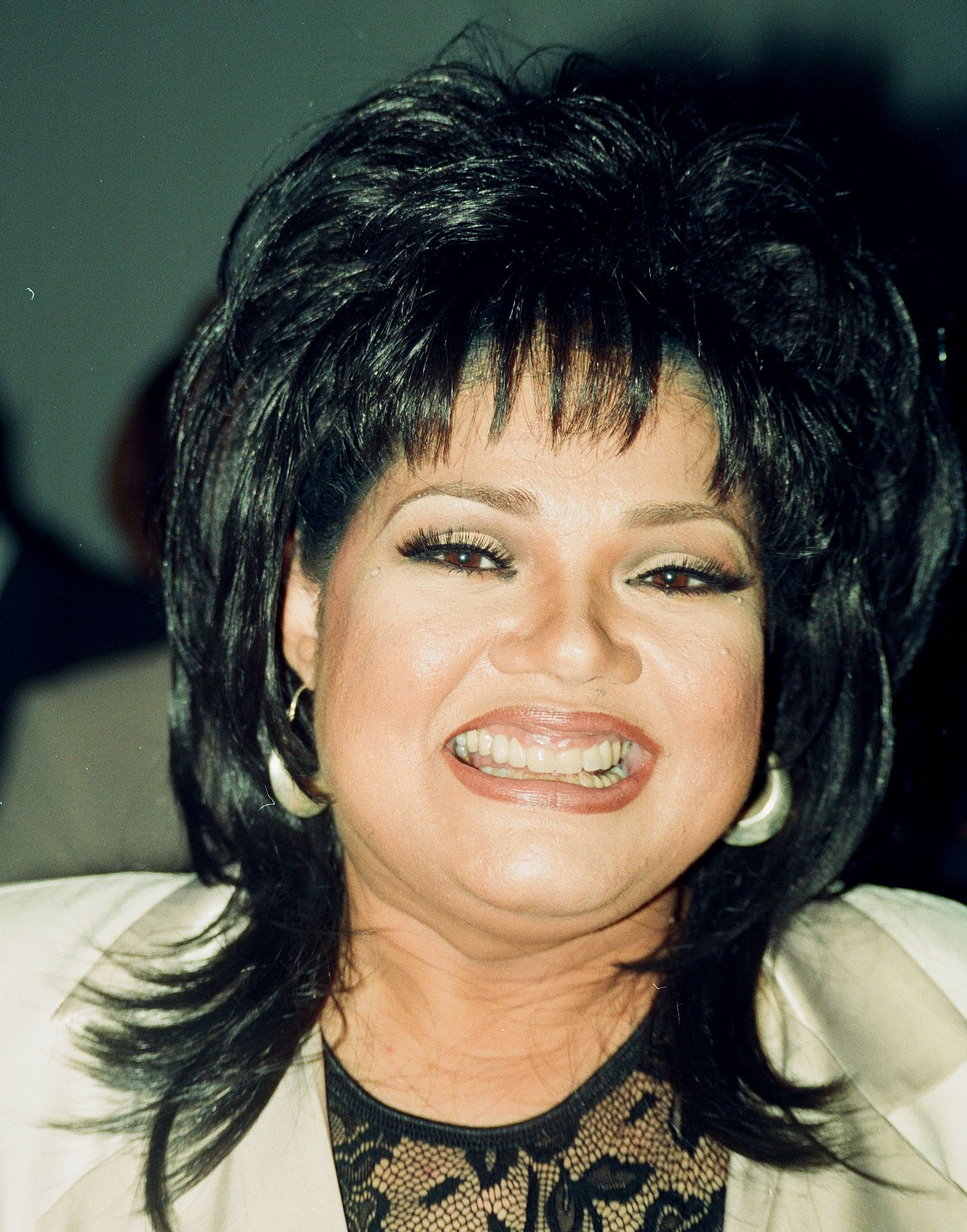
Soul and R&B singer Angela Bofill lost her iconic voice to strokes in the mid-2000s. Though she couldn’t sing again, she returned with The Angela Bofill Experience, a live show where others perform her songs while she shares stories and humor from a chair. Her creative response exemplified resilience by transforming loss into an invitation for connection—not through sound, but soul.

6. Noname – Redefining Success Beyond the Spotlight

musician comebacks - Noname - The Daily Show
Image Source: YouTube/The Daily Show

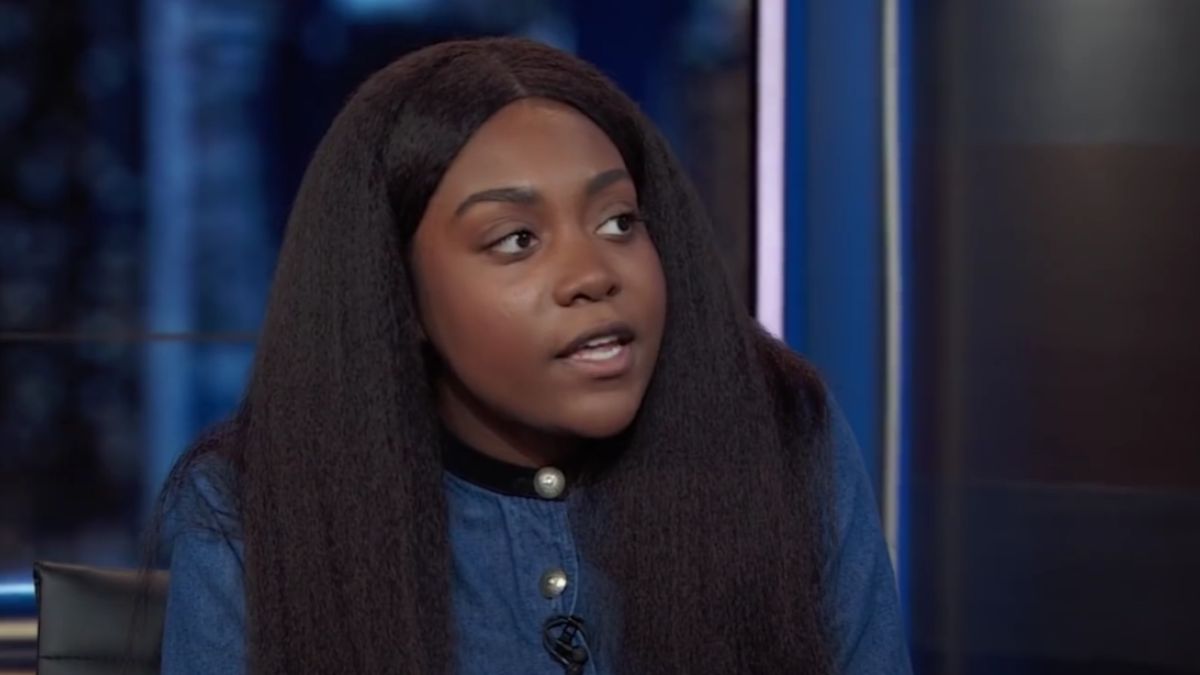
Rapper Noname (Fatimah Nyeema Warner) stepped away from music after early acclaim, turned toward activism, and founded a community-driven book club. Yet in 2023, she returned to the stage with Coachella performances to fund her own free concerts. Her return wasn’t about chart-topping—it was about aligning art with values. Noname’s path highlights that comebacks can be self-directed and community-centered, not merely commercial.

7. Jourdan Blue – From Homeless and Overdosing to Golden Buzzer Glory

musician comebacks - Jourdan Blue - America's Got Talent
Image Source: YouTube/America’s Got Talent

Jourdan Blue’s rise is a story of near destruction turned into triumph. After homelessness and a near-fatal overdose, he turned his life around through street performances and TikTok streams, gaining virality and a Golden Buzzer on America’s Got Talent. His journey is a testament to how vulnerability, grit, and modern tools can fuel an extraordinary comeback, whether on the street or the stage.

After the Fall, the Backbeat Remains

Each comeback story here shares one foundational truth: loss doesn’t define the artist—but response does. Musicians like Kevin Jonas, Jewel, Robert Finley, Joni Mitchell, Angela Bofill, Noname, and Jourdan Blue found redemption in adaptability, honesty, and creative reinvention. When everything seems gone, they remind us that authenticity, resilience, and community can restore not just careers—but purpose.

Which comeback story inspires you most, and why? Share your thoughts in the comments below!

You May Also Like…