Bad Bunny vs. Kid Rock: The Super Bowl Halftime Ratings Shock Everyone

Super Bowl ratings Bad Bunny
Image Source: Shutterstock

The Super Bowl halftime show has always been a cultural lightning rod, but this year’s matchup between Bad Bunny and Kid Rock sent the conversation into overdrive. Fans expected a predictable ratings win for one performer, but the Super Bowl ratings told a very different story. What unfolded wasn’t just a clash of musical styles—it was a revealing snapshot of America’s shifting entertainment preferences. For readers trying to understand how these trends affect advertising dollars, cultural influence, and even future halftime bookings, the numbers offer surprising insight. And whether you tuned in for the music, the spectacle, or the drama, the fallout is impossible to ignore.

The Ratings Gap That No One Saw Coming

The initial Super Bowl ratings stunned analysts who predicted a runaway victory for Bad Bunny based on his global streaming dominance. According to Nielsen data, halftime viewership surged overall, but the split between the two artists was far closer than expected, defying early projections from outlets like Billboard.

Many assumed Kid Rock’s appeal was too niche to compete with Bad Bunny’s international fanbase, yet the numbers showed a strong turnout from older and rural demographics. This unexpected balance highlights how fragmented American entertainment consumption has become. It also proves that cultural assumptions don’t always translate into real‑time viewership behavior.

Why Bad Bunny’s Global Reach Didn’t Guarantee a Blowout

Bad Bunny entered the event as one of the most-streamed artists in the world, with Spotify confirming his multi‑year status as a global top performer. Despite this, the Super Bowl ratings revealed that international popularity doesn’t always convert into domestic dominance. His performance drew massive engagement online, especially on TikTok and Instagram, but live TV viewership skewed differently.

Younger audiences were more likely to watch highlights later rather than tune in live, diluting his real‑time numbers. This shift underscores how generational viewing habits are reshaping what “success” looks like for televised events.

Kid Rock’s Unexpected Strength With Key Demographics

Super Bowl ratings Kid Rock
Image Source: Shutterstock

Kid Rock’s performance surprised analysts by pulling in strong numbers from viewers aged 45 and older, a demographic that still watches live television at higher rates. Reports from The Hollywood Reporter note that older audiences remain the backbone of traditional broadcast ratings.

His nostalgic, rock‑driven set resonated with long‑time NFL viewers who prefer classic halftime acts over modern pop stars. The result was a ratings performance that exceeded expectations and reshaped the narrative around the night. During the live event, the video peaked at 6.1 million concurrent viewers streaming the TPUSA halftime.

That said, it will still likely only be a fraction of what Bad Bunny’s performance brought in when it comes to viewers. The Super Bowl brought in a record-setting 123.4 million viewers on CBS. So, Bad Bunny’s show likely brought in 100 million+ viewers.

Social Media Engagement Told a Completely Different Story

While Kid Rock held his own on television, Bad Bunny dominated the digital arena by a landslide. Early analytics from platforms like X (formerly Twitter) and TikTok showed millions of clips, reactions, and remixes circulating within minutes of his performance.

This created a split reality: Kid Rock won older viewers, while Bad Bunny captured the internet.

The Super Bowl ratings only reflect part of the picture, and digital engagement now plays a major role in determining cultural impact. Brands and advertisers increasingly prioritize online buzz, meaning Bad Bunny’s viral presence may ultimately carry more long‑term value. In fact, the views continue climbing. The NFL’s official YouTube channel is showing that the performance had 36 million views (and growing) at the time of this writing.

A New Era of Halftime Strategy Is Already Taking Shape

The Bad Bunny vs. Kid Rock showdown didn’t just spark debate—it exposed the evolving dynamics of American entertainment consumption. The Super Bowl ratings proved that no single artist can dominate every demographic, and that the NFL must now balance nostalgia with global appeal. As streaming habits shift and audiences fragment, halftime shows will continue to reflect broader cultural divides. This year’s surprising numbers may be the blueprint for future programming decisions. And if the NFL is paying attention, the next halftime show could look very different from anything we’ve seen before.

Which performance did you think deserved the bigger spotlight—Bad Bunny or Kid Rock? Share your take in the comments.

What to Read Next

Bad Bunny’s Net Worth: What He Spends Millions On Might Surprise You

Daddy Yankee’s Reign of Success: Exploring his Impressive Net Worth in 2023

7 Celebrities Who Married Their High School Sweethearts (And Were Better For It)

10 On-Screen Deaths That Broke Us More Than Real Life

Pokimane’s Streaming Millionaire Move: The Hidden Deals That Transformed a Gamer into a Major Businesswoman

10 On-Screen Deaths That Broke Us More Than Real Life

fictional deaths
Image Source: Shutterstock

Some fictional deaths hit harder than real-life losses. Maybe it’s because we spend hours, even years, with these characters—watching them grow, struggle, and triumph. When they die, it feels personal, like losing a friend. These moments stick with us, haunting our memories and sparking emotional debates online. Here are ten on-screen deaths that shattered our hearts more than we ever expected.

1. Mufasa – The Lion King

Mufasa’s death is the gold standard of emotional devastation in animation. Watching Simba nuzzle his father’s lifeless body while calling for help is a gut punch that never gets easier. The betrayal by Scar, the stampede, and the haunting music all combine to create a scene that’s seared into our collective memory. For many, this was their first experience with grief, delivered by a Disney movie no less. It’s no wonder Mufasa’s fall still brings tears decades later.

2. Ned Stark – Game of Thrones

Ned Stark’s death was the moment we realized Game of Thrones played by its own brutal rules. Just when we thought honor and integrity would win, the blade fell. It wasn’t just shocking—it was a betrayal of everything we thought we knew about storytelling. His execution set the tone for the chaos that followed and left fans reeling. Ned’s death was a masterclass in subverting expectations and breaking hearts.

3. Ellie – Up

Ellie’s death happens in the first ten minutes of Up, yet it’s one of the most emotionally charged sequences in animated film history. The montage of her life with Carl is a beautiful, wordless tribute to love and loss. By the time she passes away, we’re already invested in their story. Her absence becomes the emotional engine of the entire film. It’s a reminder that even the shortest scenes can leave the deepest scars.

4. Tony Stark – Avengers: Endgame

Tony Stark’s sacrifice was the ultimate payoff to over a decade of Marvel storytelling. His final words—”I am Iron Man”—were both triumphant and tragic. Watching Peter Parker and Pepper Potts say goodbye was almost too much to bear. Fans knew someone had to go, but losing Tony felt like losing a real-life hero. His death marked the end of an era and left a void in the Marvel Cinematic Universe.

5. Beth March – Little Women

Beth’s quiet, graceful death in Little Women is a slow burn of sorrow. She’s the heart of the March family, and her loss feels like the unraveling of innocence. Whether it’s the 1994 or 2019 adaptation, Beth’s passing is portrayed with such tenderness it’s impossible not to cry. Her death isn’t dramatic—it’s devastating in its simplicity. It reminds us that not all heartbreak comes with fanfare.

6. Jack Dawson – Titanic

Jack’s death in Titanic sparked debates, memes, and a million tears. Could he have fit on the door? Maybe. But what really broke us was his unwavering love for Rose and his calm acceptance of death. As he sinks into the icy water, we’re left with a sense of helplessness. Jack’s death turned a historical tragedy into a personal one.

7. Rue – The Hunger Games

Rue’s death was a turning point in The Hunger Games, both for Katniss and the audience. Her innocence and bravery made her an instant fan favorite. When she was killed, it wasn’t just sad—it was infuriating. Katniss’s tribute with the flowers and the salute to District 11 made it a moment of quiet rebellion. Rue’s death reminded us of the cost of war and the power of empathy.

8. Bing Bong – Inside Out

Bing Bong’s sacrifice in Inside Out is one of the most unexpectedly emotional moments in Pixar history. As Joy escapes the Memory Dump, Bing Bong fades away with a smile, saying, “Take her to the moon for me.” It’s a moment that hits adults even harder than kids. He represents childhood innocence and imagination, and his loss is a metaphor for growing up. Bing Bong’s goodbye is pure emotional devastation.

9. Glenn Rhee – The Walking Dead

Glenn’s death was brutal, graphic, and emotionally scarring. Fans had grown to love his loyalty, humor, and heart over several seasons. His death at the hands of Negan was not just shocking—it was traumatic. The rawness of the scene, combined with Maggie’s reaction, made it unforgettable. Glenn’s loss marked a dark turning point in the series.

10. Severus Snape – Harry Potter and the Deathly Hallows: Part 2

Snape’s death revealed the depth of his sacrifice and the truth behind his actions. For years, he was the character we loved to hate—until we saw his memories. His love for Lily Potter and his protection of Harry reframed everything. His final moments, asking Harry to look at him, were haunting. Snape’s death turned him from villain to tragic hero in a single scene.

Why These Deaths Still Haunt Us

What makes these fictional deaths so powerful is how deeply they connect to our own emotions. They reflect real-life grief, sacrifice, and love in ways that feel raw and relatable. These characters weren’t just pixels or actors—they were companions in our emotional journeys. Their deaths remind us of our own vulnerabilities and the power of storytelling. Sometimes, fiction doesn’t just imitate life—it breaks us more than it.

What on-screen death hit you the hardest? Share your thoughts in the comments—we’d love to hear your story.

What to Read Next

Top 5 American Women Ranked Based On Their Net Worth (#1 Will Surprise You)

Rich Couple Ranking: The Celebrity Duo Now Topping the Richest List — What They Own and How They Did It

J.K. Rowling’s £945 M Net Worth: What Her Legacy Franchise Still Earns — and Why She’s Not a Billionaire Yet

11 Celebrities Who Never Wasted Their Money on Plastic Surgery

Paris Jackson’s $65M Windfall: How a Legal Filing Exposed the Hidden Wealth Behind a Famous Legacy

10 Celebrities People Think Are Secretly Vampires

Some celebrities seem to defy time itself. While most of us battle wrinkles and graying hair, these stars appear frozen in their prime, leading fans to jokingly wonder if they’ve struck a deal with the supernatural. Whether it’s flawless skin, eternal youth, or a mysterious aura, these famous faces have sparked playful vampire rumors across the internet. Of course, it’s all in good fun, but the fascination with their agelessness is very real. Let’s sink our teeth into 10 celebrities people think might just be secretly immortal.

1. Keanu Reeves

ageless celebrities - Keanu Reeves
Image Source: Shutterstock

Keanu Reeves has looked nearly identical since his breakout role in the late ’80s. Fans have pointed out his uncanny resemblance to historical figures, fueling vampire theories online. His calm demeanor and private lifestyle only add to the mystique. Despite being in his 60s, he still performs action stunts like a man half his age. If anyone’s hiding a centuries-old secret, Reeves is a top contender.

2. Pharrell Williams

ageless celebrities - Pharrell Williams
Image Source: Shutterstock

Pharrell’s skin is so flawless and youthful that even dermatologists have expressed curiosity. He’s repeatedly denied using any special treatments, claiming it’s all about washing his face with cold water. But fans aren’t convinced. His appearance hasn’t changed in over two decades. His timeless look and smooth energy make him a frequent subject of vampire jokes. If there’s a fountain of youth, Pharrell might be bathing in it.

3. Jared Leto

ageless celebrities - Jared Leto
Image Source: Shutterstock

Jared Leto’s ethereal beauty and ageless skin have earned him a reputation as Hollywood’s resident vampire. He’s often seen in gothic fashion and has even played vampire-like roles, adding fuel to the fire. At over 50, he still looks like he’s in his early 30s. His mysterious persona and intense gaze only deepen the intrigue. Fans say he doesn’t age… he just evolves.

4. Gwen Stefani

ageless celebrities - Gwen Stefani
Image Source: Shutterstock

Gwen Stefani has maintained her signature look for decades, barely aging since her No Doubt days. Her porcelain skin and youthful energy defy the passage of time. She credits clean living and skincare, but fans suspect something more supernatural. Her timeless beauty and bold style make her a standout in the vampire rumor mill. If vampires wore red lipstick, Gwen would lead the coven.

5. John Stamos

ageless celebrities - John Stamos
Image Source: Shutterstock

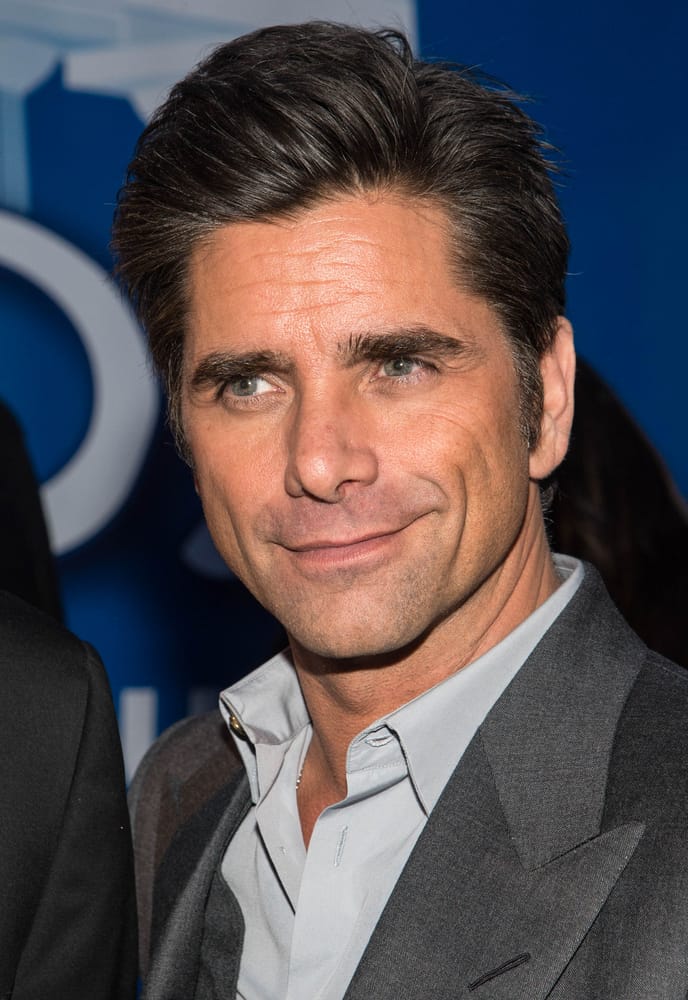
John Stamos has been charming audiences since the ’80s, and somehow, he still looks exactly the same. His youthful glow and perfect hairline have sparked countless vampire memes. Even in recent interviews, people marvel at his age-defying appearance. He jokes about it, but fans aren’t entirely convinced it’s just good genes. If vampires had sitcoms, Stamos would be their star.

6. Jennifer Lopez

ageless celebrities - Jennifer Lopez
Image Source: Shutterstock

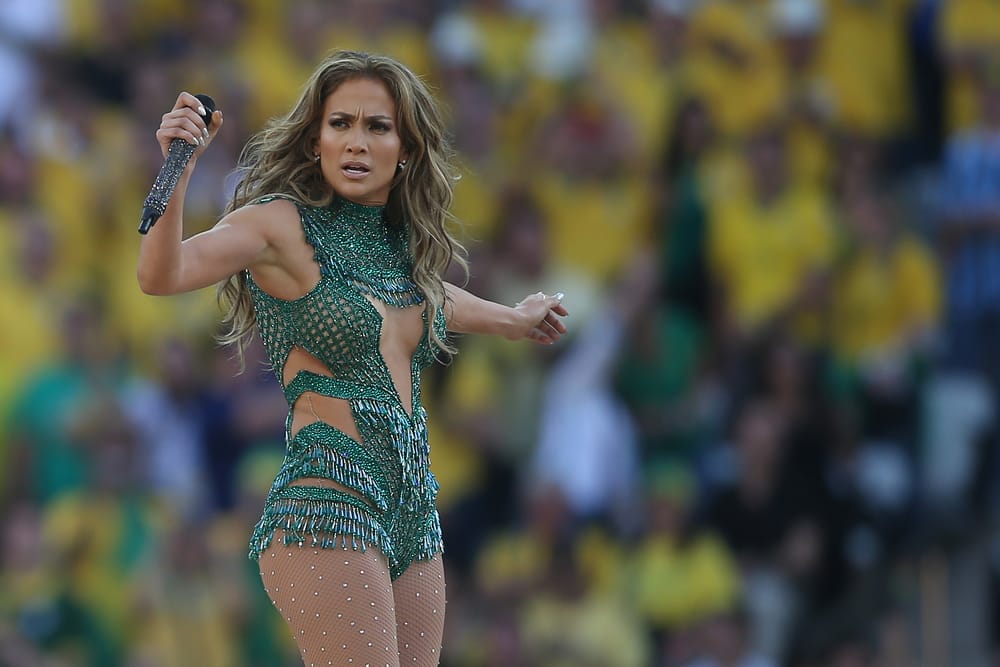
J.Lo’s beauty and energy seem to increase with age, not fade. From her glowing skin to her fierce performances, she’s a walking contradiction to the aging process. She’s in her 50s but looks like she’s barely hit 30. Her wellness routines are legendary, but fans still whisper about vampire magic. If eternal youth had a face, it might be hers.

7. Paul Rudd

ageless celebrities - Paul Rudd
Image Source: Shutterstock

Paul Rudd’s boyish charm has remained untouched by time. He’s been playing lovable characters for decades, and somehow, he still looks like he did in “Clueless.” Fans often joke that he’s immortal, and even he’s leaned into the joke during interviews. His low-key lifestyle and humble attitude only add to the mystery. If vampires could be funny and wholesome, Rudd would be their king.

8. Halle Berry

ageless celebrities - Halle Berry
Image Source: Shutterstock

Halle Berry’s radiant skin and toned physique make her look decades younger than her actual age. She’s open about her fitness and skincare routines, but fans still wonder how she does it. Her elegance and poise give her an almost otherworldly presence. She’s been a beauty icon for years, and her glow hasn’t dimmed. If vampires were glam goddesses, Halle would reign supreme.

9. Charlize Theron

ageless celebrities - Charlize Theron
Image Source: Shutterstock

Charlize Theron’s icy beauty and timeless features have earned her a spot on many “ageless celebrity” lists. She’s played immortal characters on screen, which only fuels the vampire speculation. Her skin, posture, and presence seem untouched by time. Fans admire her grace and wonder if she’s hiding a supernatural secret. If elegance had fangs, Charlize would wear them well.

10. Adam Levine

ageless celebrities - Adam Levine
Image Source: Shutterstock

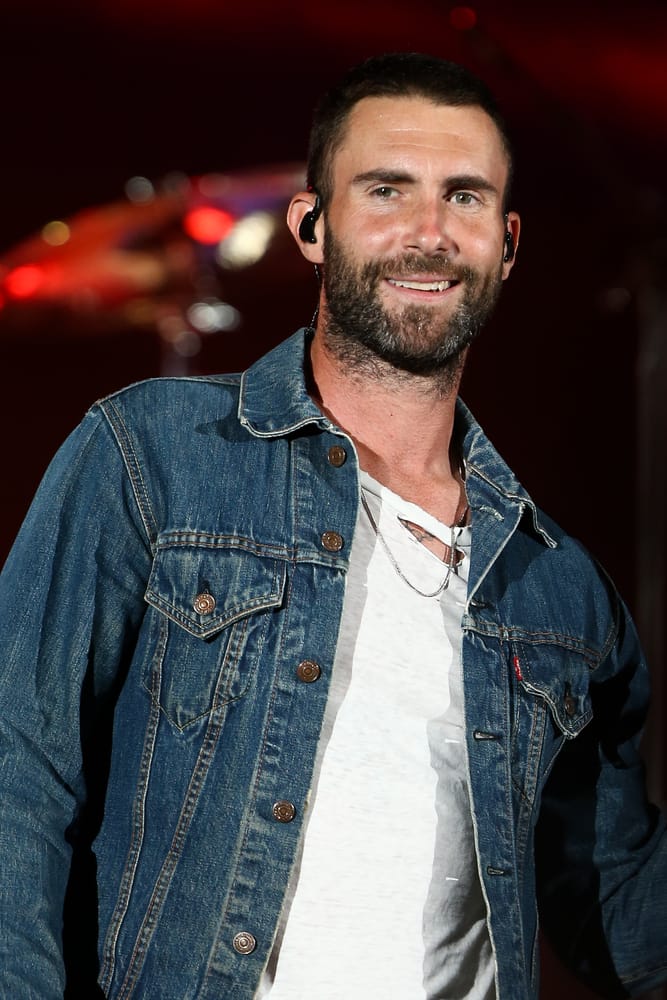
Adam Levine’s youthful look and rockstar energy haven’t faded, even as he enters his mid-40s. His smooth skin and sharp jawline make fans question whether he’s aging at all. He’s often seen in edgy, vampire-esque fashion, adding to the mystique. His charisma and cool demeanor make him a natural fit for vampire rumors. If vampires had tattoos and guitars, Adam would be their frontman.

Immortality or Just Great Genes?

While it’s fun to imagine these celebrities as vampires, the truth is likely a mix of genetics, lifestyle, and top-tier skincare. Still, their agelessness keeps fans guessing (and joking) about what’s really going on behind the scenes. Whether it’s vampire lore or just Hollywood magic, these stars continue to fascinate us. They remind us that aging gracefully is possible, and maybe even a little mysterious. So next time you see one of them looking flawless, just smile and wonder: vampire or not?

Do you know a celebrity who seems suspiciously ageless? Drop their name in the comments. 

What to Read Next

10 Songs That Made Their Writers Millionaires

Most people recognize the singers behind the world’s biggest hits, but few realize that the real money often flows to the writers. A well-written song can outlive its performer, generating royalties from radio play, movies, ads, and streaming for decades. Many of these writers never step into the spotlight, yet they quietly build empires from their work. Whether through smart licensing or pure creativity, these are the songs that made their writers millionaires. Let’s look at the hidden success stories behind the music you know by heart.

1. “Yesterday” – The Beatles (Paul McCartney)

songs that made their writers millionaires - Paul McCartney
Image Source: Shutterstock

“Yesterday” isn’t just one of the most covered songs in history—it’s one of the most profitable. Written primarily by Paul McCartney, the ballad has earned millions in royalties since its 1965 release. Over 2,000 artists have recorded versions, keeping money flowing in from every corner of the globe. Its simplicity, emotional pull, and timeless melody turned it into a songwriter’s dream investment. McCartney still earns an annual income from the track nearly 60 years later.

2. “I Will Always Love You” – Dolly Parton

songs that made their writers millionaires - Dolly Parton
Image Source: Shutterstock

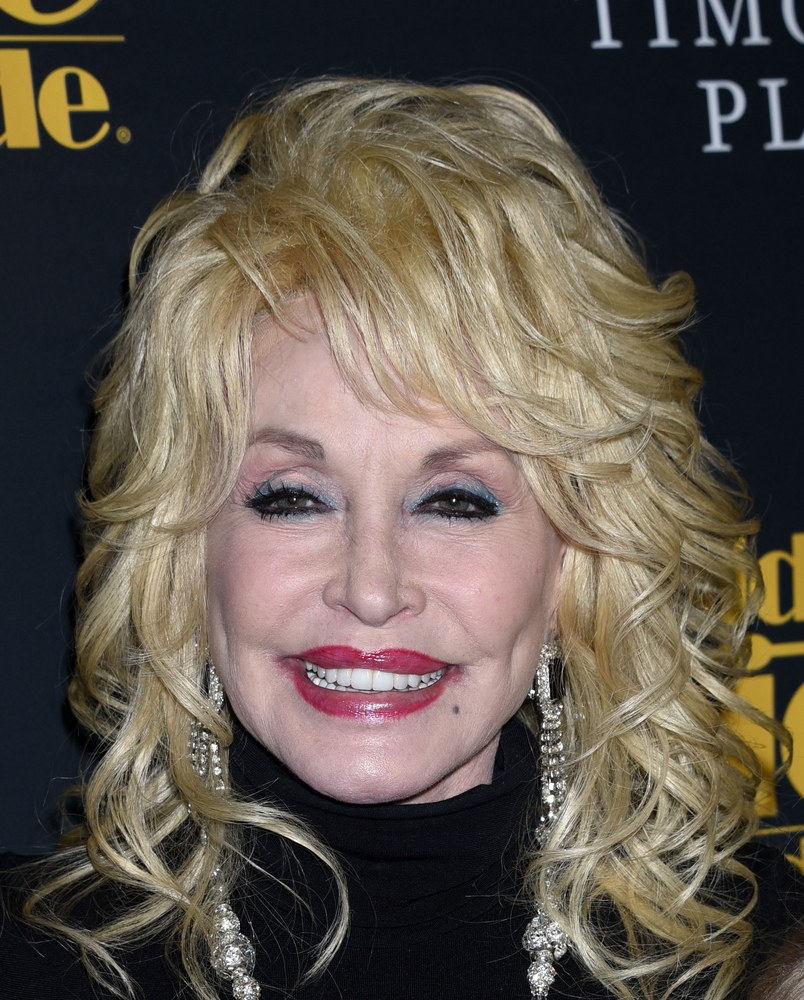
When Dolly Parton wrote “I Will Always Love You” in 1973, she had no idea it would make her a fortune—twice. The song first topped the country charts, then exploded again when Whitney Houston recorded it for The Bodyguard soundtrack. The track’s global success turned Parton into a multi-millionaire, especially since she owned 100% of the publishing rights. She’s famously said she “made enough money to buy Graceland.” It remains one of the clearest examples of songs that made their writers millionaires through ownership and patience.

3. “Happy Birthday to You” – Patty and Mildred Hill

Few songs have generated as much passive income as “Happy Birthday to You.” Written in the late 19th century by sisters Patty and Mildred Hill, the tune was originally meant for children’s classrooms. For decades, film and TV productions had to pay royalties every time it was used on screen. The song reportedly earned tens of millions before it was declared public domain in 2016. It’s proof that even the simplest songs can make their writers millionaires over time.

4. “Smells Like Teen Spirit” – Nirvana (Kurt Cobain and Bandmates)

songs that made their writers millionaires - Nirvana
Image Source: Shutterstock

“Smells Like Teen Spirit” turned Nirvana—and grunge itself—into a cultural phenomenon. Kurt Cobain, Krist Novoselic, and Dave Grohl all earned huge royalties from this anthem of rebellion. Its inclusion in movies, commercials, and streaming platforms continues to generate income decades after its release. The song’s publishing rights have been valued in the tens of millions, cementing Cobain’s legacy not just as an artist but as a wealthy songwriter. It’s one of the most lucrative songs ever to emerge from the alternative rock scene.

5. “White Christmas” – Irving Berlin

Irving Berlin’s “White Christmas” might be the single most successful holiday song ever written. First performed by Bing Crosby in 1942, it’s estimated to have sold more than 50 million copies worldwide. Every December, radio plays and movie features reignite royalties, ensuring Berlin’s estate continues to earn millions. The song’s sentimental tone and universal appeal make it a timeless earner. It’s the ultimate example of how seasonal songs that made their writers millionaires never go out of style.

6. “Imagine” – John Lennon

John Lennon’s “Imagine” has become more than a song—it’s a global anthem for peace. The track’s publishing royalties and sync deals have made millions for Lennon’s estate. It’s been featured in films, documentaries, and countless charity events since its 1971 release. Beyond its financial success, “Imagine” gave Lennon creative immortality, something money can’t buy. Few songs blend message and profit so perfectly.

7. “Every Breath You Take” – The Police (Sting)

Sting struck gold with “Every Breath You Take,” a song often misinterpreted as romantic but actually about obsession. Released in 1983, it remains one of the most played songs in radio history. Its biggest financial boost came when Puff Daddy sampled it for “I’ll Be Missing You” in 1997—without prior clearance. After the legal dust had settled, Sting began earning an estimated $2,000 a day in royalties. It’s one of the most lucrative songs that made its writer a millionaire many times over.

8. “All I Want for Christmas Is You” – Mariah Carey and Walter Afanasieff

songs that made their writers millionaires - Mariah Carey
Image Source: Shutterstock

Mariah Carey co-wrote her Christmas classic in under an hour, but its earnings have lasted for decades. “All I Want for Christmas Is You” generates over $3 million per year in royalties, especially during the holiday season. It’s been featured in movies, commercials, and countless playlists worldwide. Both Carey and her co-writer Walter Afanasieff have become multi-millionaires thanks to its enduring popularity. When it comes to seasonal goldmines, this one jingles all the way to the bank.

9. “Shape of You” – Ed Sheeran

songs that made their writers millionaires - Ed Sheeran
Image Source: Shutterstock

Released in 2017, Ed Sheeran’s “Shape of You” became one of Spotify’s most-streamed songs ever. Its catchy hook and universal appeal made it a global hit, generating millions in streaming and publishing royalties. Sheeran’s decision to co-write and retain publishing rights ensured he reaped the rewards directly. The song’s massive digital footprint turned him into one of the youngest millionaire songwriters in history. It proves that in the streaming era, viral success still pays handsomely.

10. “Billie Jean” – Michael Jackson

“Billie Jean” didn’t just define pop music—it changed its economics. Written and composed by Michael Jackson, the song sold over 10 million copies and brought in millions more through licensing and royalties. Jackson’s shrewd business sense led him to acquire significant music publishing rights, multiplying his earnings. Even decades later, the song continues to generate steady income for his estate. It stands among the ultimate songs that made their writers millionaires through both talent and strategy.

The Hidden Fortune Behind the Music

Behind every unforgettable hit lies a story of timing, talent, and business savvy. These songs didn’t just make people dance—they built empires for their creators. Songwriting is one of the few crafts where one good idea can pay off for a lifetime. Whether it’s a Christmas jingle or a rock anthem, music continues to prove that creativity is one of the most profitable investments a person can make.

Which of these songs do you think deserves its millionaire status the most? Share your thoughts in the comments below.

What to Read Next