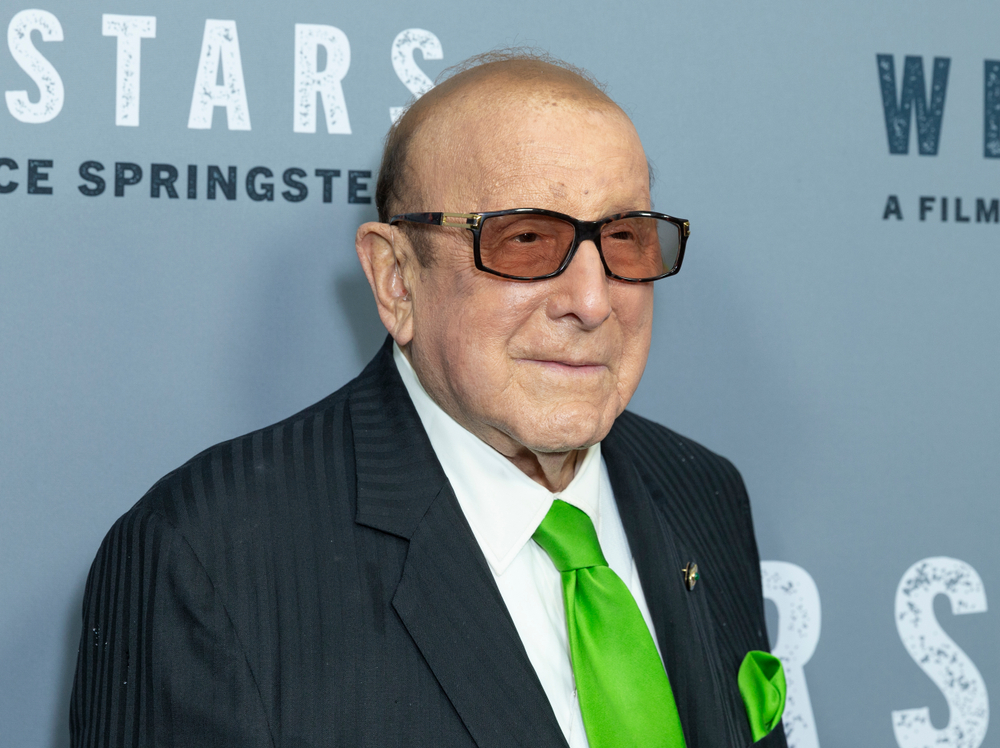
The music world lost one of its most influential figures this week when legendary record executive Clive Davis died at the age of 94. Known for discovering, mentoring, and shaping the careers of some of the biggest names in music history, Davis helped launch stars such as Whitney Houston, Alicia Keys, Bruce Springsteen, Santana, and Barry Manilow. His passing marks the end of an era for the recording industry, but it has also renewed interest in the extraordinary fortune he built over more than six decades in entertainment. For fans and investors alike, Clive Davis’s net worth offers a fascinating look at how one of music’s greatest executives turned talent discovery into a lasting financial empire.
Clive Davis Built a Career Unlike Any Other
Clive Davis began his professional life as a lawyer after graduating from Harvard Law School, before unexpectedly finding his way into the music business. He joined Columbia Records in the 1960s and quickly rose through the ranks, eventually becoming president of the label. During his tenure, he helped sign and develop artists including Janis Joplin, Santana, and Bruce Springsteen, establishing a reputation for having an exceptional ear for talent. Even after setbacks, including his departure from Columbia in the 1970s, Davis successfully reinvented himself by founding Arista Records. His ability to spot future stars became legendary and earned him the nickname “the man with the golden ear.” Sources: Reuters, The Guardian.
Whitney Houston Became His Most Famous Discovery
While Davis worked with countless artists, his relationship with Whitney Houston remains one of the most significant success stories in music history. He signed Houston to Arista Records after recognizing her extraordinary vocal talent at a young age and played a key role in shaping her career. Under his guidance, Houston became one of the best-selling recording artists of all time, generating hundreds of millions of dollars in album sales and concert revenue. Davis often described Houston as a once-in-a-generation talent, and the partnership became a defining chapter in both of their careers. Even decades later, many fans still associate Clive Davis’s name with Whitney Houston’s rise to global superstardom. Sources: Reuters, Pitchfork.
What Was Clive Davis’s Net Worth?
According to multiple celebrity wealth estimates published before his death, Clive Davis’s net worth was widely reported to be approximately $850 million. That fortune was accumulated through executive salaries, record label ownership interests, production credits, publishing rights, investments, and decades of profit participation in successful music ventures. Unlike many performers whose earnings fluctuate with touring schedules, Davis benefited from long-term ownership stakes and executive compensation tied to major industry successes. His work at Columbia Records, Arista Records, J Records, and later Sony Music helped create a steady stream of wealth throughout his career. While exact figures remain private, most financial analysts agree that he was one of the wealthiest music executives in history.
His Influence Extended Across Multiple Generations
One reason Clive Davis’s net worth grew so dramatically was his ability to stay relevant across generations of music fans. He helped guide rock acts in the 1960s and 1970s, embraced pop stars in the 1980s and 1990s, and continued working with modern artists well into the 2000s. Davis played an important role in the careers of Alicia Keys, Sean “Diddy” Combs, Kelly Clarkson, Jennifer Hudson, and many others. Few executives have successfully navigated so many shifts in musical tastes, technology, and consumer behavior. His adaptability allowed him to remain a powerful force in an industry known for rapid change. Sources: Reuters, The Guardian.
Awards, Recognition, and Lasting Financial Success
Throughout his career, Davis earned numerous honors that reflected both his artistic influence and business success. He won five Grammy Awards and was inducted into the Rock and Roll Hall of Fame in 2000, recognizing his impact on popular music. Beyond awards, he became known for his annual pre-Grammy gala, an event that brought together the industry’s biggest names. His memoir, “The Soundtrack of My Life,” provided additional insight into the business strategies and personal relationships that shaped his career. These accomplishments reinforced his status as both a cultural icon and a remarkably successful businessman. Sources: Reuters, The Guardian, Pitchfork.
The Financial Legacy He Leaves Behind
Clive Davis leaves behind far more than a large fortune. His influence can still be heard on radio stations, streaming playlists, and concert stages around the world because many of the artists he championed remain cultural icons today. The wealth he accumulated reflects decades of identifying talent before others recognized its potential, a skill that few executives have matched. His story also serves as a reminder that some of the most successful figures in entertainment are not necessarily performers but the visionary executives working behind the scenes. As tributes continue to pour in, his legacy as both a music industry giant and a financial success story appears certain to endure for generations. Sources: Reuters, Page Six.
Remembering the Man Who Changed Modern Music
The death of Clive Davis closes a remarkable chapter in entertainment history, but his influence will continue through the artists, recordings, and careers he helped create. From discovering Whitney Houston to mentoring generations of musicians, Davis shaped the soundtrack of millions of lives. His reported $850 million net worth reflects not only financial success but also the immense value of his contributions to the music business. Few executives have left such a lasting mark on both culture and commerce. His story remains one of the greatest examples of how vision, persistence, and an eye for talent can create an extraordinary legacy.
What is your favorite artist or song connected to Clive Davis’s legendary career? Share your thoughts in the comments below.
What to Read Next
What Happened to Matt Brown? Inside the Tragic Death of the Alaskan Bush People Star
How Kyle Richards Turned ‘The Agency’ Into a Key Part of Her $100M Fortune
Which Celebrity Has Had The Most Expensive Met Gala Dress in History?

Amanda Blankenship is the Chief Editor for District Media. She frequently writes for a handful of blogs and loves to share her own personal finance story with others. When she isn’t typing away at her desk, she enjoys spending time with her daughter, son, husband, and dog. During her free time, you’re likely to find her with her nose in a book, hiking, or playing RPG video games.