10 Musicians Who Never Toured—But Still Got Rich

When most people think of wealthy musicians, they imagine massive world tours, sold-out stadiums, and endless nights on the road. But not every successful artist built their fortune by touring. Some avoided the grueling travel schedules entirely, focusing instead on songwriting, studio work, licensing, or other revenue streams. These artists prove that the music industry offers multiple paths to financial success—and that fame doesn’t always require a concert ticket. Here are 10 musicians who never toured, but still managed to get rich.

1. Enya
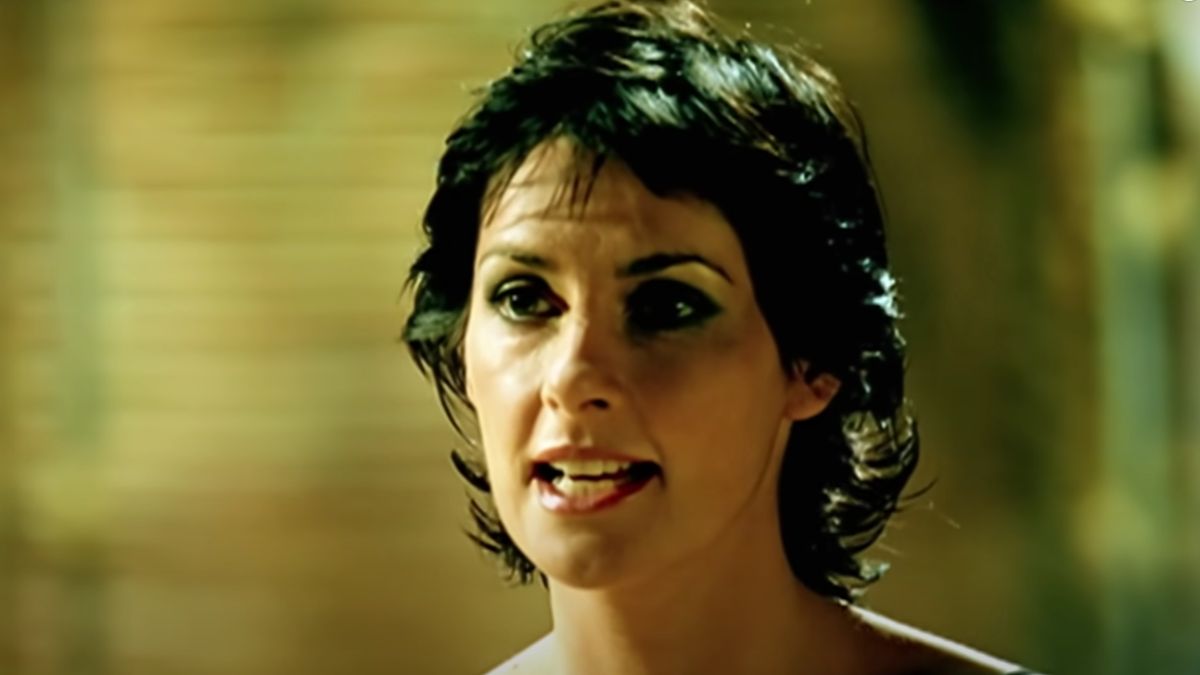
non-touring musicians - Enya - enyatv
Image Source: YouTube/enyatv

Enya built her fortune selling over 80 million albums worldwide, yet she has famously avoided live performances. The Irish singer prefers the solitude of the recording studio, where she meticulously crafts her layered, ethereal sound. Her 1988 hit “Orinoco Flow” and albums like A Day Without Rain generated millions in sales without a single tour. She’s earned additional revenue from licensing her music for films, television, and commercials. Enya’s approach shows that strategic marketing and timeless sound can be just as lucrative as touring.

2. Kate Bush (Before Her 2022 Comeback)
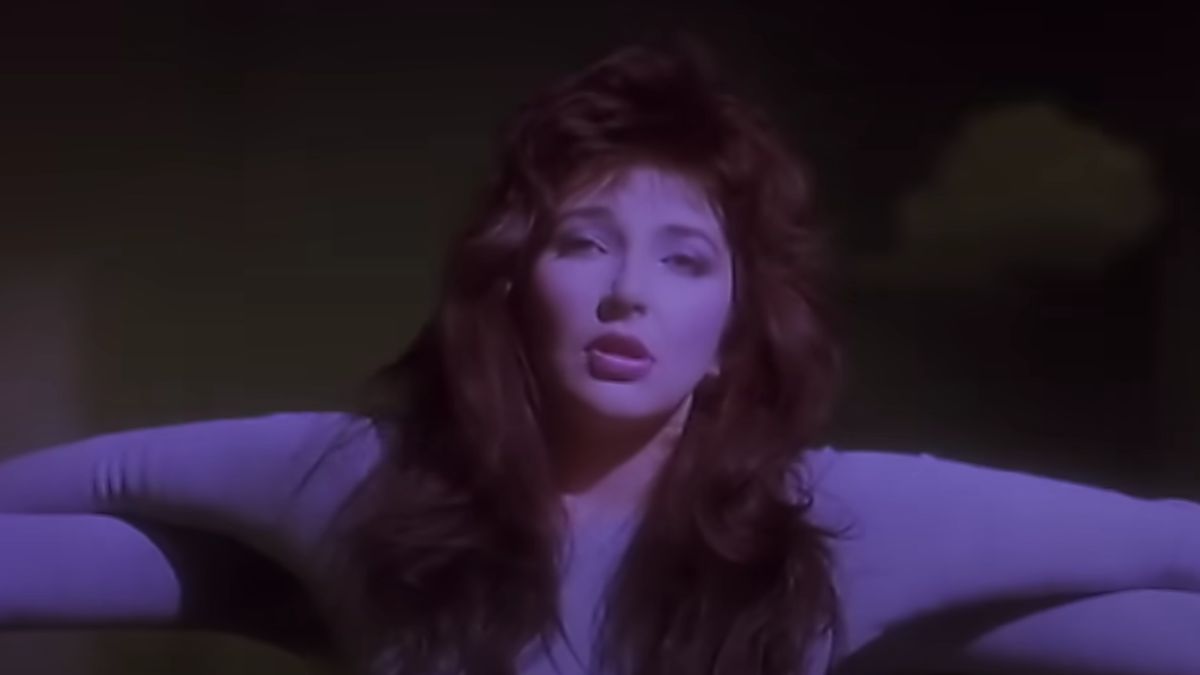
non-touring musicians - Kate Bush - KateBushMusic
Image Source: YouTube/KateBushMusic

Kate Bush performed one concert tour in 1979 and then avoided touring entirely for decades. Despite this, she built a cult following and sold millions of records, particularly in the UK and Europe. Her unique songwriting and avant-garde videos kept fans engaged without the need for constant live shows. Bush’s music licensing deals—such as the resurgence of “Running Up That Hill” in Stranger Things—have brought in significant royalties. Her career proves that scarcity can make an artist even more intriguing.

3. Vangelis

The late Greek composer Vangelis became a household name for his film scores, including Chariots of Fire and Blade Runner. He rarely performed live, preferring the privacy and creative control of the studio. His music earned Grammy Awards, Academy Awards, and millions in album sales. Vangelis’s compositions have been licensed for countless sporting events, commercials, and documentaries. His success shows how a strong catalog can generate income for decades.

4. Harry Nilsson

Harry Nilsson was a prolific singer-songwriter in the 1970s who never toured, largely due to stage fright. He still managed to win two Grammy Awards and score hits like “Without You” and “Everybody’s Talkin’.” Nilsson also earned a steady income from writing songs for other artists, including Three Dog Night’s “One.” His soundtrack work for films further padded his wealth. Nilsson’s career is a testament to the power of royalties over relentless touring schedules.

5. Burial

British electronic producer Burial became a critical darling without ever performing live or even showing his face publicly. His Mercury Prize-nominated albums and mysterious persona created demand without the traditional promotional grind. Burial has built wealth through digital sales, vinyl reissues, and licensing in film and gaming. His absence from the stage has only heightened his cult status. In a streaming age, he proves that online buzz can replace live appearances.

6. Brian Wilson (Later in Life)

While Brian Wilson of The Beach Boys toured in the early part of his career, he largely withdrew from live performances for decades due to health issues. During that time, he focused on writing, producing, and earning royalties from The Beach Boys’ massive catalog. Hits like “Good Vibrations” and “God Only Knows” have been used in commercials, films, and television, generating steady income. His genius in the studio outweighed the need for touring. Wilson’s later-life tours were limited and selective, preserving his health while maintaining his legacy.

7. Glenn Gould


View this post on Instagram


A post shared by Glenn Gould (@glenngouldofficial)

Classical pianist Glenn Gould retired from live performance at the age of 31, choosing to focus entirely on recording. His meticulous studio work, especially his interpretations of Bach, sold millions and remains a staple of classical music libraries. Gould also earned through radio and television specials, which were innovative for his time. His avoidance of live audiences didn’t diminish his influence or income. Gould’s career highlights how recorded works can sustain a lifetime of earnings.

8. Alan Menken


View this post on Instagram


A post shared by AMP Worldwide (@amp.worldwide)

Alan Menken is best known for composing beloved Disney soundtracks such as The Little Mermaid, Beauty and the Beast, and Aladdin. He’s never been a touring musician, but his work has earned him eight Academy Awards and countless royalties. Menken’s songs have been performed worldwide on stage, in film, and on streaming platforms. His income comes from publishing rights, licensing, and theatrical productions. His story proves that behind-the-scenes creators can achieve massive financial success.

9. Sia (Before 2016)


View this post on Instagram


A post shared by SIA (@siamusic)

Before she began performing selectively in recent years, Sia wrote hits for artists like Rihanna, Beyoncé, and Katy Perry. She built a lucrative career without touring, relying instead on songwriting royalties and selective recording projects. Her own albums sold millions, boosted by singles like “Chandelier,” while her anonymity fueled curiosity. Licensing deals for movies and commercials brought in even more income. For years, Sia’s voice was everywhere, even when she wasn’t on stage.

10. Randy Newman


View this post on Instagram


A post shared by Randy Newman (@randynewmanofficial)

Randy Newman is a household name thanks to his work in film and television rather than touring. His soundtracks for Pixar films, including Toy Story and Monsters, Inc., have earned him Oscars, Grammys, and steady royalties. Newman also writes and licenses songs for other artists, television shows, and commercials. While he occasionally performs live, touring has never been his primary income stream. His enduring career demonstrates the financial power of scoring and songwriting.

Touring Isn’t the Only Path to Musical Wealth

These artists prove that touring, while profitable for many, isn’t the only way to achieve financial success in music. Strategic use of recording, songwriting, and licensing can generate steady income without the physical and emotional toll of constant travel. In an industry where live performance often dominates, these musicians found creative ways to build lasting wealth from the studio or behind the scenes. Their careers are a reminder that in music, there’s more than one road to the top.

Which of these non-touring musicians surprised you the most? Share your thoughts in the comments and tell us if you think this path is harder—or smarter.

Read More

7 Celebrities Whose Side Hustles Are Now Bigger Than Their Careers

5 Famous People Who Lost Everything to Divorce

5 Musicians Who Went Bankrupt—And Then Came Back Stronger

Going bankrupt is often seen as a career ender—especially for artists whose livelihoods rely on public image. But these musicians’ bankrupt stories prove financial hardship doesn’t mean artistic defeat. After hitting rock bottom, they made bold comebacks that reshaped their careers and reputations. Whether through rebranding, deep resilience, or sheer talent, these artists bounced back better than ever. Here are five musicians who went bankrupt—and then came back stronger.

1. MC Hammer: From Diamond Hits to Debt and Digital Redemption

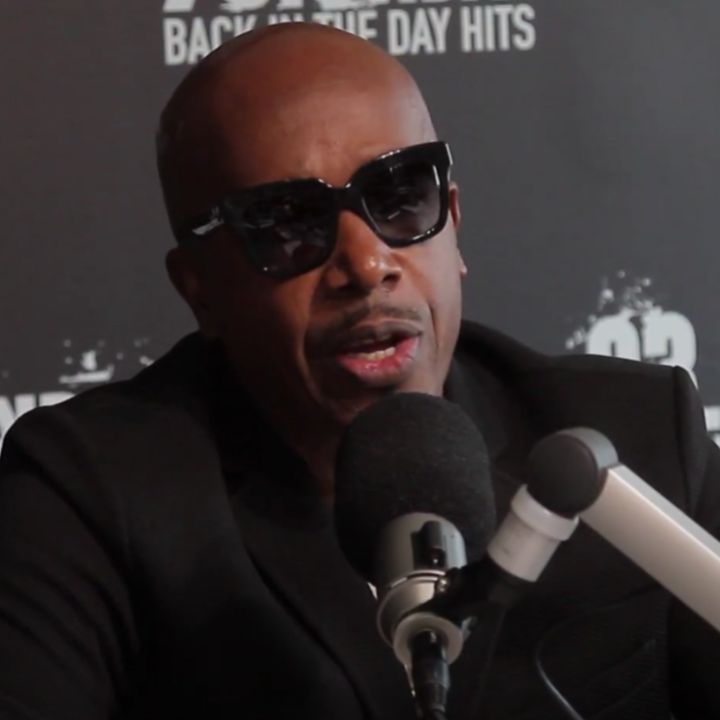
musicians bankrupt - MC Hammer - 935 KDAY
Image Source: YouTube/935 KDAY

MC Hammer once earned massive fame and wealth, with albums like Please Hammer Don’t Hurt ’Em earning diamond status. But by 1996, he faced staggering debts—reportedly over $13 million—and filed for Chapter 11 bankruptcy. His lavish lifestyle and large payroll sank his fortune fast. Yet Hammer didn’t fade away—he shifted focus, embraced gospel, and reinvented himself as a tech entrepreneur and media personality. Today, his net worth has rebounded to around $1.5 million, showing true reinvention after financial collapse.

2. Toni Braxton: Deep Debt to Chart-Topping Redemption


View this post on Instagram


A post shared by Toni Braxton (@tonibraxton)

R&B icon Toni Braxton declared bankruptcy twice—first in 1998, then again in 2010. She owed millions in health-related debts, studio expenses, and unpaid taxes. Despite this, she returned with hit albums like Pulse and leveraged reality TV to reconnect with fans. Her comeback saw Grammy awards and sold‑out tours that overshadowed her financial past. Braxton’s resilience proves that even after musicians go bankrupt, artistic output can pave the path back to success.

3. Mick Fleetwood: From Fleetwood Mac Fame to Financial Missteps

Mick Fleetwood’s wild ‘70s rockstar lifestyle caught up with him—he filed for bankruptcy in 1984, owing nearly $3.7 million. Substance abuse and overspending led to serious debt, threatening to derail Fleetwood Mac’s legacy. But Fleetwood cleaned up his act, embraced sobriety, and helped revive the band’s popularity. He’s now a respected elder statesman in rock, still touring and earning respect and revenue. His comeback reminds us that even musicians bankrupt can reclaim not just financial stability but artistic integrity.

4. Lady Gaga: Betting Everything—and Nearly Losing It All


View this post on Instagram


A post shared by Lady Gaga (@ladygaga)

Before Bad Romance catapulted her career, Lady Gaga spent heavily on staging her breakthrough Monster Ball tour in 2009—so much so that she later revealed she was “technically bankrupt.” Facing debts that Georgia government confiscated, she had just $3 million left. But Gaga doubled down, refining her spectacle and sound to world‑dominating results. Soon, she signed a $40 million deal with Live Nation and became one of the highest‑earning performers. Her story shows how risk, vision—and a dash of bankruptcy—can fuel an artist’s rise.

5. Patrick Wolf: Bankruptcy, Addiction, and a Musical Rebirth


View this post on Instagram


A post shared by PATRICK WOLF (@patrickwolf)

Avant‑pop artist Patrick Wolf’s journey is less known but equally powerful. In 2017, he filed for bankruptcy triggered by unpaid taxes and the loss of his manager. Around the same time, he battled addiction and nearly lost his place in music. But with support from Patti Smith, Yoko Ono, and a renewed creative spark, Wolf rebounded with the new album Crying the Neck—his first in 13 years—reflecting personal trials and recovery. His comeback highlights how hitting bottom can catalyze a profound artistic reset.

When Bankruptcy Sparks Reinvention

Each of these five musicians’ bankrupt stories starts with financial collapse—whether due to overspending, personal issues, or risky career bets. Yet none ended there. Instead, they turned adversity into opportunity: exploring new genres, revamping personal brands, or doubling down on creative control. Their stories are more than mere comebacks—they’re lessons in resilience, reinvention, and the power of persistence in the music industry.

Do you have a favorite artist whose comeback inspired you? Share their story below—we’d love to hear your picks!

Read More

What These 5 Famous Siblings Earn Separately

These 7 Singers Own Brands You Probably Use Without Knowing It

10 Musicians Who Make More From Merch Than Music

When you think of musicians raking in millions, you probably picture streaming hits or sold-out concerts. But for many artists, merchandise—T-shirts, hoodies, vinyl, and even cereal boxes—brings in more cash than their actual music. With streaming platforms paying fractions of a cent per play, merch has become a major income stream. Some stars have turned their logos and slogans into global fashion brands. Here are 10 musicians who earn more from their merch than from their music.

1. Kanye West

Kanye West - musician merchandise - Jimmy Kimmel Live
Image Source: YouTube/Jimmy Kimmel Live

Kanye’s music empire is impressive, but his Yeezy brand made him a billionaire before Adidas ended their partnership. At its peak, Yeezy generated over $1.5 billion annually, with Kanye pocketing a massive royalty share. Meanwhile, his music—though popular—can’t compete with the apparel juggernaut. His merch isn’t just concert tees—it’s streetwear gold. Even post-scandal, his drops still spark major resale demand.

2. Travis Scott


View this post on Instagram


A post shared by flame (@travisscott)

Travis is the king of brand crossovers, turning his music fame into merchandising mastery. From his iconic McDonald’s meal and matching tees to his lucrative Nike deals, his merch eclipses music royalties. His “Astroworld” tour alone pulled in millions in merch revenue. Fans eagerly buy everything from action figures to scented candles. Scott’s branding is a cultural movement as much as a business strategy.

3. Beyoncé


View this post on Instagram


A post shared by Beyoncé (@beyonce)

While Beyoncé’s albums top charts, her merch—especially under the Ivy Park label—brings in major profits. Her Adidas collaboration sold out in hours and created global buzz. Tour merchandise from her Renaissance World Tour fetched premium prices, with custom jackets and accessories going viral. Beyoncé blends fashion and fandom seamlessly. Her name alone guarantees sales beyond music platforms.

4. Slipknot


View this post on Instagram


A post shared by Slipknot (@slipknot)

This metal band may not dominate mainstream charts, but they dominate the merch game. Slipknot’s aggressive branding—masks, jumpsuits, and horror-themed gear—has created a cult following. Fans often spend hundreds per show on exclusive merchandise. They even sell replica masks that become collector’s items. For Slipknot, the merch is as iconic as the music itself.

5. Taylor Swift


View this post on Instagram


A post shared by Taylor Swift (@taylorswift)

Taylor’s eras aren’t just musical—they’re merchandise empires. Each album cycle launches themed drops that include everything from cardigans to friendship bracelets. At her Eras Tour, merch lines reportedly stretched longer than some of her songs. Swifties spend big to show off their loyalty. And with Taylor owning her brand fully, most of those profits go straight to her.

6. KISS


View this post on Instagram


A post shared by KISS (@kissonline)

KISS turned their theatrical rock persona into one of the biggest merchandising machines ever. With over 5,000 licensed products—from lunchboxes to pinball machines—they’ve earned more from merchandise than from music or touring. Gene Simmons famously said they’ve made more selling their brand than their songs. Even non-fans recognize the face paint and flaming logo. KISS built the blueprint for band-based branding.

7. BTS


View this post on Instagram


A post shared by BTS (@jungkook97.offcial)

This K-pop powerhouse sells out stadiums—but it’s the merchandise that keeps the money flowing. BTS fans, known as ARMY, collect light sticks, clothing, dolls, and even skincare lines. The group’s official merch often sells out in minutes, creating resale frenzies. With limited drops and seasonal collections, their merchandising rivals fashion houses. BTS’s reach proves that merch is global currency.

8. Post Malone


View this post on Instagram


A post shared by @postmalone

Posty doesn’t just sell music—he sells himself as a lifestyle. From Crocs collaborations to custom beer pong sets, his quirky image powers unique merchandise. His fans love the blend of humor, comfort, and chaos. While his streaming numbers are massive, his exclusive collabs often rake in more per unit. And he’s just getting started with fashion lines and branded beverages.

9. Justin Bieber


View this post on Instagram


A post shared by Justin Bieber (@lilbieber)

Bieber Fever turned into Bieber Fashion with his “Drew House” label. What started as tour merch evolved into a full-blown clothing line worn by influencers and fans alike. Unlike basic tees, Drew House items are fashion-forward and priced like streetwear. Justin’s minimalist smiley face logo has become a retail phenomenon. It proves that musicians can lead fashion—not just follow it.

10. Tyler, The Creator


View this post on Instagram


A post shared by Tyler, The Creator (@feliciathegoat)

Tyler’s “Golf Wang” and “Golf Le Fleur” brands are cult favorites that outsell his album earnings. The colorful, creative line reflects his personal style and connects deeply with fans. Tyler’s merch drops feel like limited-edition art collections. His music fuels the hype, but the clothing keeps the cash coming. In his case, the music is the trailer—the merch is the feature.

Merch Is More Than a Side Hustle

For many musicians, merchandise is no longer just tour swag—it’s the backbone of their brand. As streaming pays less and fans crave personal connection, merch gives artists a direct line to loyal followers. The smartest stars aren’t just selling songs—they’re selling identity, emotion, and style. In a world of digital music, tangible items bring fans closer. And those fans? They’re more than listeners—they’re walking billboards.

Which artist’s merch do you own—or want to own? Drop your favorites in the comments and let’s see who’s turning music into money!

Read More

Loren Gray’s Net Worth: From Musical.ly to Millions

These Indie Artists Are Quietly Worth Millions—and You’ve Never Heard Their Names

How Much Is a Grammy Really Worth? We Followed the Money

value of a Grammy
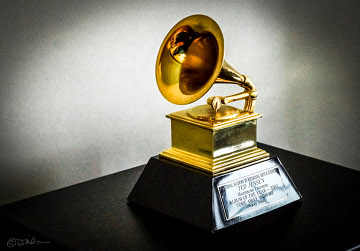
By Original work: <a title="The Recording Academy" href="//en.wikipedia.org/wiki/The_Recording_Academy">The Recording Academy</a>Depiction: <a title="User:Dmileson" href="//en.wikipedia.org/wiki/User:Dmileson">Dmileson</a> – <a class="external text" href="https://web.archive.org/web/20170404064828/https://commons.wikimedia.org/wiki/File:Ted_Jensen's_2002_Grammy.jpg" rel="nofollow">File:Ted Jensen’s 2002 Grammy.jpg</a>, <a title="Creative Commons Attribution-ShareAlike 4.0" href="https://creativecommons.org/licenses/by-sa/4.0/">CC BY-SA 4.0</a>, <a href="https://en.wikipedia.org/w/index.php?curid=57549899">Link</a>

Ever wonder what a Grammy trophy is actually worth? Sure, it’s a shiny award, but when you follow the money, the value of a Grammy goes way beyond the stage. We’re talking $800 of labor and materials—but that’s just the cover charge. The real payoff arrives in boosted streams, concert prices, and even negotiating muscle. Let’s break down the money behind music’s biggest accolade and why it changes the game for artists.

The Trophy Itself: Modest Cost, Priceless Symbol

The physical Grammy trophy costs roughly $800 to produce—including labor and materials—handcrafted in Colorado by Billings Artworks. The metal alloy, “Grammium,” is gold-plated and weighs about five pounds—nothing exotic, but enough to look impressive. In terms of resale value, the Recording Academy prohibits any sale, effectively making it worthless in dollars. Yet, that trophy symbolizes industry recognition and peer approval—its emotional and career value is “priceless.” So while it’s not a direct paycheck, the value of a Grammy is measured more in opportunity than gold.

The “Grammy Bounce” in Streaming and Sales

The moment a Grammy winner hits the stage or opens the envelope, something called the “Grammy bounce” kicks in. Albums and singles often see streaming surge by 35–50% post-win. For instance, Bruno Mars saw his album streams jump nearly 90% after winning major awards. Emerging artists typically report recorded music income doubling—from around $900k to $1.8 million in two years—and touring revenue rising as much as 5x. That spike delivers real dollars as platforms promote Grammy winners prominently, pushing discovery and playlist placement.

A Grammy doesn’t just elevate recorded music—it also boosts live performance income. Forbes reported a typical “Grammy bounce” of 55% in concert fees during the year following a win. Producers similarly benefit with higher rates, sometimes doubling their fees post-award. For mid-tier and emerging acts, that can translate to touring income leaping from $1.5 million to over $8 million in a two-year span. Even established superstars like Taylor Swift and Beyoncé reportedly saw concert earnings shoot past six figures per show after winning. This award becomes a powerful promotional tool for booking agents and venues.

Long-Term Credibility and Business Leverage

Winning a Grammy isn’t just about the immediate money—it also builds long-term credibility. Artists often gain stronger negotiating power with labels, publishers, and sponsors. They can demand bigger advances, better contracts, and wider distribution deals. Labels often view Grammy winners as lower risk, meaning more promotional support and marketing muscle. Internationally, Grammys unlock doors: they help artists secure visas, festival slots, and overseas bookings. So the real value of a Grammy is felt even years later as opportunities keep multiplying.

Not Every Grammy Yields The Same Value

Of course, not all Grammys are created equal. Wins in major categories like Album of the Year or Record of the Year deliver the biggest financial impact. Niche categories yield smaller boosts, but still meaningful recognition. Some critics argue the prestige of a Grammy has waned among younger audiences. Still, industry insiders maintain that a nomination alone can boost career opportunities and label support. Ultimately, the value of a Grammy depends on an artist’s profile, marketing strategy, and how they capitalize on the moment.

The True ROI: Dollars, Doors, and Artistic Freedom

So what’s the real return on investment for a Grammy? When you add up streaming uplift, concert pay, licensing, brand deals, and stronger contracts, even a modest boost can bring millions over time. A recent report found emerging Grammy winners saw over $7 million in additional income across recorded and live streams within two years. Plus, the rainmaker isn’t just cash—it’s doors opening in publishing, endorsements, sync placements, and creative partnerships. The credibility earned translates directly into leverage, often giving artists more creative control and reach than before.

Have you spotted an artist who got a huge boost from a Grammy win, or felt its impact yourself? Share your observations in the comments—we’d love to hear your take on the value of a Grammy!

Read More

‘Teen Mom’ Net Worths Ranked from Broke to Ballin’

Here’s The Net Worth Of The First Couple From ‘Love Is Blind’

All content on Plunged in Debt is for entertainment purposes only. By reading this blog, you agree that Plunged in Debt is not responsible for any actions taken after reading this blog. For the full disclaimer.

Financial Disclaimer

Please note that Plunged in Debt has financial relationships with some of the merchants mentioned here. Plunged in Debt is funded by banner advertising, commission sales and search optimization consulting. Plunged in Debt is operated by Novara Unlimited LLC.