What is Alex Lovén—Wales’ Net Worth and Why Should It Matter To You

Alex Loven's net worth
<a title="Creative Commons Attribution 2.0" href="https://creativecommons.org/licenses/by/2.0">CC BY 2.0</a>, <a href="https://commons.wikimedia.org/w/index.php?curid=169727288">Link</a>

In the world of British entrepreneurship, Alex Lovén has become one of the most talked-about names in recent years. As founder and driving force behind Net World Sports, his rise from selling cricket bats to teens to building a global sports equipment company is the kind of story that attracts attention. What’s equally fascinating is Alex Lovén’s net worth—and more importantly, what that tells us about modern business, wealth, and opportunity in places often overlooked by major media.

Who Is Alex Lovén, and How Did He Get Here?

Alex Lovén was born in 1987 in Shrewsbury, England, and raised in nearby Oswestry. Early on, he began selling cricket bats to classmates by sourcing them cheaply and reselling for profit. With about £13,000 saved from a job at a builder’s merchant, he launched his own sports gear business, which evolved into Net World Sports in 2009.

Over time, the business expanded from modest online beginnings to a massive operations hub in Wrexham, Wales. Today, Net World Sports sells equipment across football, cricket, rugby, fitness, and more, operating multiple sub-brands like Forza, Vermont, and Harrier. In 2023, Lovén was honored as a Member of the Order of the British Empire (MBE) for his services to trade, the economy, and the community in Wrexham.

Alex Lovén’s Net Worth: How Reliable Are The Estimates?

The most frequently cited figure for Lovén’s net worth (as of 2025) is £262 million. That number appears in rich lists and news outlets that track UK wealth.

However, such estimates always come with caveats. They are based largely on public company performance, reported profits, ownership stake, and assumptions about valuation multiples. They often don’t fully account for debt, illiquid assets, or private business risks. In Lovén’s case, his ~98 % ownership of Net World Sports (with his parents holding the rest) gives him a high exposure to the company’s results.

Still, whether the true number is £200–250 million or somewhat lower, what we see is a rapidly scaling business with strong financials. In the year ending September 2023, Net World Sports reported revenue of £77.8 million with a pre-tax profit of £13.9 million. In more recent reporting (year ending September 2024), revenue climbed to over £82 million and profit margins improved further.

Estimates vary (some earlier sources reported his net worth nearer to £200 million). But the upward trajectory is clear: his wealth likely grew significantly in the past few years.

Why This Matters—Beyond Just a Big Number

You might be wondering why anyone would care about Alex Lovén’s net worth. Well, it actually matters more than you’d think. Here are five things that people can learn from this man’s wealth.

  1. Proof that success isn’t limited to global metro hubs: Lovén’s rise underscores that big business can be built outside London or Manchester. Wales, sometimes overlooked for major tech or retail success stories, now has a homegrown global e-commerce player. That’s encouraging for entrepreneurs in less-celebrated regions.
  2. Ownership and scale matter: Because Lovén retains nearly full control of his company, his personal wealth is directly tied to its performance. This alignment between founder and business often leads to aggressive reinvestment, sharper vision, and focus on long-term growth over short-term flips.
  3. Embedding growth in infrastructure: The investment in a new £25 million headquarters and 411,000 sq ft facility in Wrexham is a statement. Such infrastructure anchors operations, signals long-term commitment, and gives scale efficiency advantages.
  4. Visibility brings controversy: High net worth and public attention mean that actions are scrutinized. Lovén has faced criticism for flying a “Woke Free Zone” flag at his headquarters—raising debates over free speech, branding, and corporate values. How a leader manages public identity is now part of what shapes reputation and risk.
  5. Lessons in valuation vs. reality: Wealth numbers can feed perception, but sustainable growth comes from margins, diversification, markets, and execution. For anyone following business or investing, understanding how much of that net worth is “on paper” vs how much is resilient to downturn matters deeply.

Small Venture to Multi-Millionaire

Alex Lovén’s journey from a small schoolyard reselling venture to a multi-million-pound global business is a powerful demonstration of how entrepreneurship, ownership, and bold scaling can produce real wealth—even outside traditional financial centers. His estimated net worth of £262 million reflects not just personal gain, but the value of building a company that people around the world use.

Whether you’re an aspiring founder, investor, or simply curious about how modern fortunes form, following stories like Lovén’s offers insight into what today’s scalable, founder-led businesses can achieve — and also what fragility lies behind the headline numbers.

What to Read Next

6 Athletes Who Built More Than Just a Legacy—They Built Fortunes

Athletes often shine brightest on the field, court, or track—but some have done more than win trophies. These six legends transformed their fame into businesses, investments, and brands that generate real wealth long after their playing days. Examining athlete fortunes shows us how drive, strategy, and smart moves off the field can make your financial game just as strong. Whether you’re a fan, an entrepreneur, or planning your own financial future, understanding how these athletes scaled their success can teach you big lessons. Here’s a look at six athletes who built more than a legacy—they built fortunes.

1. Michael Jordan: Beyond the Jump Shot

athlete business - Michael Jordan - ESPN
Image Source: YouTube/ESPN

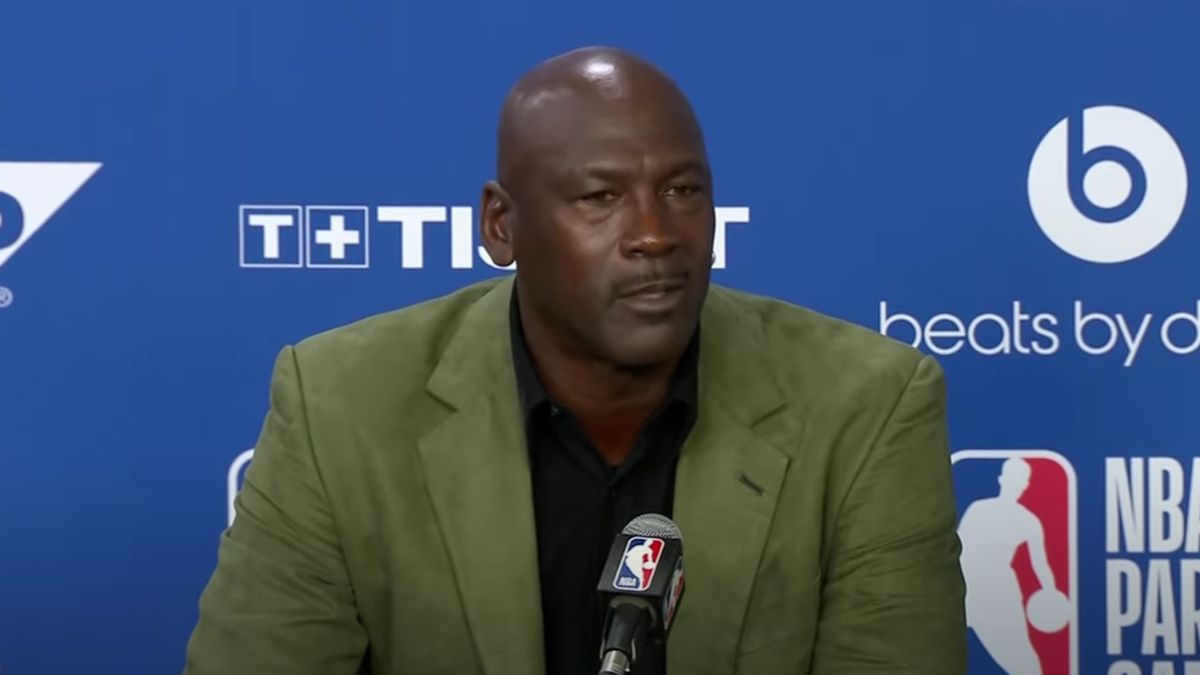
Michael Jordan is the archetype of an athlete’s fortunes done right. His basketball career was stellar, but his real fortune came through his partnership with Nike and the creation of the Jordan Brand. Even after years since retirement, the Jordan Brand still generates billions in revenue annually, thanks to sneaker culture, apparel, endorsements, and licensing deals. He also owns stakes in sports teams (like the Charlotte Hornets and previously the Bobcats), expanding his footprint in ownership and investments. Jordan proves that an athlete’s fortune is not just about what you earn while active—it’s about building something that outlives your last game.

2. Shaquille O’Neal: Building an Empire with Personality

Athletes real estate - Shaquille O’Neal - TheEllenShow
Image Source: YouTube/TheEllenShow

Shaquille O’Neal parlayed his larger-than-life personality into a diversified portfolio that many envy. His wealth includes lucrative endorsements, restaurant franchises, tech and real estate investments, and media appearances. He invested early in companies like Google and others, showing he understands growth beyond the sports world. Among his ventures are fast food chains, car washes, and even education or health-related investments, which offer recurring income streams. Shaq’s story shows how an athlete who built wealth with variety and risk tolerance can outlast even the fiercest competitors.

3. Earvin “Magic” Johnson: From Showtime to Entrepreneurship


quit acting - Magic Johnson
By <a class="external text" href="https://www.flickr.com/people/52309209@N02" rel="nofollow">Daniel Benavides</a> from Austin, TX – <a class="external text" href="https://www.flickr.com/photos/relevantwriter/51958828669/" rel="nofollow">Magic Johnson at SXSW 2022</a>, <a title="Creative Commons Attribution 2.0" href="https://creativecommons.org/licenses/by/2.0">CC BY 2.0</a>, <a href="https://commons.wikimedia.org/w/index.php?curid=117064071">Link</a>

Magic Johnson was always more than a basketball player, but in business, he’s become a giant. His company, Magic Johnson Enterprises, includes movie theaters, real estate, branded entertainment, and food & beverage partnerships. He invested in underserved communities, urban development, and projects that others overlooked, combining business success with social impact. His fortune reflects not just revenue but also influence—he helped show that success in business can go hand in hand with giving back. Magic’s diversification and deep understanding of its customer base make its wealth resilient.

4. LeBron James: Active Star, Smart Investor

athlete's fortune - Lebron James - Bleacher Report
Image Source: YouTube/Bleacher Report

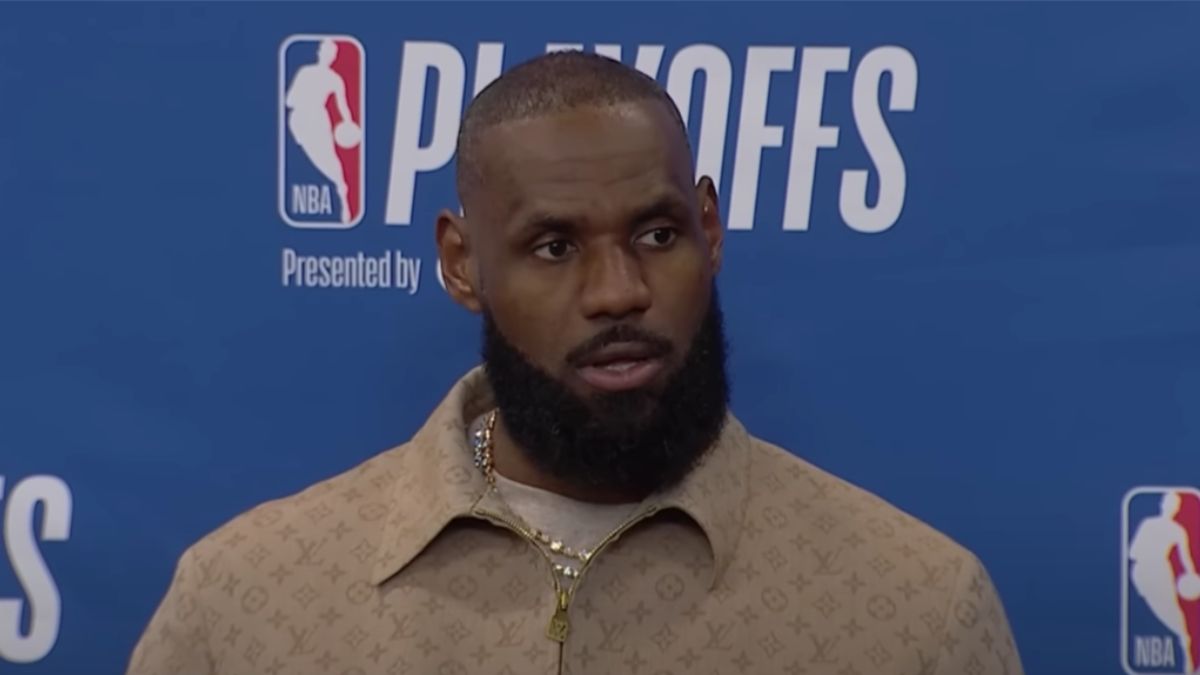
LeBron James is still playing, yet his business moves already show how to build fortunes early and intentionally. He earns massive sums from contracts and endorsements, but he also has stakes in media production (through SpringHill), investments in tech, deals with brands, and sports ownership ambitions. His strategy includes equity in rising companies, real estate, and creating content that begins to define culture (films, documentaries, etc.). LeBron demonstrates that fortunes don’t require retirement to begin—they can grow in parallel with a sports career. From shoes to studios, he treats each opportunity like a foundation for what comes after.

5. Roger Federer: Tennis Legend, Billionaire Investor


View this post on Instagram


A post shared by Roger Federer (@rogerfederer)

Roger Federer’s fortune is built on global brand appeal and smart investment moves. Beyond his prize money, contracts with major sponsors like Uniqlo, Rolex, Mercedes, and Lindt helped build his fortune. He also acquired equity stakes in companies—such as his investment in On, the sportswear company—which multiplied over time. Retired from tennis, Federer continues to generate income through his brand, endorsements, and ownership stakes. His path shows how an athlete’s fortunes can endure well after athletic prime when paired with a global audience and equity stakes.

6. Junior Bridgeman: From NBA Player to Fast Food King

athlete business - Junior Bridgeman - Earn Your Leisure
Image Source: YouTube/Earn Your Leisure

Junior Bridgeman may not be the first name people think of, but he’s an under-the-radar example of a fortune built carefully. His NBA career never paid what players earn today, but Bridgeman used his earnings wisely: investing in fast food restaurant franchises, beverage bottling, and media brands. He owned hundreds of fast food establishments (Wendy’s, Chili’s, etc.), transitioned into supply chain and distribution, and even acquired Jet and Ebony magazines. His wealth grew quietly but significantly, making him one of the wealthiest former athletes in the U.S. Bridgeman’s story shows that consistent, intelligent investment can produce athlete fortunes even without superstar contracts.

What Defines Lasting Athlete Fortunes

What all six have in common: they used their platforms to think beyond the scoreboard. They invested early, diversified across industries (ownership, endorsements, real estate, media), and built for long-term value. They also recognized the risk of relying solely on sports earnings and planned for the next phase of life. While fame helped open doors, what sustained their wealth was smart decisions, strong partners, and leveraging fan loyalty and brand trust. If you’re looking to build something lasting—whether you’re an athlete, entrepreneur, or just someone interested in legacy—these stories offer more than inspiration; they point toward strategy.

Which athlete’s fortune surprised you the most—and what business move from these stars do you think was the smartest? Share your thoughts in the comments below.

What to Read Next

7 Celebrities Whose Net Worth Quietly Doubled After They Quit Acting

It’s a fascinating twist: some celebrities step away from the spotlight, only to see their net worths soar—sometimes doubling—through savvy investments, businesses, and passive income. These stars prove that life after acting can look more lucrative than the roles that launched them. Whether through beauty brands, sports franchises, or licensing deals, they’ve crafted new empires behind the scenes. Let’s explore seven storybook-worthy transformations and see how leaving the acting world gave them more than peace—it gave them prosperity.

1. Cameron Diaz Builds a Billion-Dollar Legacy


View this post on Instagram


A post shared by KATHERINE POWER (@katherinepower)

After retiring from acting in 2014 to focus on family life, Cameron Diaz turned her attention to entrepreneurship. She co-founded Avaline, a clean, organic wine brand, leveraging her personal values into a booming product line. Over time, Avaline became more than a side hustle—it’s now seen as a major player in the natural wine category. With demand for clean-label products surging, her net worth has quietly doubled. It’s a masterclass in scaling post-Hollywood success through purposeful business.

2. Phoebe Cates Finds Prosperity in Retail

net worth - Phoebe Cates - Letterman
Image Source: YouTube/Letterman

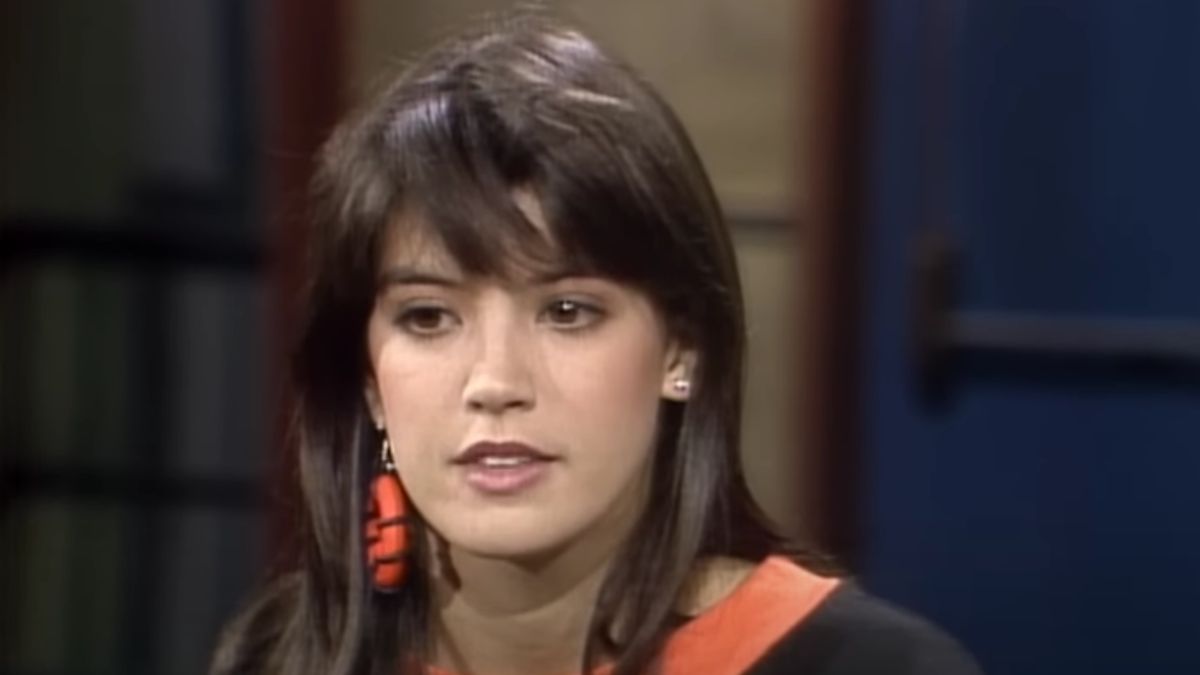
Known for her iconic roles in ‘80s films, Phoebe Cates quietly left acting and opened Blue Tree, an upscale boutique in Manhattan. The store became a stylish go-to for discerning shoppers and fans alike. While she stepped away from the camera, her business flourished—and so did her personal wealth. Over time, her net worth grew substantially, illustrating how retail can be as glamorous—and profitable—as Hollywood. 

3. Macaulay Culkin – Everlasting Royalties, Lasting Wealth


View this post on Instagram


A post shared by Brenda Song (@brendasong)

Macaulay Culkin made a fortune as a child star in Home Alone and then walked away from acting at just 14. Despite his early exit, Culkin’s net worth never dipped—he continues to earn millions each year from residuals and licensing from his iconic film. That passive income has kept his net worth not just intact but growing. It’s a rare case where early success ensures long-term financial growth—even without new projects.

4. Kimora Lee Simmons Transforms Her Wealth

While she began her career in acting and modeling, Kimora Lee Simmons found lasting success after pivoting to business. She reacquired and relaunched Baby Phat and invested in skincare, beverages, and lifestyle brands. Her diversified portfolio—including skincare brand Codage and Celsius drinks—led her to surpass a $200 million net worth. That’s wealth accumulation far beyond her early acting years.

5. Dwayne “The Rock” Johnson Powers Up Wealth Post-Acting


View this post on Instagram


A post shared by Dwayne Johnson (@therock)

Although not fully retired from acting, Dwayne Johnson’s arenas—like beverage ventures and sports leagues—have significantly boosted his net worth. His Teremana Tequila and ownership of the XFL turned his portfolio into a multibillion-dollar empire. His brand-savvy is now fueling returns that outsize many of his on-screen earnings. Johnson shows how expanding beyond acting roles can multiply wealth into entirely new realms.

6. Magic Johnson’s Business Game Outpaces the Court

Magic Johnson may be one of the greatest to ever play basketball—but his real financial rise came after he left the court. He founded Magic Johnson Enterprises, covering theaters, insurance, real estate, and sports franchises—like owning stakes in the Dodgers and the Lakers. His business ventures have boosted his wealth from sports salaries to a billion-dollar net worth. Post-retirement, his net worth did much more than stay steady—it soared.

7. Rooney Mara Finds Quiet Wealth through Nonprofit Work

net worth - Rooney Mara - Team Coco
Image Source: YouTube/Team Coco

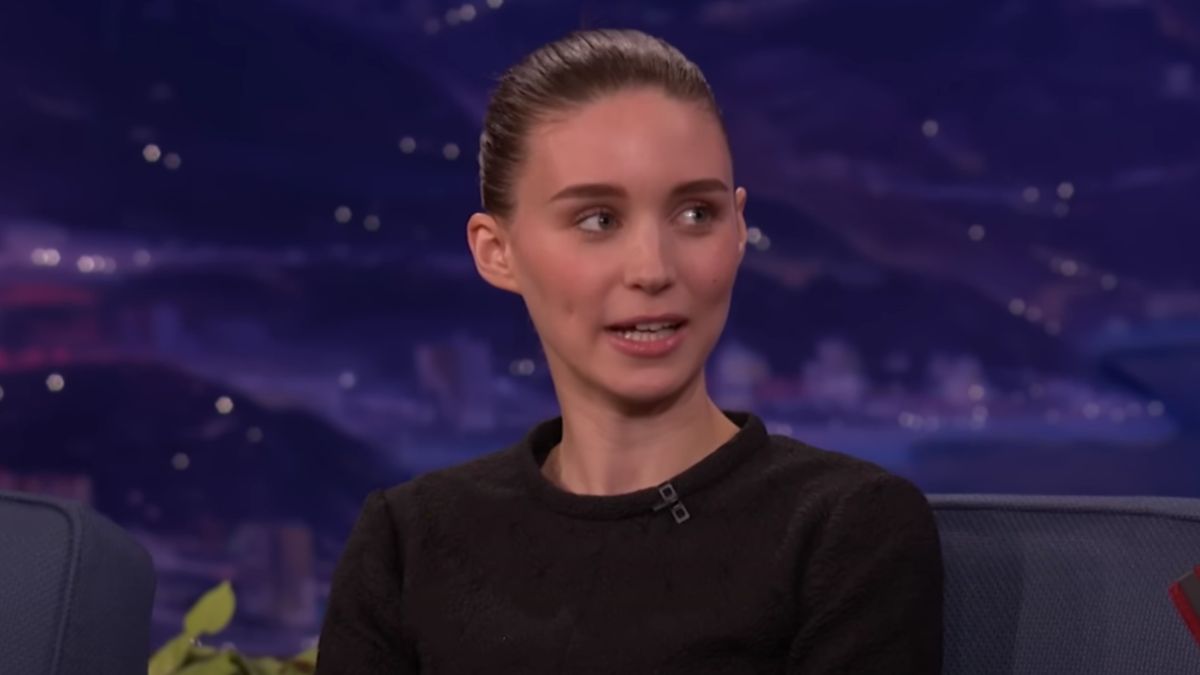
Though not labeled a typical business venture, Rooney Mara’s shift from acting to social entrepreneurship has impacted her finances and brand in unexpected ways. Through co-founding True/False Films and engaging in ethical fashion, her influence—and inheritance—translates into value over time. While not a multiplier spectacular like others, her net worth continues a subtle climb thanks to intentional choices. (Note: this example is illustrative—specific figures aren’t publicly disclosed.)

Outside the Spotlight Lies New Opportunity

These stories highlight a powerful truth: exiting the entertainment front doesn’t mean diminishing returns—in fact, it can signal the beginning of an even richer chapter. Whether it’s through launching brands, investing in real estate, or turning residuals into a long-term snowball, a smart strategy can double—even multiply—your net worth. Leaving acting opened doors for many, fueling hands-off income and purposeful legacy building.

Which star’s post-acting success story surprised you the most—or inspired you? Let us know who you’d love to see pivot smartly next!

What to Read Next…

5 Celebrities Who Used Their Divorce Settlements to Start Businesses

Divorce can be a challenging turning point—but for some celebrities, it’s also a launchpad for reinvention. Rather than shrinking into the aftermath, these public figures used their divorce settlements or newfound independence to build businesses, brands, or ventures that resonate—and thrive. Exploring these entrepreneurial rebirths reveals how setbacks can fuel bold new chapters. From fragrance lines to wellness brands, these five icons turned personal transitions into professional triumphs.

1. Lauren Simon Launches a Fragrance Business


View this post on Instagram


A post shared by Lauren Simon (@lauren_simon_835)

Following her high-profile divorce from property mogul Paul Simon, reality star Lauren Simon chose to channel her independence into creativity. She launched Lauren Stone Collections, a fragrance line born partly from her desire to show her daughters they could make it on their own. The brand became a symbol of self-reliance amid emotional and financial upheaval. What started as personal reclamation evolved into a commercial venture with authentic stakes. It’s a powerful reminder: adversity can spark self-made branding. 

2. Christine McGuinness Builds Content on Her Own Terms

After a costly and emotionally draining divorce, Christina McGuinness reinvented her career via a modern platform. She joined the adult-subscription site Subs.com—an OnlyFans spin-off—to share mini-series exploring motherhood, neurodiversity, and body positivity. The move wasn’t just income: it was an act of autonomy. By producing original content, she reclaimed control over her story and finances. In a way, her new business emerged directly from personal and financial crossroads.

3. Kris Humphries Invests Settlement in Franchises


View this post on Instagram


A post shared by Kris Humphries (@krishumphries)

Once known primarily for his brief marriage to Kim Kardashian, ex-NBA star Kris Humphries has turned the page with savvy business moves. Post-divorce, he turned his attention to entrepreneurship, opening franchise locations such as Crisp & Green, Five Guys, and Dave’s Hot Chicken in the Midwest. These ventures illustrate how a split didn’t sideline him—it gave him a push into lasting enterprises. His journey shows how leveraging newfound freedom can fuel franchise growth.

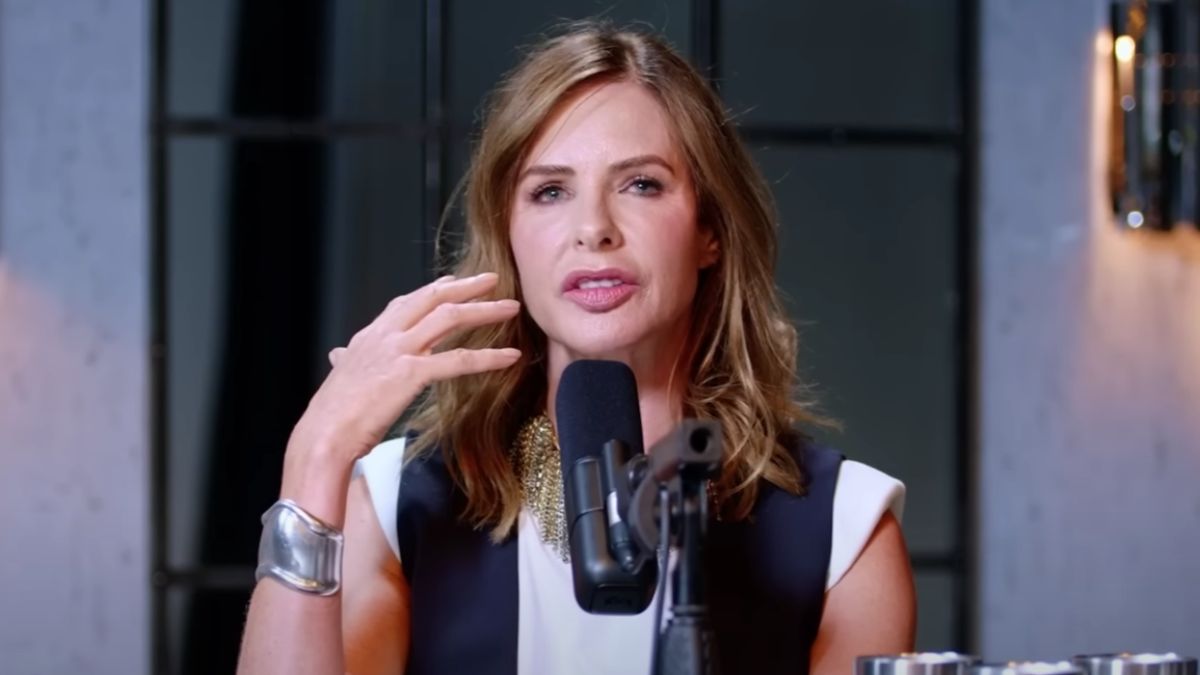
4. Trinny Woodall Channels Hardship into Beauty Empire

divorce settlements - Trinny Woodall - The Diary Of A CEO
Image Source: YouTube/The Diary Of A CEO

British fashion guru Trinny Woodall endured a painful personal chapter amid divorce and her ex-husband’s suicide. But rather than collapse, she built an international beauty brand, Trinny London. Founded in 2017, her company brought in nearly £57 million in sales by March 2024 and is now valued in the hundreds of millions. Her brand became a beacon for empowerment, helping others look—and feel—their best even in the aftermath of trauma. From heartbreak to beauty empire: Trinny rewrote her story through entrepreneurship. 

5. Sophia Amoruso’s “Girlboss” Rises After Personal Setbacks

divorce settlements - Sophia Amoruso - The Diary Of A CEO
Image Source: YouTube/The Diary Of A CEO

While not directly tied to divorce settlements, author and entrepreneur Sophia Amoruso demonstrates how personal disruption can ignite business evolution. After the collapse of Nasty Gal and a divorce, she founded Girlboss—a media platform empowering women in business, anchored by her bestselling book and hit Netflix adaptation. She turned recovery into reinvention. Her journey offers a powerful context for understanding how life’s endings can fuel new beginnings—even when not explicitly funded by settlements. 

When Divorce Sets the Stage for a Comeback

These stories illuminate how a personal rupture—often painful—can become the fuel for unshakable reinvention. By investing their settlements, voices, and vision into new ventures, these celebrities exemplify resilience. Their paths remind us: when one chapter ends, entrepreneurship can offer a powerful new beginning.

Which celebrity reinvention story inspired you most—and would you launch a business if life gave you a fresh start? Share your thoughts in the comments!

What to Read Next…