9 Small Business Owners Who Used Celebrities to Build a $50M+ Empire

celebrity partnerships
Image Source: Shutterstock

In today’s influencer-driven economy, the right endorsement can turn a small startup into a global phenomenon overnight. Some of the most successful entrepreneurs quietly built their fortunes by leveraging celebrity partnerships — aligning their brands with the right faces, names, and audiences. These collaborations go far beyond traditional advertising; they build trust, create viral moments, and fuel exponential growth. From skincare to sneakers, strategic celebrity ties have transformed once-modest ventures into empires worth $50 million or more. Here are nine small business owners who proved that fame and entrepreneurship can be a powerful mix.

1. Brian Lee — The Honest Company with Jessica Alba

Before Jessica Alba became the face of ethical baby products, attorney-turned-entrepreneur Brian Lee was already building startups that thrived on celebrity partnerships. Together, they launched The Honest Company in 2011 to provide clean, eco-friendly essentials for families. Alba’s fame gave the brand instant credibility among parents who valued health-conscious living. Within five years, The Honest Company’s valuation surpassed $1 billion. Lee’s genius lay in pairing a relatable celebrity mom with a cause-driven product line that met real consumer needs.

2. Michael Rubin — Fanatics with Jay-Z and Meek Mill

Michael Rubin took a sports merchandise company and transformed it into a celebrity partnership juggernaut. By aligning with Jay-Z, Meek Mill, and other influential athletes, he made Fanatics a cultural brand rather than just a retail platform. The company’s value soared as it expanded from jerseys to NFTs and exclusive athlete collaborations. These partnerships blurred the lines between sports, fashion, and entertainment. Rubin proved that when celebrities invest, they bring not just money, but brand loyalty and storytelling power.

3. Jen Atkin — Ouai Haircare with the Kardashian Effect

Hairstylist Jen Atkin built her empire one celebrity partnership at a time. As the go-to stylist for the Kardashian-Jenner clan, she leveraged her connections to launch Ouai Haircare in 2016. Instead of relying on paid endorsements, she used authentic relationships to build organic buzz online. Fans who followed her celebrity clients wanted the same effortless, polished look — and Ouai delivered. Within just a few years, Atkin’s brand was valued at over $50 million and was later acquired by Procter & Gamble.

4. James Whitner — A Ma Maniére with LeBron James

James Whitner built his streetwear boutique, A Ma Maniére, into a fashion powerhouse through celebrity partnerships with athletes and rappers. His collaboration with LeBron James for Nike’s “Air Ship” and “Air Jordan 3” releases catapulted the boutique into global hype culture. Whitner’s approach focuses on exclusivity, storytelling, and representation — not just product drops. By combining high fashion with authentic community roots, his brand grew beyond retail into cultural influence. Today, A Ma Maniére stands as a blueprint for Black-owned fashion excellence.

5. Whitney Wolfe Herd — Bumble with Priyanka Chopra Jonas

Whitney Wolfe Herd disrupted the dating app industry with Bumble, but her celebrity partnerships helped her dominate it. Enlisting global star Priyanka Chopra Jonas as an investor and advisor gave Bumble international recognition — especially in India’s growing digital market. The collaboration highlighted women’s empowerment in both love and business. Chopra’s involvement also aligned Bumble with authenticity and ambition, strengthening its image as a feminist-forward platform. Wolfe Herd’s brand eventually reached a valuation exceeding $7 billion, proving the power of aligning with the right public figure.

6. Ben Francis — Gymshark with Influencer Athletes

British entrepreneur Ben Francis didn’t just use celebrity partnerships — he redefined them for the digital age. Gymshark’s early success came from partnering with fitness influencers like Nikki Blackketter and Steve Cook rather than Hollywood stars. By turning gym enthusiasts into micro-celebrities, Francis created a cult-like following for his athletic apparel. This influencer-driven model made Gymshark one of the fastest-growing fitness brands in history. Within a decade, Francis grew his company from his parents’ garage to a $1.4 billion valuation.

7. Daniel Lubetzky — Kind Snacks with Kristen Bell and Kevin Durant

Daniel Lubetzky built Kind Snacks on the idea that business should be both profitable and purposeful. His celebrity partnerships with Kristen Bell and Kevin Durant helped amplify that message across health and sports communities. Bell’s advocacy for healthy families and Durant’s reputation for discipline aligned perfectly with the brand’s values. Their involvement attracted new demographics — from moms to athletes — while humanizing the brand’s mission. Lubetzky’s combination of cause marketing and celebrity advocacy turned Kind into a global snacking empire.

8. Emily Weiss — Glossier with Beyoncé and Michelle Obama Fans

When Glossier launched in 2014, founder Emily Weiss understood that visibility was everything. Her celebrity partnerships weren’t formal contracts — they were natural extensions of cultural influence. From Beyoncé to Michelle Obama, countless celebrities were spotted wearing Glossier products, often shared organically on social media. Weiss built a community-first model that turned celebrity fandom into social proof. That authenticity fueled a billion-dollar valuation and redefined how beauty brands use fame in the digital era.

9. Adam Braun — Pencils of Promise with Justin Bieber

Adam Braun’s nonprofit-turned-global education initiative shows how celebrity partnerships can drive purpose, not just profit. When Justin Bieber joined forces with Pencils of Promise early in his career, the charity’s reach skyrocketed. Bieber’s fanbase helped fund hundreds of schools across developing nations. Braun used the momentum to attract other celebrities and corporate donors, turning goodwill into sustainable growth. The organization now operates as a multimillion-dollar enterprise, making a real social impact worldwide.

The Real Power of Celebrity Partnerships

The secret behind these success stories isn’t just fame — it’s alignment. Each founder built a brand that resonated with the celebrity’s values, voice, and audience, creating authentic celebrity partnerships that felt natural rather than transactional. The takeaway? Star power amplifies a message, but integrity sustains it. When done right, these collaborations transform brands into movements and entrepreneurs into household names.

Which celebrity partnership do you think made the biggest impact — and which brand surprised you most? Share your thoughts in the comments below!

What to Read Next

Toni Ko’s Path: From Startup Cosmetics to a Half-Billion Dollar Sale

Toni Ko NYX Cosmetics
Image Source: Shutterstock

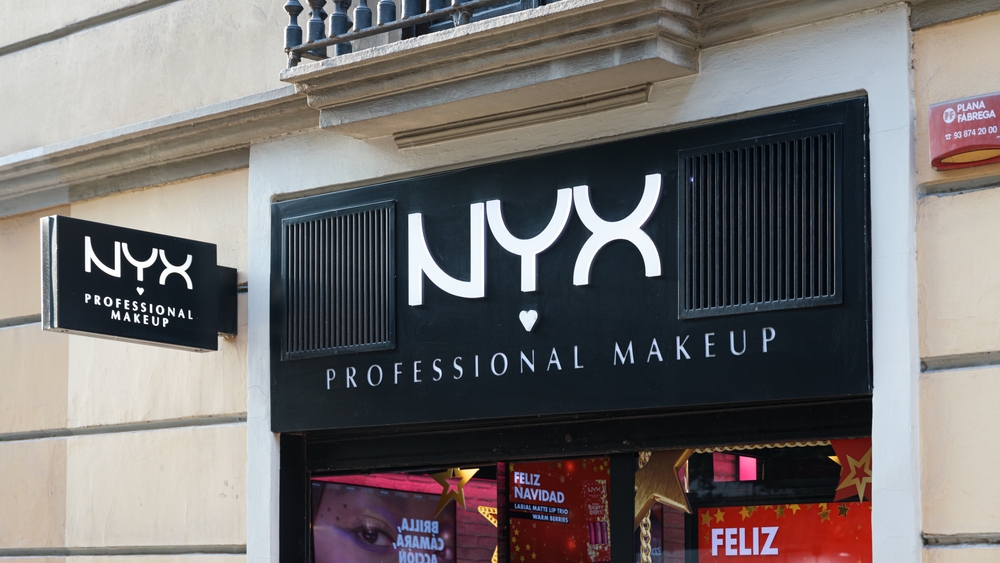
Toni Ko’s story isn’t just a tale of business success—it’s proof that understanding your audience can change your life. As the founder of NYX Cosmetics, she turned a $250,000 startup investment into a global beauty brand worth hundreds of millions. When L’Oréal purchased NYX in 2014 for an estimated $500 million, Ko became one of the most celebrated self-made women in the beauty industry. But her journey wasn’t about luck—it was about spotting a gap in the market and delivering exactly what customers wanted. The rise of Toni Ko NYX Cosmetics is a masterclass in strategic entrepreneurship and modern branding.

Spotting a Gap in the Beauty Market

In the early 2000s, makeup was divided into two extremes: drugstore brands that lacked quality and high-end products that came with steep price tags. Toni Ko, a Korean-American entrepreneur raised in Los Angeles, saw a clear opportunity in the middle. She realized that everyday consumers wanted professional-quality makeup without spending $30 on a lipstick. With that insight, she launched NYX Cosmetics in 1999 from a small office in California. Her mission was simple but powerful—create affordable luxury that performed like the big brands.

Building NYX with Street Smarts and Strategy

Ko didn’t rely on celebrity endorsements or massive ad budgets. Instead, she focused on word-of-mouth marketing and creating products that truly delivered results. Her first breakout item—a $1.99 eyeliner that rivaled luxury brands—spread quickly among makeup artists and everyday shoppers alike. She reinvested profits into expanding the line, keeping prices low while improving packaging and formulas. By staying close to her customers, she built fierce loyalty that money couldn’t buy. This grassroots approach became one of the defining pillars of Toni Ko NYX Cosmetics’ success.

The Power of Timing and Social Media Influence

As social media platforms like YouTube and Instagram began to take off, NYX was one of the first brands to capitalize on influencer culture. Beauty vloggers started reviewing and recommending NYX products organically, giving the brand massive exposure without traditional advertising. Ko recognized this trend early and sent free products to creators, building partnerships before “influencer marketing” was even a buzzword. This strategy positioned NYX as an authentic, trend-driven brand loved by the online beauty community. For Ko, understanding digital culture was just as crucial as understanding cosmetics.

The Big Break: L’Oréal Comes Calling

By 2014, NYX had become a phenomenon—sold in over 70 countries and generating millions in annual revenue. That same year, L’Oréal saw the potential and acquired the company for a reported $500 million. The sale marked one of the biggest independent brand acquisitions in the beauty industry at the time. For Ko, it was a bittersweet moment—her years of work had paid off, but she also knew she’d have to step away due to non-compete agreements. Still, the deal cemented her place as a visionary in the beauty world and proved the power of building a brand rooted in accessibility.

Finding Purpose After the Payoff

After selling NYX Cosmetics, Toni Ko faced an unexpected challenge—figuring out what came next. Despite her wealth, she felt restless and missed the creative energy of entrepreneurship. That led her to launch a new venture: Perverse Sunglasses, a fashion-forward eyewear brand inspired by the same philosophy—affordable luxury. Although the company didn’t replicate NYX’s success, it reignited her passion for innovation. Ko later shifted her focus to Butter Ventures, an investment firm supporting other female-led startups. Her journey showed that success isn’t about one big win—it’s about staying curious and adaptable.

Lessons Entrepreneurs Can Learn from Toni Ko

Toni Ko’s career offers timeless lessons for anyone chasing a business dream. First, find a genuine gap in the market instead of trying to compete directly with giants. Second, know your audience better than your competitors do—NYX thrived because Ko built for real people, not just profit margins. Third, embrace digital trends early; social media turned NYX into a global name before most brands understood its potential. And finally, remember that success is cyclical—even after selling her company, Ko kept building, mentoring, and investing in others. The Toni Ko NYX Cosmetics story proves that entrepreneurship is a mindset, not a moment.

Toni Ko’s Legacy: More Than Makeup

Toni Ko didn’t just create a cosmetics line—she helped redefine what affordable beauty could be. Her journey from small business owner to multimillionaire investor reflects the evolution of modern entrepreneurship itself. By staying authentic, customer-focused, and adaptable, she turned a humble idea into a half-billion-dollar legacy. Today, her story continues to inspire women, immigrants, and dreamers everywhere who believe they can turn passion into success. In the end, Toni Ko’s real product wasn’t makeup—it was empowerment.

What do you think is Toni Ko’s greatest legacy—her business success or her commitment to empowering women in entrepreneurship? Share your thoughts below!

What to Read Next

How Junior Bridgeman Invested His Way to $600M After an Modest NBA Career

athlete business - Junior Bridgeman - Earn Your Leisure
Image Source: YouTube/Earn Your Leisure

Junior Bridgeman’s story might be one of the most underrated success tales in sports history. Unlike many athletes who earn millions during their careers, Bridgeman’s NBA journey was humble—he never made more than $350,000 in a season. But through savvy investing and relentless curiosity, he transformed that modest start into a business empire worth over $600 million. His rise proves that true wealth doesn’t come from a single paycheck—it comes from financial discipline, patience, and vision. Here’s how Junior Bridgeman built a fortune far greater than his basketball fame.

A Career Built on Discipline, Not Stardom

During his 12-year NBA career with the Milwaukee Bucks and Los Angeles Clippers, Junior Bridgeman wasn’t a household name. He was a reliable sixth man—a player known for consistency, leadership, and teamwork rather than flashy stats. But even then, he was thinking long-term. Bridgeman often spent his offseasons shadowing business owners and learning about operations, investments, and money management. While other players focused on luxury lifestyles, he studied how to make his paycheck last. That foundation would later become the cornerstone of his incredible net worth.

After retiring in 1987, Bridgeman took a risk that would define his financial future—he invested in Wendy’s franchises. Starting small, he opened three locations in Milwaukee to test his skills as an operator. Within a decade, he had mastered the business model and expanded to own more than 100 Wendy’s and dozens of Chili’s restaurants. His hands-on approach—visiting stores, training employees, and studying customer behavior—set him apart from passive investors. At one point, Bridgeman’s restaurant group employed over 11,000 people and generated nearly $400 million in annual revenue.

Bridgeman Foods Became a Family Empire

Junior didn’t just stop at fast food—he built a full-fledged business empire under the name Bridgeman Foods Inc. His company became one of the largest restaurant franchise operators in the U.S., but it also served as a family legacy. Bridgeman involved his children early on, teaching them about financial literacy, work ethic, and entrepreneurship. His son Justin now runs Bridgeman Foods, ensuring the family continues to grow its wealth strategically. By turning a single business move into a generational enterprise, Bridgeman showed how to make money work for you—and for those who come after you.

Expanding Into Bottling and Distribution

After selling his restaurant franchises in 2016, Bridgeman pivoted to a new opportunity: Coca-Cola bottling and distribution. He purchased bottling operations in Kansas, Missouri, and Illinois, entering a lucrative sector that few athletes even consider. The move was both strategic and symbolic—it allowed him to transition from consumer-facing restaurants to large-scale product distribution. This diversification expanded his business influence beyond retail into logistics and manufacturing. It’s one of the reasons Junior Bridgeman’s net worth has continued to climb even after selling his restaurant empire.

Buying Ebony and Jet Magazines

In 2020, Bridgeman made headlines again when he purchased Ebony and Jet, two legendary African American publications that had fallen into bankruptcy. His goal wasn’t just to make money—it was to preserve a cultural institution and restore its influence for future generations. Bridgeman relaunched the magazines under Bridgeman Sports and Media, focusing on digital transformation and youth engagement. The investment signaled his shift toward media and social impact ventures. It proved that his business instincts go beyond profit—they include purpose.

Despite his wealth, Junior Bridgeman’s approach to life remains grounded in humility. He’s often said that success in business isn’t about luck—it’s about consistency and integrity. Bridgeman insists on working as hard today as he did during his NBA years, believing that effort is what separates sustainable wealth from short-term riches. He’s known for visiting his businesses personally and treating employees like partners, not subordinates. That leadership style has earned him respect across industries, from fast food to finance.

Financial Lessons From Bridgeman’s Success

Junior Bridgeman’s financial rise offers timeless lessons for anyone chasing financial freedom. First, live below your means—he invested instead of overspending. Second, invest in what you understand—he learned the restaurant business before scaling it. Third, diversify smartly—his transition from fast food to bottling to media shows the power of adaptability. Finally, create long-term value—he built systems that continue earning money even when he’s not actively working. These habits explain why Junior Bridgeman’s net worth has steadily grown while many other athletes’ fortunes have faded.

From Sixth Man to Self-Made Mogul

Junior Bridgeman’s story is a testament to what happens when discipline meets vision. He didn’t earn generational wealth through endorsement deals or mega-contracts—he built it through strategy, patience, and relentless drive. From fast food counters to boardrooms, he proved that success after sports is possible for anyone willing to learn, adapt, and work hard. Today, with a net worth of over $600 million, he’s one of the wealthiest former athletes in the world—and arguably one of the smartest investors to ever play the game.

What do you think of Junior Bridgeman’s journey from the NBA to multimillionaire investor? Share your thoughts or favorite athlete success stories in the comments below!

What to Read Next

5 Underrated Athletes Who’ve Quietly Built $50M+ Fortunes

You don’t need to be a global superstar to rack up serious wealth—some athletes fly under the mainstream radar while building impressive financial empires. The advantage? Fewer distractions, more control over off-field ventures, and stealth growth. Here’s a look at five underrated athletes who’ve quietly built $50M+ fortunes, and see how they leveraged business acumen, branding, or smart investing. Their stories offer lessons for any athlete (or non-athlete) aiming to turn talent into lasting wealth.

1. Justin Rose


View this post on Instagram


A post shared by Justin ROSE (@justinprose99)

Justin Rose quietly turned his golf success into a $50 million (or more) fortune while staying under the typical celebrity radar. His steady consistency on the international golf circuit gave him a reliable foundation. He supplemented that with endorsements, equity deals, and careful branding. Though not always in the spotlight compared to Tiger Woods or Rory McIlroy, his net worth reflects disciplined wealth building. Rose’s trajectory proves that being underrated doesn’t mean under-earning.

2. Ndamukong Suh


View this post on Instagram


A post shared by Ndamukong Suh (@ndamukongsuh)

Ndamukong Suh was never a flashy quarterback, yet he parlayed his NFL success into major financial gains. After huge contracts on the field, he branched into entrepreneurship, real estate, and investments. He launched House of Spears, a family office, and diversified into hospitality and property. His post-play portfolio boost helps push his net worth well beyond playing pay. Suh’s example shows how underrated athletes can shift from performance to asset management.

3. Junior Bridgeman

athlete business - Junior Bridgeman - Earn Your Leisure
Image Source: YouTube/Earn Your Leisure

Junior Bridgeman is perhaps the gold standard of underrated athletes making massive fortunes off the court. During his NBA years, he never earned blockbuster salaries—but he invested carefully and bought fast food franchises in his off-seasons. Over time, his empire grew to include hundreds of restaurants, a Coca-Cola bottling business, and media holdings. He eventually surpassed billionaire status, despite never dominating headlines as a player. Bridgeman’s legacy is proof: long game + smart reinvestment = generational wealth.

4. Roger Federer

Roger Federer's net worth - ESPN
Image Source: YouTube/ESPN

Roger Federer is widely admired for his tennis legacy, but his financial empire often flies under casual sports radar. Beyond prize money, he invested early in the performance brand On Running, where he still holds significant equity. That stake exploded in value once the company went public, making Federer’s off-court returns a major driver of his wealth. Despite his star status in tennis, his business savvy often gets less attention than his racquet. His journey is a model for how underrated athletes can scale wealth via equity, not just contracts.

5. Serena Williams

famous siblings earnings - Serena and Venus Williams - TODAY
Image Source: YouTube/TODAY

While her on-court dominance is obvious, many still underestimate how deeply Serena Williams built her fortune via investment. Through Serena Ventures, she has backed more than 30 startups, especially those led by women and underrepresented founders. She also holds equity in consumer brands, media, and tech companies. Her off-court hustle contributes substantially to her net worth beyond tennis glory. Serena shows how underrated athletes can lean into riskier ventures, not just sponsorships.

What Ties These Underrated Athletes Together

What unites these underrated athletes is not necessarily headline fame—but ambition, discipline, and strategic thinking. Each treated their sporting career as a platform, not the final stage. They reinvested earnings into diversified assets, equity stakes, real estate, or business ownership. They avoided overexposure to debt or lifestyle inflation. Most importantly, they thought long-term—with patience as a core strategy.

Which of these athlete stories surprised you most—or did you know someone who quietly built a fortune that way? Drop your thoughts or your own favorite underdog wealth story in the comments!

What to Read Next