Athletes often shine brightest on the field, court, or track—but some have done more than win trophies. These six legends transformed their fame into businesses, investments, and brands that generate real wealth long after their playing days. Examining athlete fortunes shows us how drive, strategy, and smart moves off the field can make your financial game just as strong. Whether you’re a fan, an entrepreneur, or planning your own financial future, understanding how these athletes scaled their success can teach you big lessons. Here’s a look at six athletes who built more than a legacy—they built fortunes.
1. Michael Jordan: Beyond the Jump Shot
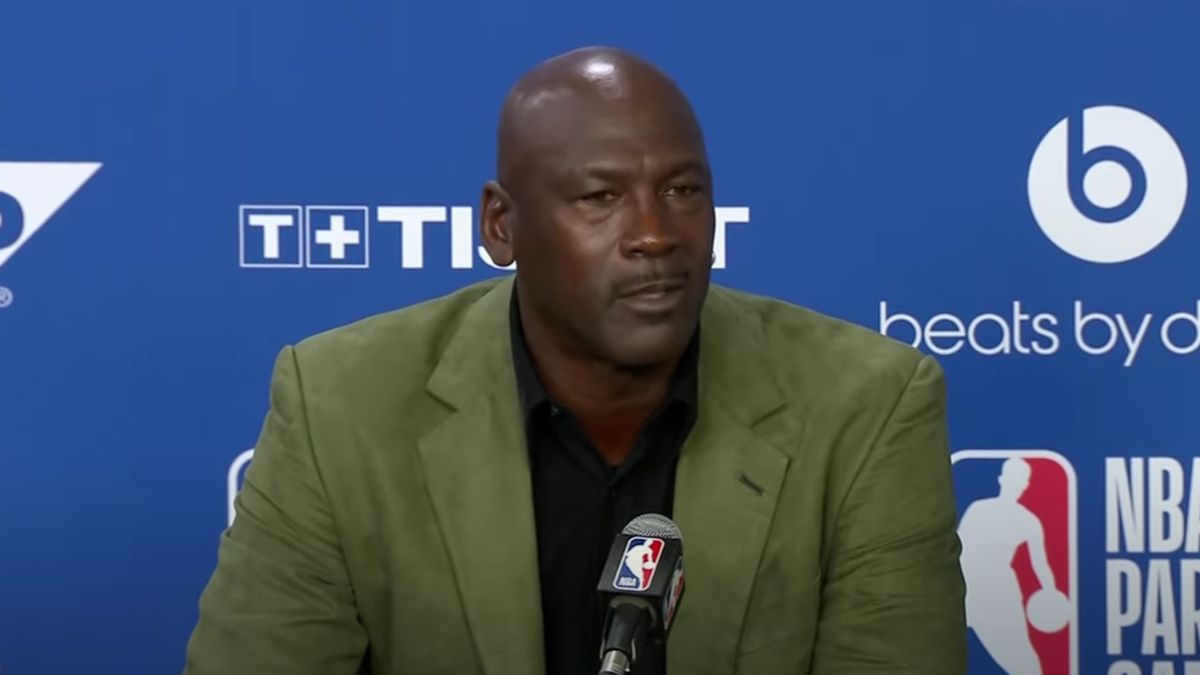
Michael Jordan is the archetype of an athlete’s fortunes done right. His basketball career was stellar, but his real fortune came through his partnership with Nike and the creation of the Jordan Brand. Even after years since retirement, the Jordan Brand still generates billions in revenue annually, thanks to sneaker culture, apparel, endorsements, and licensing deals. He also owns stakes in sports teams (like the Charlotte Hornets and previously the Bobcats), expanding his footprint in ownership and investments. Jordan proves that an athlete’s fortune is not just about what you earn while active—it’s about building something that outlives your last game.
2. Shaquille O’Neal: Building an Empire with Personality

Shaquille O’Neal parlayed his larger-than-life personality into a diversified portfolio that many envy. His wealth includes lucrative endorsements, restaurant franchises, tech and real estate investments, and media appearances. He invested early in companies like Google and others, showing he understands growth beyond the sports world. Among his ventures are fast food chains, car washes, and even education or health-related investments, which offer recurring income streams. Shaq’s story shows how an athlete who built wealth with variety and risk tolerance can outlast even the fiercest competitors.
3. Earvin “Magic” Johnson: From Showtime to Entrepreneurship

Magic Johnson was always more than a basketball player, but in business, he’s become a giant. His company, Magic Johnson Enterprises, includes movie theaters, real estate, branded entertainment, and food & beverage partnerships. He invested in underserved communities, urban development, and projects that others overlooked, combining business success with social impact. His fortune reflects not just revenue but also influence—he helped show that success in business can go hand in hand with giving back. Magic’s diversification and deep understanding of its customer base make its wealth resilient.
4. LeBron James: Active Star, Smart Investor
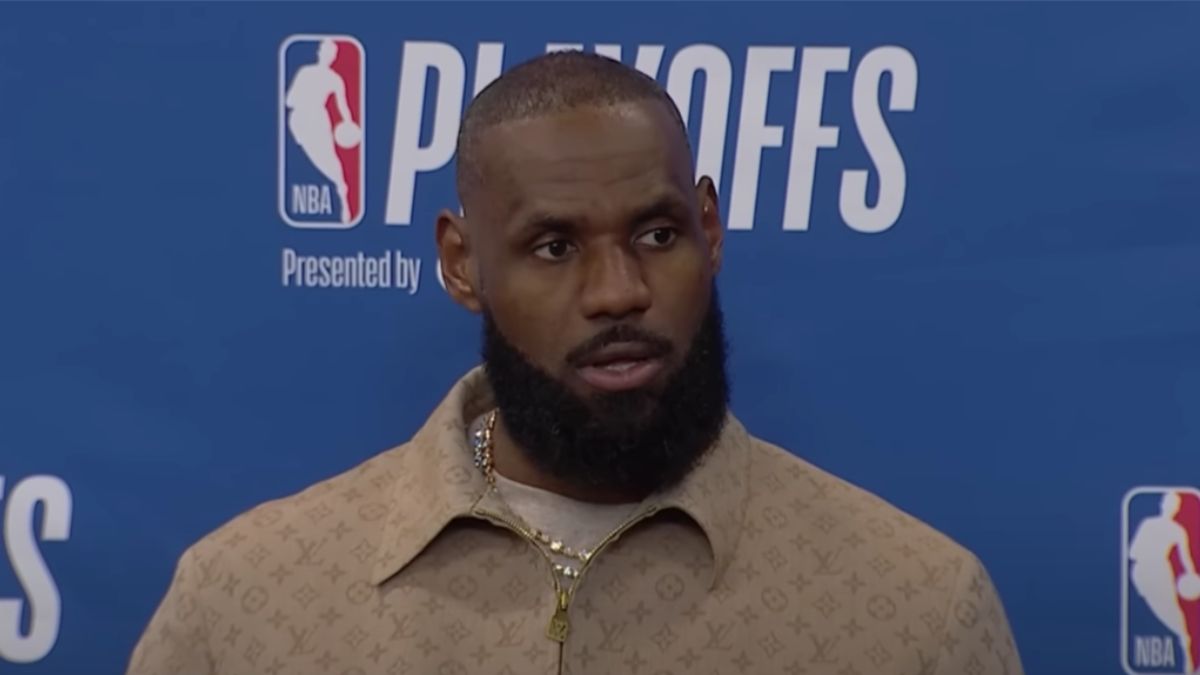
LeBron James is still playing, yet his business moves already show how to build fortunes early and intentionally. He earns massive sums from contracts and endorsements, but he also has stakes in media production (through SpringHill), investments in tech, deals with brands, and sports ownership ambitions. His strategy includes equity in rising companies, real estate, and creating content that begins to define culture (films, documentaries, etc.). LeBron demonstrates that fortunes don’t require retirement to begin—they can grow in parallel with a sports career. From shoes to studios, he treats each opportunity like a foundation for what comes after.
5. Roger Federer: Tennis Legend, Billionaire Investor
View this post on Instagram
Roger Federer’s fortune is built on global brand appeal and smart investment moves. Beyond his prize money, contracts with major sponsors like Uniqlo, Rolex, Mercedes, and Lindt helped build his fortune. He also acquired equity stakes in companies—such as his investment in On, the sportswear company—which multiplied over time. Retired from tennis, Federer continues to generate income through his brand, endorsements, and ownership stakes. His path shows how an athlete’s fortunes can endure well after athletic prime when paired with a global audience and equity stakes.
6. Junior Bridgeman: From NBA Player to Fast Food King

Junior Bridgeman may not be the first name people think of, but he’s an under-the-radar example of a fortune built carefully. His NBA career never paid what players earn today, but Bridgeman used his earnings wisely: investing in fast food restaurant franchises, beverage bottling, and media brands. He owned hundreds of fast food establishments (Wendy’s, Chili’s, etc.), transitioned into supply chain and distribution, and even acquired Jet and Ebony magazines. His wealth grew quietly but significantly, making him one of the wealthiest former athletes in the U.S. Bridgeman’s story shows that consistent, intelligent investment can produce athlete fortunes even without superstar contracts.
What Defines Lasting Athlete Fortunes
What all six have in common: they used their platforms to think beyond the scoreboard. They invested early, diversified across industries (ownership, endorsements, real estate, media), and built for long-term value. They also recognized the risk of relying solely on sports earnings and planned for the next phase of life. While fame helped open doors, what sustained their wealth was smart decisions, strong partners, and leveraging fan loyalty and brand trust. If you’re looking to build something lasting—whether you’re an athlete, entrepreneur, or just someone interested in legacy—these stories offer more than inspiration; they point toward strategy.
Which athlete’s fortune surprised you the most—and what business move from these stars do you think was the smartest? Share your thoughts in the comments below.
What to Read Next
- 10 Surprising Athletes Worth Over $40 Million
- Did Politics Make Charlie Kirk Rich? A Look at His Financial Empire
- 5 Billion‑Dollar Athletes Who Beat the Odds
- Did Charlie Kirk Build a Movement That Outlives Him?
- 6 Star Athletes Who Are Now Real Estate Moguls

Amanda Blankenship is the Chief Editor for District Media. She frequently writes for a handful of blogs and loves to share her own personal finance story with others. When she isn’t typing away at her desk, she enjoys spending time with her daughter, son, husband, and dog. During her free time, you’re likely to find her with her nose in a book, hiking, or playing RPG video games.