10 Underappreciated Athletes Who’ve Became Business Tycoons

athlete entrepreneurs
Image Source: Shutterstock

While stars like Michael Jordan and LeBron James dominate headlines for their billion-dollar empires, many lesser-known athletes have quietly built impressive fortunes off the field. These underappreciated sports figures used discipline, vision, and brand savvy to transform their athletic success into business dominance. From real estate moguls to tech investors, they prove that success doesn’t end when the final whistle blows. Their stories show how athletes can evolve into powerful entrepreneurs when they channel the same drive that made them great competitors. Let’s look at ten athletes who turned overlooked careers into thriving business empires.

1. Venus Williams — From Tennis Court to Corporate Boardroom

Venus Williams is often overshadowed by her sister Serena, but her business acumen deserves just as much recognition. She founded EleVen by Venus, a successful activewear brand, and also runs V Starr Interiors, an interior design firm that’s worked with major hotel chains. Her portfolio extends into wellness and media, reflecting her strategic approach to brand longevity. Venus built her companies around empowerment, proving athletes can use their platforms to promote lifestyle, not just performance. Her entrepreneurial vision has made her one of the most successful female athletes in business.

2. Nnamdi Asomugha — NFL Cornerback Turned Producer

Best known for his shutdown defense in the NFL, Nnamdi Asomugha has quietly become a force in Hollywood. After retiring from football, he co-founded a production company and produced award-nominated films such as Harriet and Sylvie’s Love. Asomugha’s eye for meaningful storytelling has earned him critical acclaim and respect beyond sports circles. His business success comes from translating discipline and focus from the field to film. He’s proof that smart reinvention can create a second act as powerful as the first.

3. Alex Rodriguez — The Reinvention of A-Rod

Though his baseball career was controversial, Alex Rodriguez rebuilt his image through bold investments. His firm, A-Rod Corp, manages ventures in real estate, fitness, and technology, helping grow a portfolio worth hundreds of millions. A-Rod’s keen business sense helped him recover from scandals and become a respected investor. He’s also a co-owner of the NBA’s Minnesota Timberwolves, diversifying his influence across industries. His turnaround story shows that reputation can be rebuilt with a smart business strategy and persistence.

4. Shaquille O’Neal — The Ultimate Franchise King

While Shaq’s personality made him a global icon, his business savvy made him a multimillionaire mogul. He invested early in franchises like Five Guys, Papa John’s, and Auntie Anne’s, owning hundreds of locations nationwide. His portfolio also includes tech ventures, real estate, and even a major role on the board of Papa John’s. Shaq approaches investing with humor and humility but operates with serious financial intelligence. He turned his charisma into a brand that consumers—and corporations—trust.

5. Maria Sharapova — From Grand Slams to Sweet Success

Maria Sharapova turned her fame and precision from tennis into a thriving candy company, Sugarpova. What started as a boutique confectionery evolved into a multimillion-dollar global brand sold in over 30 countries. Beyond sweets, she’s made strategic investments in wellness and tech startups. Her approach to branding emphasizes authenticity and lifestyle over celebrity endorsement. Sharapova’s sharp marketing instincts have helped her outperform many of her higher-profile peers in post-career business ventures.

6. Magic Johnson — The Visionary Behind Urban Renewal

Magic Johnson is best known for his Lakers legacy, but his business empire might be even more impressive. Through Magic Johnson Enterprises, he’s invested in movie theaters, Starbucks franchises, and real estate projects revitalizing urban communities. His ability to bridge culture and commerce made him one of America’s most influential Black entrepreneurs. Johnson also became a part-owner of several sports franchises, including the Los Angeles Dodgers. His career shows how community-driven business can yield both impact and profit.

7. Carmelo Anthony — Investing With Purpose

While Carmelo Anthony’s NBA career earned respect, his business foresight might be his true legacy. Through Melo7 Tech Partners, he’s invested in emerging industries like digital media, sports tech, and fashion. His strategy focuses on long-term innovation rather than flashy returns. Anthony also promotes financial literacy among athletes, using his platform to educate about wealth building. He’s become a model for the modern athlete who sees beyond the game into generational impact.

8. Roger Staubach — The NFL’s Real Estate Pioneer

Long before multimillion-dollar athlete contracts were common, Roger Staubach built his fortune through real estate. After retiring from football, he launched The Staubach Company, which became one of the nation’s leading commercial real estate firms. In 2008, he sold it to Jones Lang LaSalle for over $600 million. Staubach’s story proves that financial success isn’t limited to today’s endorsement-rich athletes. His foresight made him one of the first sports figures to master post-career wealth creation.

9. Abby Wambach — Championing Leadership and Investment

Soccer legend Abby Wambach transitioned from the pitch to powerful entrepreneurship. She co-founded Angel City FC, the first majority-female-owned professional soccer team, and launched Wolfpack Endeavor, an organization promoting leadership equality. Her work emphasizes inclusion, mentorship, and social entrepreneurship. Wambach invests in startups that align with her advocacy for women and LGBTQ+ communities. She’s using her influence to change how business and leadership look in sports.

10. Blake Griffin — The Comedian Investor

Former NBA star Blake Griffin has built an unlikely but successful career blending comedy, entertainment, and investing. He founded a production company focusing on humor-driven content while also backing tech startups and wellness brands. His smart diversification shows how athletes can build sustainable careers outside traditional endorsements. Griffin’s humor and intellect give him a unique edge in connecting with younger audiences and innovative businesses. He’s redefining what “athlete entrepreneur” means in the digital age.

The Mindset That Turns Athletes Into Entrepreneurs

These athletes share a common trait—discipline that extends far beyond sports. They used the same focus that fueled championships to master markets, branding, and innovation. What sets them apart isn’t fame, but adaptability and a hunger to keep learning. Their paths prove that success isn’t limited to highlight reels—it’s built through resilience and vision. For anyone chasing a second act, these underappreciated legends are living proof that greatness doesn’t retire—it reinvents itself.

Which athlete-turned-entrepreneur do you think deserves more credit for their business success? Share your thoughts in the comments below.

What to Read Next

8 Rising Stars in Women’s Sports and Their Surprising Net Worths

When we hear “rising star in women’s sports,” we often think of youth, potential, and future earnings. But some of these athletes are already commanding surprising net worths, thanks to endorsements, media deals, and NIL (Name, Image, & Likeness) contracts. Recognizing these players now gives you insight into both the evolution of women’s sports and the new financial opportunities in play. Below are eight up-and-coming women athletes whose current net worths may surprise you (and hint at what’s possible).

1. JuJu Watkins


View this post on Instagram


A post shared by Juju Watkins (@jujubballin)

JuJu Watkins has exploded onto the scene as a guard for USC, showing poise, scoring ability, and star power. According to recent NIL valuations, her worth is estimated in the ballpark of $739,000 as of 2025. Her rising profile draws endorsement interest and social media influence that amplify her earnings beyond just on-court performance. What’s exciting is how she’s leveraging her personality, brand, and university platform to monetize early. For fans, watching her climb means watching not just athletic growth but business acumen too.

2. Jada Williams


View this post on Instagram


A post shared by Jada Williams (@cbg.jada24)

Jada Williams, a standout at Arizona (and formerly Iowa State), is already seeing NIL valuations in the upper six figures (about $421,000 in some reports). She’s using her on-court excellence and marketable image to build income apart from just scoring buckets. Williams demonstrates how rising women athletes can shape their brand before even turning pro. Her net worth reflects not only talent but also early entrepreneurial strategy. It signals a shift: athletic promise is increasingly accompanied by business savvy.

3. Flau’jae Johnson

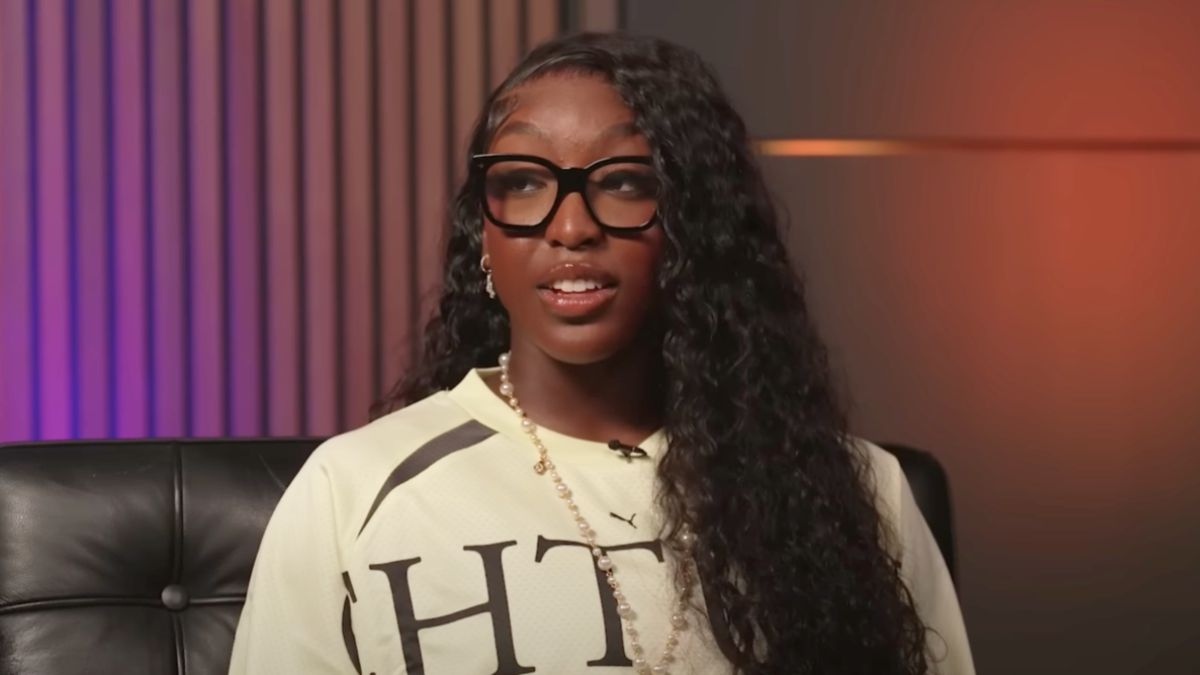
rising women athletes - Flau’jae Johnson - Club Shay Shay
Image Source: YouTube/Club Shay Shay

Flau’jae Johnson, known for her skills on the basketball court at LSU, also has a music career that boosts her marketability. Her NIL valuation reportedly reaches $1.5 million, making her one of the top names in female college sports. Her ability to straddle athletics and entertainment shows how multidimensional rising women athletes are becoming. That dual path magnifies her exposure, increases sponsorship appeal, and diversifies her income streams. Johnson’s net worth underscores the power of being more than “just an athlete.”

4. Coco Gauff


View this post on Instagram


A post shared by Coco Gauff (@cocogauff)

While Coco Gauff is no longer exactly “rising” in the sense of unknown, she still perfectly embodies a young star whose net worth surprised many early on. Her 2024 earnings reportedly hit $30.4 million, combining prize money and endorsements. Though she was a teenager when her influence exploded, her current position reminds us how quickly net worths can climb in elite women’s sports. Gauff’s career trajectory offers a roadmap: dominance on court, global brand appeal, and financial success. She sets a benchmark for newer rising stars to aim at.

5. Eileen Gu


View this post on Instagram


A post shared by Eileen 🖤🌈🧊🐲 (@eileengu)

Eileen Gu competes in freestyle skiing and has become one of the most marketable athletes in multiple countries. Her 2024 earnings reportedly reached $22.1 million, largely driven by endorsements rather than prize winnings. Her cross-cultural appeal (Chinese and American) allows her to capitalize on global brand deals. Her success reveals how niche sports can also produce major net worths when leveraged properly. She shows rising women athletes that market reach matters just as much as medal count.

6. Iga Świątek


View this post on Instagram


A post shared by Iga Świątek (@iga.swiatek)

Iga Świątek, currently among the top in women’s tennis, continues to build both performance and net worth. Her 2024 combined earnings were estimated at $21.4 million, blending prize money and sponsorship revenue. Her consistent dominance and media presence make her a favorite for brands. For rising players, Świątek’s success proves that steady excellence can build financial stability. Her example encourages young athletes to think long-term. Performance + brand = net worth growth.

7. Sha’Carri Richardson

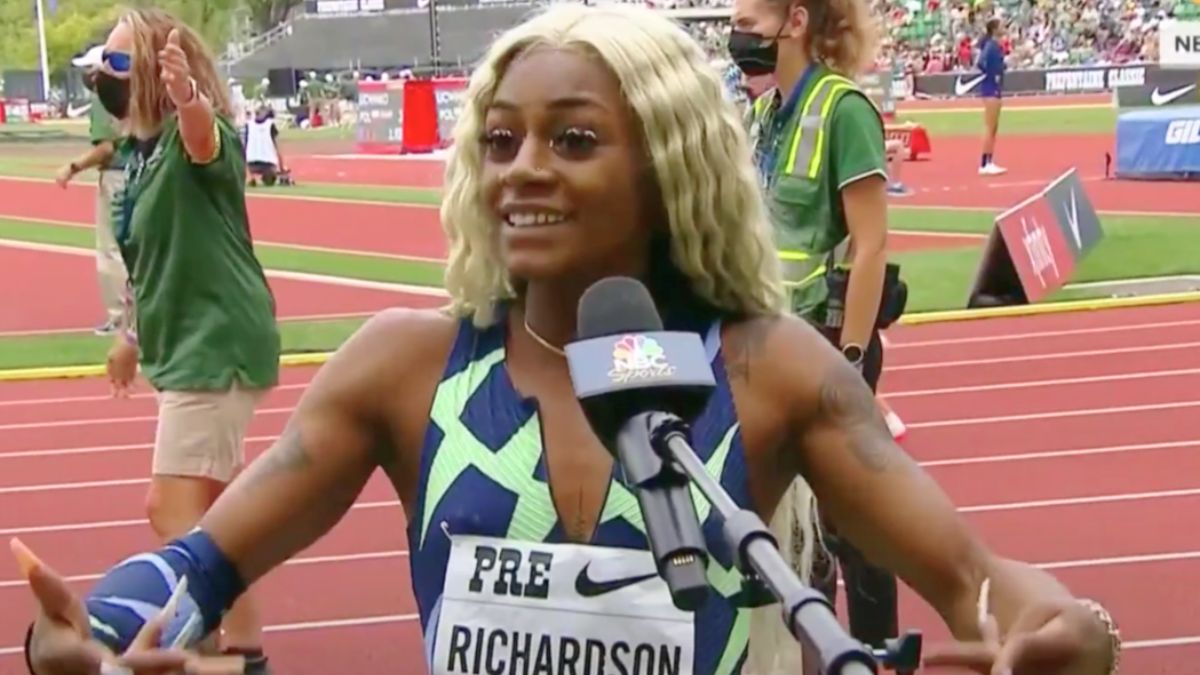
rising women athletes - Sha’Carri Richardson - TODAY
Image Source: YouTube/TODAY

In track and field, Sha’Carri Richardson has become one of the fastest female sprinters and an engaging personality. Her net worth is estimated at around $4 million, riding success on the track and off via endorsements. Richardson’s bold style, expressive identity, and media presence amplify her earning potential. For rising women athletes in individual sports, she’s a case study in turning performance into brand equity. Her financials prove you don’t have to be in a “big revenue sport” to earn big.

8. Faith Kipyegon


View this post on Instagram


A post shared by Faith Kipyegon (@faithkipyegon)

Faith Kipyegon, one of the world’s top middle-distance runners, is slowly emerging not just as a track legend but as a rising net worth presence. Her net worth is estimated to be about $5 million as of 2025, pulling from race winnings, endorsements, and her growing reputation. In a sport where prize money is often lower than in others, Kipyegon’s earnings show how dominance plus consistency can build value. Her case underscores a truth: even in less glamorous disciplines, rising women athletes can build strong financial futures. She’s proof that performance in lesser-celebrated venues still pays.

What Their Success Signals for the Future

The net worths of these rising women athletes tell us something important: the gap between talent and earnings is shrinking. As NIL, endorsements, media, and social platforms evolve, more rising women athletes can monetize earlier and more diversely. Their stories teach aspiring athletes that performance must pair with brand strategy. The future of women’s sports will be shaped not just by records and championships, but by who builds lasting financial foundations.

So tell me: which of these rising athletes surprised you the most? Or do you know another rising woman athlete with a net worth story worth sharing? Drop your picks and thoughts in the comments below!

What to Read Next

5 Underrated Athletes Who’ve Quietly Built $50M+ Fortunes

You don’t need to be a global superstar to rack up serious wealth—some athletes fly under the mainstream radar while building impressive financial empires. The advantage? Fewer distractions, more control over off-field ventures, and stealth growth. Here’s a look at five underrated athletes who’ve quietly built $50M+ fortunes, and see how they leveraged business acumen, branding, or smart investing. Their stories offer lessons for any athlete (or non-athlete) aiming to turn talent into lasting wealth.

1. Justin Rose


View this post on Instagram


A post shared by Justin ROSE (@justinprose99)

Justin Rose quietly turned his golf success into a $50 million (or more) fortune while staying under the typical celebrity radar. His steady consistency on the international golf circuit gave him a reliable foundation. He supplemented that with endorsements, equity deals, and careful branding. Though not always in the spotlight compared to Tiger Woods or Rory McIlroy, his net worth reflects disciplined wealth building. Rose’s trajectory proves that being underrated doesn’t mean under-earning.

2. Ndamukong Suh


View this post on Instagram


A post shared by Ndamukong Suh (@ndamukongsuh)

Ndamukong Suh was never a flashy quarterback, yet he parlayed his NFL success into major financial gains. After huge contracts on the field, he branched into entrepreneurship, real estate, and investments. He launched House of Spears, a family office, and diversified into hospitality and property. His post-play portfolio boost helps push his net worth well beyond playing pay. Suh’s example shows how underrated athletes can shift from performance to asset management.

3. Junior Bridgeman

athlete business - Junior Bridgeman - Earn Your Leisure
Image Source: YouTube/Earn Your Leisure

Junior Bridgeman is perhaps the gold standard of underrated athletes making massive fortunes off the court. During his NBA years, he never earned blockbuster salaries—but he invested carefully and bought fast food franchises in his off-seasons. Over time, his empire grew to include hundreds of restaurants, a Coca-Cola bottling business, and media holdings. He eventually surpassed billionaire status, despite never dominating headlines as a player. Bridgeman’s legacy is proof: long game + smart reinvestment = generational wealth.

4. Roger Federer

Roger Federer's net worth - ESPN
Image Source: YouTube/ESPN

Roger Federer is widely admired for his tennis legacy, but his financial empire often flies under casual sports radar. Beyond prize money, he invested early in the performance brand On Running, where he still holds significant equity. That stake exploded in value once the company went public, making Federer’s off-court returns a major driver of his wealth. Despite his star status in tennis, his business savvy often gets less attention than his racquet. His journey is a model for how underrated athletes can scale wealth via equity, not just contracts.

5. Serena Williams

famous siblings earnings - Serena and Venus Williams - TODAY
Image Source: YouTube/TODAY

While her on-court dominance is obvious, many still underestimate how deeply Serena Williams built her fortune via investment. Through Serena Ventures, she has backed more than 30 startups, especially those led by women and underrepresented founders. She also holds equity in consumer brands, media, and tech companies. Her off-court hustle contributes substantially to her net worth beyond tennis glory. Serena shows how underrated athletes can lean into riskier ventures, not just sponsorships.

What Ties These Underrated Athletes Together

What unites these underrated athletes is not necessarily headline fame—but ambition, discipline, and strategic thinking. Each treated their sporting career as a platform, not the final stage. They reinvested earnings into diversified assets, equity stakes, real estate, or business ownership. They avoided overexposure to debt or lifestyle inflation. Most importantly, they thought long-term—with patience as a core strategy.

Which of these athlete stories surprised you most—or did you know someone who quietly built a fortune that way? Drop your thoughts or your own favorite underdog wealth story in the comments!

What to Read Next

Could Carlos Alcaraz Be the Most Financially Savvy 22‑Year‑Old in Sports?

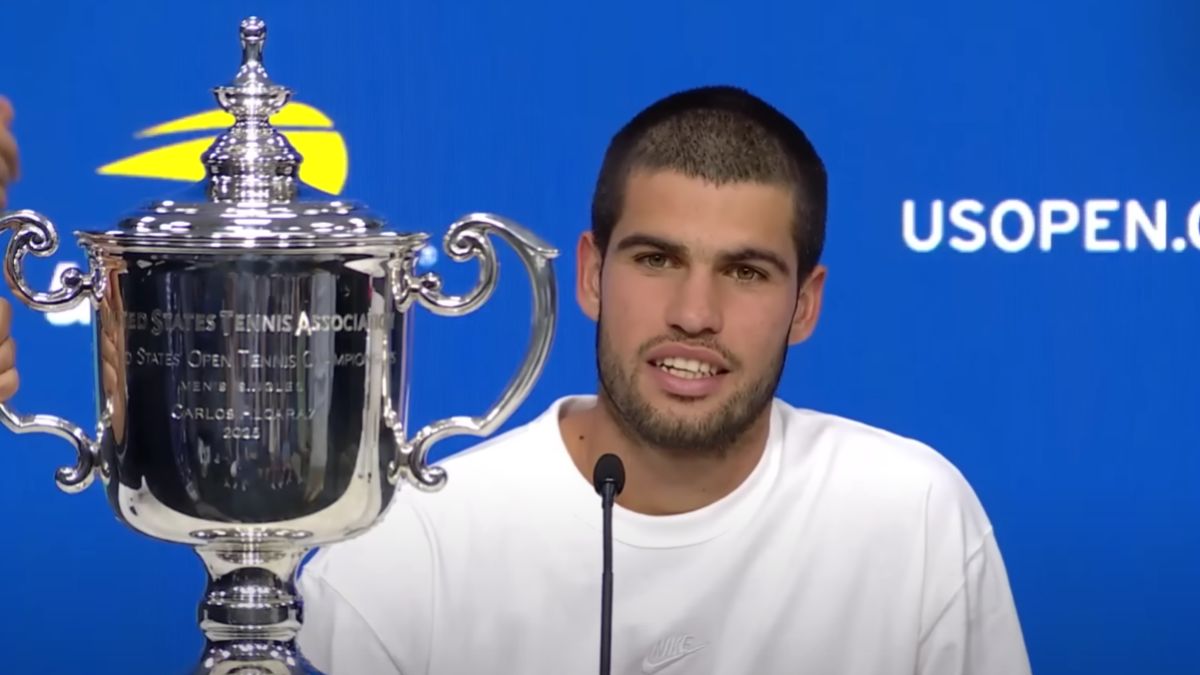
financially savvy - Carlos Alcaraz
Image Source: YouTube/US Open Tennis Championships

At just 22, Carlos Alcaraz is already a tennis phenom with multiple Grand Slam titles, but his financial moves may be what set him apart even more. Because while most young athletes focus purely on performance, Alcaraz seems to be building an off-court strategy that’s equally strong—endorsement deals, brand visibility, and income streams that look well diversified. If he maintains this path, he might not only dominate tennis but also the business side of sports. For fans, young athletes, or anyone interested in smart money, there’s a benefit in seeing what Alcaraz is doing that others aren’t. Here’s how he stacks up, what seems smart, and what the risks are.

Prize Money Versus Endorsement Power

One of the first signs of financial savvy in Carlos Alcaraz is how much he earns from sponsors compared to what he wins on court. In 2024, Alcaraz reportedly earned $42.3 million, but only about $10.3 million of that came from prize money; the rest came from endorsement and sponsorship deals. That ratio shows that he isn’t relying just on match wins—he’s leveraging brand power for stability and income. Many athletes at his level still depend mostly on tournament earnings, which fluctuate with performance and injuries. Alcaraz, however, seems to be building a financial buffer via non-play revenue, which is a hallmark of long-term financial planning.

Smart Brand Alignments

Another indicator of savvy is what companies Alcaraz partners with, not just how many. He has deals with big names like Nike, Rolex, Louis Vuitton, BMW, Babolat, and several lifestyle and consumer brands. These are luxury or high-visibility brands, which tend to pay more and expect visibility, prestige, and a stable reputation in return. Alcaraz seems to choose brands that align with a clean public image and global appeal—this increases his leverage. Also, his brand deals appear to be long-term or multi-year, reducing the risk that comes from one-off deals. That kind of cautious choice often distinguishes athletes who maximize financial earnings across a long career from those who burn bright but fizzle out.

Leveraging Popularity & Media Presence

Off the court, Alcaraz has been growing his social media following, media appearances, and global visibility, which boosts his earning potential. For example, his partnerships are more than logos—they often involve marketing campaigns, visibility in high-impact events, and sometimes exclusivity provisions (where his image or uniforms/promos are everywhere). That media multiplier effect—where every win, every appearance, every video gets amplified—is valuable to sponsors. It suggests Alcaraz understands that his brand is not just tennis skill, but public persona—and that investing in visibility can return dividends. Many athletes under-25 don’t treat media presence this strategically—it seems Alcaraz is doing that.

Diversification & Long-Term Investments

Financial prudence often comes from not putting all your eggs in one basket, and Alcaraz seems to show signs of that. Reports indicate he is investing in real estate (homes in his native Spain and elsewhere) and making moves to build asset stability. Also, his endorsement income gives him freedom beyond performance; injuries, losses, or upsets won’t cut all his income immediately. He’s young enough to take some risks, but already making moves that protect his future. For example, brand deals that last many years, high-visibility contracts, and property holdings—these are ways to lock in value. Those are traits often seen not just in good athletes, but good financial managers.

Risks, Challenges, and What Could Go Wrong

Even with all this, being “financially savvy” isn’t guaranteed forever; many things can go wrong. Alcaraz relies on physical performance: injury, loss of form, or burnout could reduce his ability to earn prize money or maintain sponsor appeal. Also, fame comes with scrutiny—if any scandal or negative publicity arises, even if unfair, it could damage some deals. Luxury brand endorsements can sometimes become volatile—companies might cut budgets, shift their marketing focuses, or be affected by macroeconomic downturns. Tax, lifestyle expenses, management fees, and investment risks also eat into gross earnings; how prudently Alcaraz manages those will matter a lot. So while many early signs point to financial wisdom, execution over time will test how savvy the strategy truly is.

What We Learn if He’s Doing It Right

If Carlos Alcaraz is as financially savvy as he appears, it means several truths about sports careers today: that off-court income matters just as much as wins, that athlete branding is more about consistency and visibility than just performance, and that young stars who plan ahead set themselves apart. For fans or aspiring athletes, the big takeaway is that performance is foundational—but without smart brand deals, diversified income, and long-term investments, even great players can lose ground. Alcaraz seems to understand that. If he continues on this trajectory—keeping endorsements strong, staying healthy, maintaining visibility—he might not just be one of the best tennis players, but also one of the most financially solid young athletes in sports history.

Do you think Carlos Alcaraz could become the model for how young athletes balance financial success and athletic greatness? Or do you see someone else doing it more impressively? Share your thoughts and comparisons in the comments!

You May Also Like

All content on Plunged in Debt is for entertainment purposes only. By reading this blog, you agree that Plunged in Debt is not responsible for any actions taken after reading this blog. For the full disclaimer.

Financial Disclaimer

Please note that Plunged in Debt has financial relationships with some of the merchants mentioned here. Plunged in Debt is funded by banner advertising, commission sales and search optimization consulting. Plunged in Debt is operated by Novara Unlimited LLC.