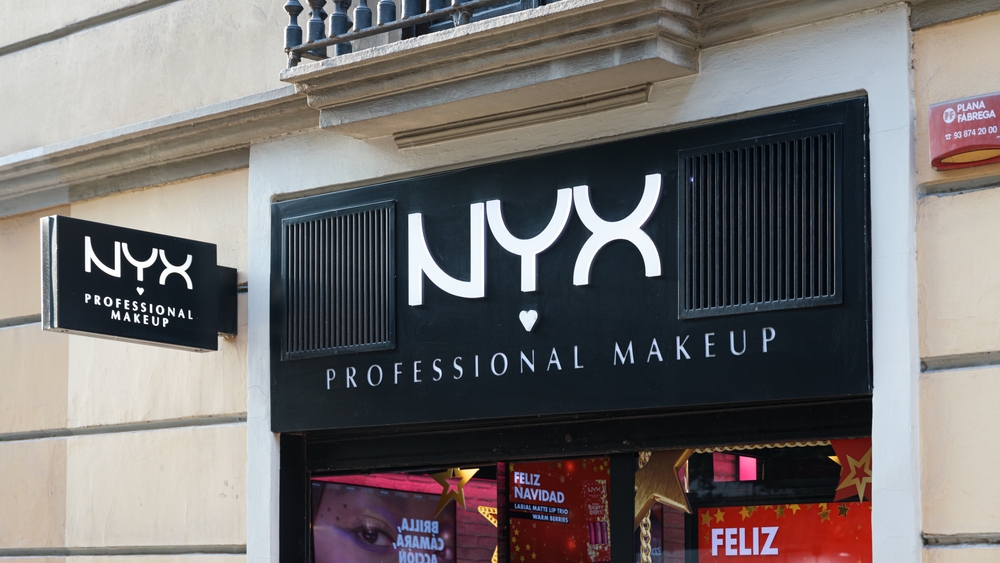
Toni Ko’s story isn’t just a tale of business success—it’s proof that understanding your audience can change your life. As the founder of NYX Cosmetics, she turned a $250,000 startup investment into a global beauty brand worth hundreds of millions. When L’Oréal purchased NYX in 2014 for an estimated $500 million, Ko became one of the most celebrated self-made women in the beauty industry. But her journey wasn’t about luck—it was about spotting a gap in the market and delivering exactly what customers wanted. The rise of Toni Ko NYX Cosmetics is a masterclass in strategic entrepreneurship and modern branding.
Spotting a Gap in the Beauty Market
In the early 2000s, makeup was divided into two extremes: drugstore brands that lacked quality and high-end products that came with steep price tags. Toni Ko, a Korean-American entrepreneur raised in Los Angeles, saw a clear opportunity in the middle. She realized that everyday consumers wanted professional-quality makeup without spending $30 on a lipstick. With that insight, she launched NYX Cosmetics in 1999 from a small office in California. Her mission was simple but powerful—create affordable luxury that performed like the big brands.
Building NYX with Street Smarts and Strategy
Ko didn’t rely on celebrity endorsements or massive ad budgets. Instead, she focused on word-of-mouth marketing and creating products that truly delivered results. Her first breakout item—a $1.99 eyeliner that rivaled luxury brands—spread quickly among makeup artists and everyday shoppers alike. She reinvested profits into expanding the line, keeping prices low while improving packaging and formulas. By staying close to her customers, she built fierce loyalty that money couldn’t buy. This grassroots approach became one of the defining pillars of Toni Ko NYX Cosmetics’ success.
The Power of Timing and Social Media Influence
As social media platforms like YouTube and Instagram began to take off, NYX was one of the first brands to capitalize on influencer culture. Beauty vloggers started reviewing and recommending NYX products organically, giving the brand massive exposure without traditional advertising. Ko recognized this trend early and sent free products to creators, building partnerships before “influencer marketing” was even a buzzword. This strategy positioned NYX as an authentic, trend-driven brand loved by the online beauty community. For Ko, understanding digital culture was just as crucial as understanding cosmetics.
The Big Break: L’Oréal Comes Calling
By 2014, NYX had become a phenomenon—sold in over 70 countries and generating millions in annual revenue. That same year, L’Oréal saw the potential and acquired the company for a reported $500 million. The sale marked one of the biggest independent brand acquisitions in the beauty industry at the time. For Ko, it was a bittersweet moment—her years of work had paid off, but she also knew she’d have to step away due to non-compete agreements. Still, the deal cemented her place as a visionary in the beauty world and proved the power of building a brand rooted in accessibility.
Finding Purpose After the Payoff
After selling NYX Cosmetics, Toni Ko faced an unexpected challenge—figuring out what came next. Despite her wealth, she felt restless and missed the creative energy of entrepreneurship. That led her to launch a new venture: Perverse Sunglasses, a fashion-forward eyewear brand inspired by the same philosophy—affordable luxury. Although the company didn’t replicate NYX’s success, it reignited her passion for innovation. Ko later shifted her focus to Butter Ventures, an investment firm supporting other female-led startups. Her journey showed that success isn’t about one big win—it’s about staying curious and adaptable.
Lessons Entrepreneurs Can Learn from Toni Ko
Toni Ko’s career offers timeless lessons for anyone chasing a business dream. First, find a genuine gap in the market instead of trying to compete directly with giants. Second, know your audience better than your competitors do—NYX thrived because Ko built for real people, not just profit margins. Third, embrace digital trends early; social media turned NYX into a global name before most brands understood its potential. And finally, remember that success is cyclical—even after selling her company, Ko kept building, mentoring, and investing in others. The Toni Ko NYX Cosmetics story proves that entrepreneurship is a mindset, not a moment.
Toni Ko’s Legacy: More Than Makeup
Toni Ko didn’t just create a cosmetics line—she helped redefine what affordable beauty could be. Her journey from small business owner to multimillionaire investor reflects the evolution of modern entrepreneurship itself. By staying authentic, customer-focused, and adaptable, she turned a humble idea into a half-billion-dollar legacy. Today, her story continues to inspire women, immigrants, and dreamers everywhere who believe they can turn passion into success. In the end, Toni Ko’s real product wasn’t makeup—it was empowerment.
What do you think is Toni Ko’s greatest legacy—her business success or her commitment to empowering women in entrepreneurship? Share your thoughts below!
What to Read Next
- Is Roger Federer A Billionaire? Here’s His Net Worth
- 5 Billion‑Dollar Athletes Who Beat the Odds
- P Diddy’s Net Worth: A Billionaire’s Surprising Downfall
- 5 Musicians Who Made More From Startups Than Their Music Catalogs
- 5 Tech Entrepreneurs Who Built Fortunes From Modest Online Startups

Amanda Blankenship is the Chief Editor for District Media. She frequently writes for a handful of blogs and loves to share her own personal finance story with others. When she isn’t typing away at her desk, she enjoys spending time with her daughter, son, husband, and dog. During her free time, you’re likely to find her with her nose in a book, hiking, or playing RPG video games.