5 Artists Who Make More from Licensing Deals Than Concerts

In today’s music industry, it’s easy to assume concert tickets are the big money-maker, but that’s not always true. For some artists, licensing deals—where their songs are used in films, ads, or video games—beat tour earnings. Licensing deals offer large, upfront payments and steady royalties without the costs of riding a tour bus. For fans and up-and-coming musicians, understanding who profits most from licensing deals helps reveal how the business really works. Here are five artists turning sync licensing into their main revenue stream.

1. Kate Bush — Netflix Revival Changed Everything

licensing deals - Kate Bush
By Guido Harari; Distributed by <a class="extiw" title="w:EMI America" href="https://en.wikipedia.org/wiki/EMI_America">EMI America</a> – <a class="external text" href="https://www.worthpoint.com/worthopedia/1986-press-photo-kate-bushs-latest-1835701232" rel="nofollow">Worthpoint</a>, <a class="external text" href="https://www.worthpoint.com/worthopedia/kate-bush-hounds-love-signed-photo-3889877874" rel="nofollow">Worthpoint 2</a>, <a class="external text" href="https://www.ebay.com/itm/235339856060" rel="nofollow">ebay</a>, <a class="external text" href="https://i.ebayimg.com/images/g/rbMAAOSwYrZld15E/s-l1600.jpg" rel="nofollow">Close-up</a>, Public Domain, <a href="https://commons.wikimedia.org/w/index.php?curid=143669972">Link</a>

When Netflix’s Stranger Things synced her song “Running Up That Hill,” Kate Bush saw a massive resurgence and chart success. That single sync moment brought huge licensing fees and renewed streaming activity, likely exceeding anything from concerts. Bush doesn’t tour, so sync becomes a major income source. It’s a prime example of how high-profile sync placements can eclipse live revenues. Licensing deals keep her legacy—and bank account—alive.

2. Vo Williams — Sync Licensing Powerhouse


View this post on Instagram


A post shared by Vo Williams (@thisisvo)

Vo Williams, a hip‑hop artist, has landed over 3,000 sync placements, including NBA and MLB team themes. Those placements in sports broadcasts and promos likely bring more income than small club shows ever could. Each sync deal typically pays tens of thousands upfront plus backend performance royalties. His model proves that collective licensing deal volume can outpace live performance revenue. Vo has made licensing deals his music career’s financial anchor.

3. David Bowie Estate — Catalog Deal Bonanza


View this post on Instagram


A post shared by David Bowie (@davidbowie)

While David Bowie didn’t exactly tour posthumously, his estate’s 2024 licensing deal was huge—it sold Queen’s catalog for $1.27 billion. This kind of catalog licensing deal dwarfs even massive arena tours in value. Licensing these works for movies, shows, and commercials now becomes a passive revenue goldmine. That’s how licensing deals can globally out-earn tours. It’s wealth built to last.

4. Bob Dylan — Sync Isn’t Just Songwriting Now

Bob Dylan licensing deals
By <a class="external text" href="https://www.flickr.com/people/69880995@N04" rel="nofollow">Raph_PH</a> – <a class="external text" href="https://www.flickr.com/photos/raph_ph/52246124397/" rel="nofollow">DylanYoungKilkenny140719v2 (50 of 52)</a>, <a title="Creative Commons Attribution 2.0" href="https://creativecommons.org/licenses/by/2.0">CC BY 2.0</a>, <a href="https://commons.wikimedia.org/w/index.php?curid=153840966">Link</a>

Bob Dylan’s catalog—including his songwriting and master recordings—has drawn licensing deals worth hundreds of millions. Dylan rarely toured late in his career, but sync placements in commercials and films continue to pay handsomely. Licensing deals tied to his name have surpassed any recent concert revenue. His example shows how enduring hits can monetize through sync long after tours end. Licensing deals keep legacy artists audible and profitable.

5. Drake — Master Deal Over Tours?


View this post on Instagram


A post shared by champagnepapi (@champagnepapi)

Drake’s record-breaking single-year earnings deals help illustrate the shift in artist revenue structure. He’s signed multi-rights catalog deals worth hundreds of millions, swapping master ownership for big upfront checks. Licensing deals—on ads, streaming, spin-offs—fuel this financial strategy. While tours earn him large paydays, catalog licensing deals provide reliable, ongoing income with none of the touring hassle. Licensing deals offer financial leverage beyond stage lights.

Why Licensing Deals Outshine Touring

Licensing deals often provide large upfront fees—sometimes tens or hundreds of thousands per placement. They also generate recurring performance royalties through platforms like SoundExchange and PROs. Unlike touring, licensing deals don’t carry travel, production, or staffing costs. Plus, catalog licensing from big estates or superstars can out-value any tour’s earnings. Ultimately, licensing deals offer artists and estates a powerful and efficient income stream.

Touring vs Licensing: A New Music Economy

For emerging artists, touring can launch visibility and merch sales, but licensing deals bring high-value stability. With streaming royalties low, sync placements are becoming the new gold standard for income. Even mid-tier artists find licensing deals sustain them year-round, beyond tour cycles. As the industry evolves, smart catalog management and sync-friendly songwriting are becoming career essentials. In today’s landscape, licensing deals may be every artist’s real headline act.

Which artist surprised you most by earning more from licensing deals than tours? Have you discovered a powerhouse sync placement that changed everything? Share your thoughts below!

Read More

The 5 Most Underrated TV Dads of All Time

These Indie Artists Are Quietly Worth Millions—and You’ve Never Heard Their Names

Bad Bunny’s Net Worth: What He Spends Millions On Might Surprise You

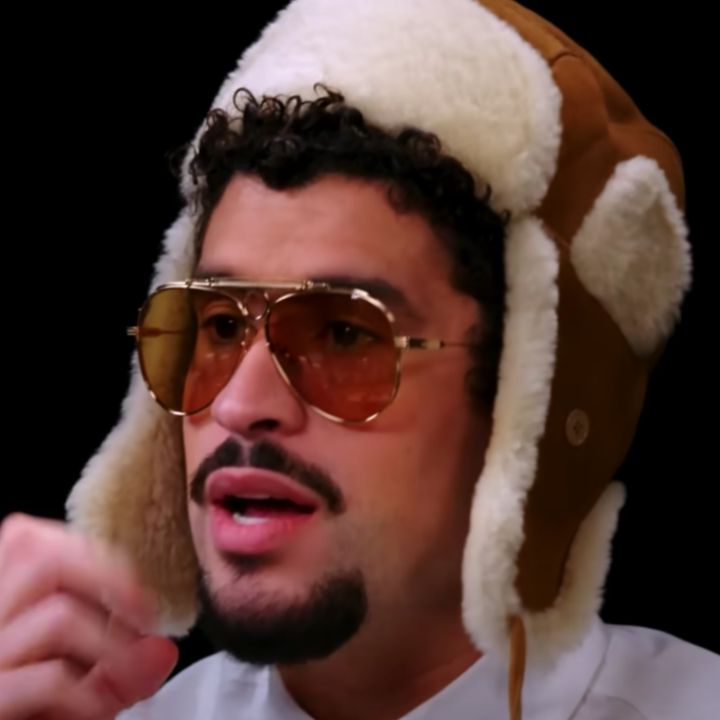
Bad Bunny's net worth - First We Feast
Image Source: YouTube/First We Feast

Bad Bunny’s meteoric rise isn’t just a headline—it’s proof of how talent and strategy can pay off big. With two world-spanning 2022 tours alone fueling an $88 million year, his bank account has very little to complain about. But what makes this figure more interesting is what he does with the money—his lifestyle is as legendary as his music. So, what is Bad Bunny’s net worth? Here’s what you need to know.

Stadium-Topping Tours and Residencies

Touring is the biggest money maker for modern artists, and Bad Bunny is the king. His 2022 “World’s Hottest Tour” grossed $314 million, and his Most Wanted Tour in 2024 brought in over $211 million from 753,000 tickets. In 2025, he’s headlining a massive stadium world tour and a 30-show residency in Puerto Rico, both projected to add tens of millions more. That tour revenue dominates the backbone of Bad Bunny’s net worth. And with stadiums selling out in minutes, his touring future looks even brighter.

Bad Bunny’s influence goes beyond music—he’s a fashion icon. He’s an ambassador and collaborator with Adidas, Calvin Klein, and Gucci, giving major style cred to his net worth. These brand deals aren’t just for show—they bring in lucrative income and amplify his image. From intimate campaign shoots to co-chairing the Met Gala, he’s blending celebrity and haute couture seamlessly. For him, dressing well makes sense—and dollars.


View this post on Instagram


A post shared by Benito Antonio (@badbunnypr)

On top of that, he’s made his way to the movies, too. He’s acted in Bullet Train, appeared in Narcos: Mexico, and earned an estimated $100,000 for a WWE Royal Rumble appearance. He also made history as the first Spanish-language Coachella headliner, reportedly earning $5 million for that show alone. Each appearance grows both his star power and pockets. Acting, wrestling, festivals—he’s diversifying with flair and ROI.

Real Estate & Assets

Bad Bunny’s taste for real estate is not subtle. He owns an $8.8 million estate in Hollywood Hills and Ariana Grande’s former Bird Streets home for $8.3 million. He also rented a West Chelsea penthouse for a jaw-dropping $150,000 monthly, a runway-worthy pad boasting a lap pool and skyline views. Even his Puerto Rico mansion got custom design upgrades, making it a retreat and investment for family time. His real estate portfolio isn’t just plush—it’s smart, plural, and culturally rooted.

When it comes to cars, Bad Bunny does not play small. He famously traded his old Corolla for a $4 million Bugatti Chiron—yes, you read that right. His car collection speaks louder than words, giving him both speed and status. With such a supercar in his garage, it’s clear he values flash and performance equally. It pours bold personality into Bad Bunny’s net worth numbers. This is money being spent like art on four wheels.

What is Bad Bunny’s Net Worth?


View this post on Instagram


A post shared by Benito Antonio (@badbunnypr)

Beyond income, Bad Bunny invests in long-term value. He co-owns a Puerto Rico basketball team, runs restaurants, and holds diverse real estate assets. These ventures root his wealth in community and cultural impact, not just flashy headlines. All of this has had an immense impact on his overall wealth. 

Bad Bunny’s net worth sits around $50 million in 2025, backed by massive tours, streaming success, actor appearances, and savvy brand partnerships.

Bad Bunny doesn’t just take—he gives back. During the pandemic, he hosted charity events and set up immersive residencies in Puerto Rico designed to support local tourism and creative industries, generating an estimated $200 million in economic value. His Good Bunny Foundation also delivers toys to underprivileged children in his hometown. He’s all about community uplift—and investing in culture as much as capital. Bad Bunny’s net worth is threaded with purpose, not just profit.

What would you spend first if your net worth jumped? A dream home, a flashy car, or a chance to give back? Share your picks—or your creative millionaire moves—in the comments!

Read More

From Gospel to Gold Chains: Kirk Franklin’s Net Worth Will Shock You

P Diddy’s Net Worth: A Billionaire’s Surprising Downfall

These 7 One-Hit Wonders Still Make Bank Every Year

It’s easy to miss a one‑hit wonder after their song climbs today’s charts, but those catchy tunes often keep generating serious cash long after the artist disappears from the spotlight. These iconic tracks transform into evergreen revenue machines, earning millions in streaming, placement, and nostalgia marketing. Whether it’s a seasonal anthem or a timeless radio staple, understanding why one‑hit wonders still pay off helps explain why those artists can live off one song. Ready to revisit the hits that truly keep on giving? Here are seven one‑hit wonders that still rake in serious royalties year after year.

1. Don McLean – “American Pie”

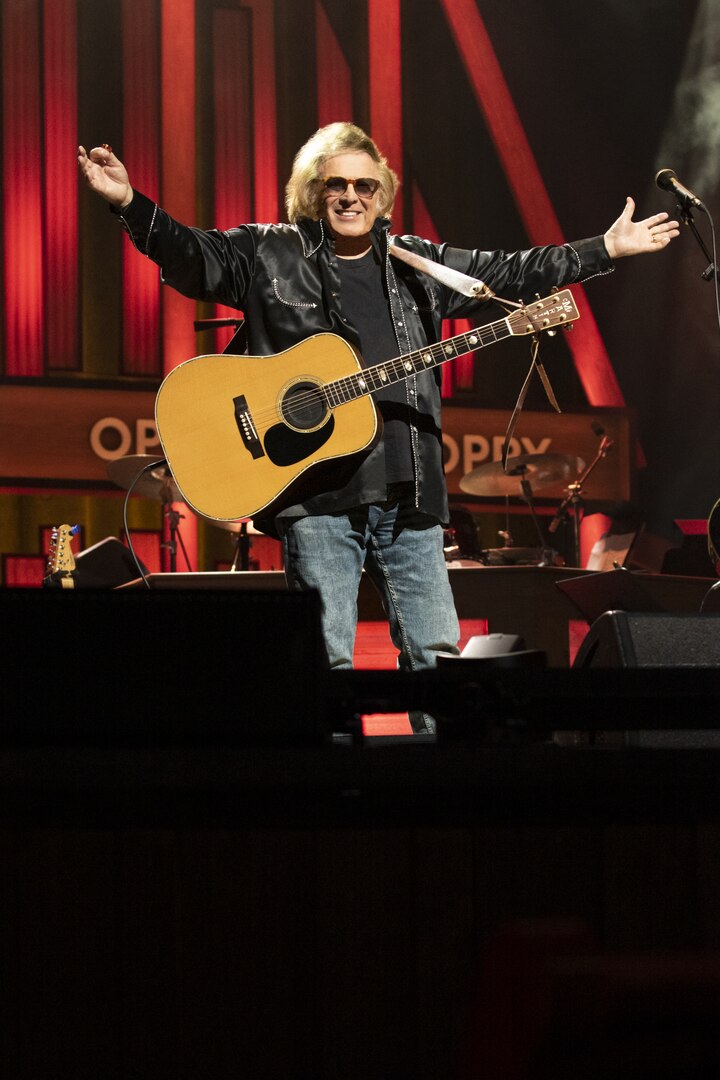
one-hit wonders - Don McLean
By <a class="new" title="User:JeremyWestby (page does not exist)" href="//commons.wikimedia.org/w/index.php?title=User:JeremyWestby&action=edit&redlink=1">JeremyWestby</a> – <span class="int-own-work" lang="en">Own work</span>, <a title="Creative Commons Attribution-Share Alike 4.0" href="https://creativecommons.org/licenses/by-sa/4.0">CC BY-SA 4.0</a>, <a href="https://commons.wikimedia.org/w/index.php?curid=90539711">Link</a>

Don McLean’s 1971 ballad “American Pie” is more than a pop culture touchstone—it’s a financial juggernaut. McLean still earns an estimated $300,000 annually from this single alone. The song’s cultural resonance, frequent radio play, and placement in films and commercials keep the cash flowing. It proves that one timeless tune can fuel financial security for decades. For McLean, “American Pie” is the ultimate example of a one‑hit wonder with lasting financial impact.

2. Gerry Rafferty – “Baker Street”

The iconic sax riff in “Baker Street” isn’t just memorable—it’s lucrative. Gerry Rafferty continues to receive about $100,000 a year in royalties from this 1978 classic. Its inclusion in movies, TV series, and playlists ensures consistent income streams. Despite limited chart success beyond this song, its enduring popularity shows that a single track can be enough to leave a legacy. Rafferty’s “Baker Street” exemplifies how a brilliant melody can yield recurring revenue long after the spotlight fades.

3. Berton Averre – “My Sharona” (Songwriter)

Berton Averre, co-writer of The Knack’s “My Sharona,” earns between $100,000 and $300,000 annually from royalties. This 1979 hit surged again in the 2000s thanks to films like Reality Bites, Spotify, and numerous covers. His royalty earnings come from various sources—radio spins, streaming, synchronization licensing, and cover uses. It highlights how a songwriter’s cut on a one‑hit wonder can be just as substantial as a performer’s. Averre’s ongoing success proves that writing a hit can be a serious financial win.

4. Slade – “Merry Christmas Everybody”

The U.K.’s iconic holiday anthem by Slade rakes in approximately £1 million (~$1.3 million) each year. First released in 1973, the song re-enters the charts every holiday season, fueled by nostalgia and commercial usage. Its predictable yearly resurgence makes it more lucrative than many current hits. For Noddy Holder and Jim Lea of Slade, this festive one‑hit wonder remains a consistent goldmine. Holiday playlists and TV spots turn it into an annual royalty windfall.

5. The Pogues – “Fairytale of New York”

Considered a modern classic, this seminal Cork-New York duet brings in a steady £400,000 (~$520,000) annually. First released in 1987, it continues to chart every winter across Europe. Its enduring popularity through covers, charity gigs, and cinematic placement keeps royalties coming. As a seasonal one‑hit wonder, it rivals classic Christmas crowd-pleasers year after year. The Pogues’ hit clearly shows that one track can sustain decades-long income.

6. Tag Team – “Whoomp! (There It Is)”

Released in 1993, Tag Team’s “Whoomp! (There It Is)” is a staple at sports arenas, commercials, and viral internet moments. While annual royalty figures don’t make headlines, its multi-platinum certifications and consistent placement signal a strong revenue stream. The song regularly pops up in major broadcasts and playlists, boosting sync and performance income. That longevity makes it a party anthem that works like passive income. It underscores how a viral track can keep its earnings pulse alive for decades.

7. Gary Glitter – “Rock and Roll Part 2”

Despite the scandal, Gary Glitter’s instrumental classic is notorious in U.S. sports arenas, earning about $250,000 a year in royalties. Even after legal offenses, the song persists in media licensing, as it’s repeated in games and broadcasts. His shares may be impacted, but the tune itself still generates revenue. It’s a controversial example of how a one‑hit wonder can maintain profitability apart from personal legacy. The song remains a cash cow, regardless of its creator’s issues.

What Makes These One-Hit Wonders Pack a Punch

So what links these seven songs? They’re catchy, timeless, and embedded in culture—perfect for reuse in movies, ads, and playlists. Whether tied to seasons, sports, or nostalgia, they maintain relevance and generate recurring royalties. Understanding the patterns of one‑hit wonders helps us see how a single brilliant moment can have a compounding financial effect. For creators and fans alike, it’s a reminder: one great song can be more powerful than a whole discography.

Which one‑hit wonder from this list still pops into your head—and did you realize it’s still making money today? Share your favorite nostalgia hit in the comments!

Read More

Jersey Shore Net Worths: Who’s Still Rich and Who’s Just Famous?

How Much Does It Pay to Win The Voice? We Looked at 6 Past Winners

These Indie Artists Are Quietly Worth Millions—and You’ve Never Heard Their Names

In an industry often dominated by chart-topping superstars, a growing number of independent artists are quietly amassing fortunes without mainstream recognition. Leveraging platforms like Bandcamp, YouTube, and Patreon, these musicians have built dedicated fan bases and sustainable careers on their own terms. Their success stories challenge traditional notions of fame and highlight the evolving landscape of the music industry. Here are 10 indie artists who have achieved remarkable financial success while flying under the radar.

Independent Musicians That Deserve a Spot on Your Playlist

1. Miracle of Sound (Gavin Dunne)


View this post on Instagram


A post shared by Miracle Of Sound (@miracleofsound)

Gavin Dunne, known by his stage name Miracle of Sound, is an Irish musician who creates songs inspired by video games, movies, and pop culture. Operating independently, he has garnered over 1.1 million YouTube subscribers and more than 841 million views. His diverse musical styles and consistent output have cultivated a loyal global audience. Dunne’s success demonstrates how niche content can thrive in the digital age. Despite his substantial following, he remains relatively unknown in mainstream circles.

2. Sidney Gish


View this post on Instagram


A post shared by sidney gish (@sidneyg156)

Boston-based singer-songwriter Sidney Gish gained attention with her self-released albums “Ed Buys Houses” and “No Dogs Allowed.” Her witty lyrics and DIY approach resonated with listeners, leading to critical acclaim and a growing fan base. Gish’s music, characterized by its indie pop and bedroom pop sensibilities, has been featured in various media outlets. She continues to release music independently, maintaining creative control over her work. Gish’s journey exemplifies the potential of self-produced music in the digital era.

3. Emily Yacina


View this post on Instagram


A post shared by Emily Yacina (@emilyyacina)

Philadelphia’s Emily Yacina has been crafting lo-fi indie pop since 2011, primarily releasing her music through Bandcamp. Her collaborations with artists like Alex G and her song “Treehouse” have contributed to her underground acclaim. Yacina’s intimate songwriting and minimalist production have attracted a dedicated following. She advocates for independent music distribution, encouraging artists to retain control over their work. Yacina’s career highlights the viability of alternative paths in the music industry.

4. Andy Shauf


View this post on Instagram


A post shared by Foxwarren (@foxwarrenhq)

Canadian musician Andy Shauf is known for his narrative-driven indie folk music. His albums, including “The Party” and “The Neon Skyline,” have received critical acclaim and earned him a spot on former President Barack Obama’s 2020 summer playlist. Shauf’s meticulous songwriting and multi-instrumental talents have garnered a dedicated fan base. Operating largely outside the mainstream, he has achieved significant success through independent labels and touring. Shauf’s work exemplifies the power of storytelling in music.

5. Parlor Hawk

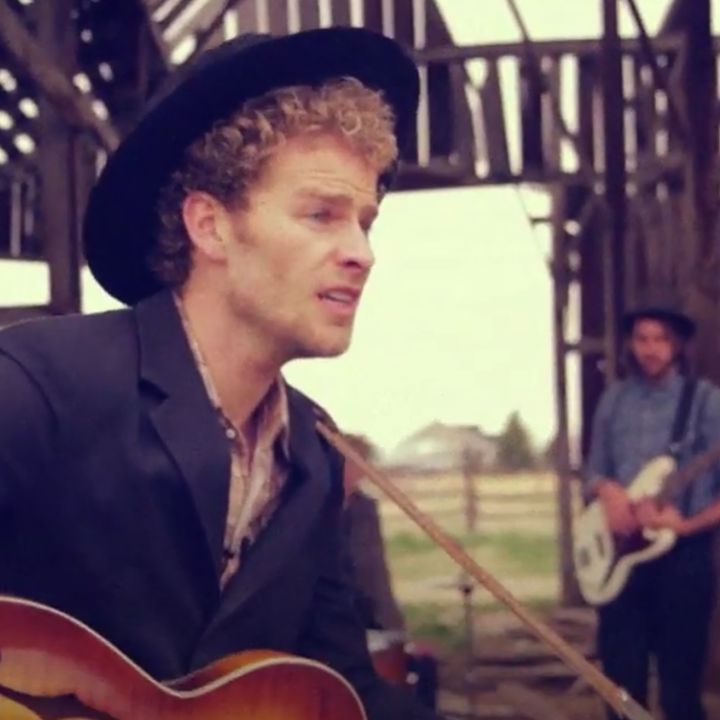
independent musicians - Parlor Hawk - theoccidentalsaloon
Image Source: YouTube/theoccidentalsaloon

Parlor Hawk, an indie rock band from Utah, gained recognition with their debut album “Hoarse & Roaring,” which was featured on iTunes’ Indie Spotlight. Their music blends elements of rock, neofolk, and baroque pop, appealing to a diverse audience. The band’s independent approach includes crowdfunding and self-releasing their work. Parlor Hawk’s success demonstrates the potential of grassroots promotion and fan engagement. Their journey underscores the importance of authenticity in building a music career.

6. Leith Ross


View this post on Instagram


A post shared by Leith (@leith_ross)

Canadian singer-songwriter Leith Ross gained prominence through their introspective indie folk music. Their debut EP “Motherwell” and subsequent album “To Learn” showcase a delicate, emotive style that resonates with listeners. Ross’s music has been featured in various media outlets, and they have toured internationally. Their success highlights the impact of authenticity and vulnerability in connecting with audiences. Ross continues to build their career while maintaining artistic independence.

7. Daniel Allan


View this post on Instagram


A post shared by Daniel (@danielallanmusic)

Electronic pop artist Daniel Allan has leveraged NFTs to fund his music career, raising $140,000 to produce his album “Overstimulated.” By selling digital copies of his work, Allan has achieved financial independence and retained creative control. His innovative approach exemplifies how emerging technologies can empower artists. Allan’s success story illustrates the potential of alternative revenue streams in the music industry. His model offers a blueprint for artists seeking autonomy and sustainability.

8. Raye


View this post on Instagram


A post shared by RAYE 🇬🇧🇨🇭🇬🇭 (@raye)

British singer-songwriter Raye transitioned to an independent career after parting ways with her record label. Her debut album “My 21st Century Blues” received critical acclaim and commercial success. Raye made history at the 2024 Brit Awards, winning six awards in a single year. Her journey underscores the potential for artists to thrive independently. Raye’s story is a testament to resilience and self-determination in the music industry.

9. Tori Kelly


View this post on Instagram


A post shared by tori kelly (@torikelly)

Singer-songwriter Tori Kelly gained initial recognition through YouTube before achieving mainstream success. Her independent releases and powerful vocals have earned her a dedicated fan base. Kelly’s journey from online covers to Grammy nominations exemplifies the potential of digital platforms. She continues to balance commercial success with artistic authenticity. Kelly’s career highlights the evolving pathways to success in the music industry.

10. James Bay


View this post on Instagram


A post shared by James Bay (@jamesbaymusic)

English musician James Bay rose to prominence with his debut album “Chaos and the Calm,” featuring the hit single “Hold Back the River.” His soulful voice and heartfelt songwriting have garnered international acclaim. Bay’s success includes Grammy nominations and a strong global fan base. He maintains a focus on authenticity and emotional resonance in his music. Bay’s career demonstrates the enduring appeal of sincere artistry.

The New Paradigm of Musical Success 

These artists exemplify how independent musicians can achieve significant financial success without mainstream fame. By leveraging digital platforms, engaging directly with fans, and maintaining creative control, they have carved out sustainable careers. Their stories challenge traditional industry models and highlight the diverse pathways to success in today’s music landscape. As the industry continues to evolve, these artists serve as inspirations for aspiring musicians worldwide.

Which of these indie artists have you discovered recently? Share your thoughts and favorites in the comments below!

Read More

‘1000-Lb. Sisters’ & More: What is the Obsession Behind Reality Shows Following the Morbidly Obese?

10 Famous People Who Have Received Presidential Pardons

All content on Plunged in Debt is for entertainment purposes only. By reading this blog, you agree that Plunged in Debt is not responsible for any actions taken after reading this blog. For the full disclaimer.

Financial Disclaimer

Please note that Plunged in Debt has financial relationships with some of the merchants mentioned here. Plunged in Debt is funded by banner advertising, commission sales and search optimization consulting. Plunged in Debt is operated by Novara Unlimited LLC.