Post Malone’s Net Worth: Tattoos, Tunes, and Treasure

Post Malone's Net Worth
Image Source: YouTube/CBS Sunday Morning

Post Malone, born Austin Richard Post, emerged from the digital depths of SoundCloud to become one of the most influential artists of his generation. His genre-blending style, combining elements of hip-hop, rock, and pop, has captivated audiences worldwide. With chart-topping hits like “Rockstar,” “Circles,” and “Sunflower,” Malone has solidified his place in the music industry. Beyond his musical talents, his distinctive tattoos and unique fashion sense have made him a cultural icon. As of 2025, Post Malone’s net worth reflects not only his musical success but also his ventures into various business endeavors.

1. Chart-Topping Albums and Streaming Success

Post Malone’s discography has consistently dominated the charts. His debut album, “Stoney,” introduced the world to his melodic style, while “Beerbongs & Bentleys” and “Hollywood’s Bleeding” showcased his versatility. These albums have amassed billions of streams across platforms like Spotify and Apple Music. His 2023 release, “Austin,” continued this trend, further cementing his status in the industry. The consistent success of his albums has significantly contributed to his impressive net worth. 

Touring has been a substantial source of income for Malone. Reports indicate that he earns between $1.5 million and $2 million per show, with sold-out arenas and festivals worldwide. His dynamic stage presence and connection with fans have made his concerts highly sought after. The revenue from these performances plays a pivotal role in his financial portfolio. Moreover, his headlining spots at major events further boost his visibility and earnings. 


View this post on Instagram


A post shared by @postmalone

Malone’s appeal extends beyond music, making him a valuable partner for brands. He has collaborated with companies like Bud Light, Crocs, and HyperX, creating unique products that resonate with his fan base. These partnerships not only enhance his brand but also provide substantial financial returns. His involvement in these ventures showcases his business acumen and understanding of market trends. Such collaborations have become a significant component of his income stream. 

Wealth Beyond Music

Demonstrating his entrepreneurial spirit, Malone launched his own rosé wine, Maison No. 9, in 2020. The brand experienced immediate success, selling 50,000 bottles within 48 hours of its release. Beyond the wine industry, he has invested in various sectors, including gaming, by becoming a co-owner of Envy Gaming. These ventures diversify his income and showcase his versatility as a businessman. His investments reflect a strategic approach to building long-term wealth. 

Malone’s real estate portfolio includes a $3 million estate in Utah, featuring amenities like a recording studio and an underground bunker. This property not only serves as a personal retreat but also as a creative space for his music. He also owns properties in Los Angeles and Texas, further expanding his assets. These investments in real estate contribute to his overall net worth and provide financial stability. His choice of properties reflects his unique personality and lifestyle preferences. 

Despite his fame, Malone maintains a relatively private personal life. He is in a committed relationship and became a father in 2022. Known for his generosity, he made headlines by leaving a $20,000 tip for a single mother working at a bar on Christmas Eve. Such acts of kindness highlight his philanthropic nature and connection to his fans. His personal experiences and values often influence his music and public persona. 

Recognition and Awards

Throughout his career, Malone has received numerous accolades, including Billboard Music Awards and American Music Awards. His innovative approach to music has earned him critical acclaim and a dedicated fan base. In 2025, he received eight Grammy nominations, reflecting his continued relevance and excellence in the industry. These recognitions not only honor his artistic achievements but also enhance his marketability. Awards and nominations contribute to his legacy and financial opportunities. 

What is Post Malone’s Net Worth?

As of 2025, estimates of Post Malone’s net worth sit around $50 million. This wealth stems from his multifaceted career, encompassing music, touring, endorsements, and business ventures. His strategic investments and continuous innovation have solidified his financial standing. Malone’s net worth reflects not only his talent but also his entrepreneurial mindset. His financial success serves as an inspiration for aspiring artists and entrepreneurs alike. 


View this post on Instagram


A post shared by @postmalone

Post Malone’s journey from a budding artist to a global superstar exemplifies the power of versatility and innovation. His ability to transcend musical genres, coupled with his business ventures and personal authenticity, has carved a unique niche in the entertainment industry. As he continues to evolve, Malone’s influence extends beyond music, impacting fashion, business, and culture. His story underscores the importance of embracing individuality and pursuing diverse opportunities. In an ever-changing industry, Post Malone stands as a testament to the rewards of creativity and resilience.

What aspect of Post Malone’s journey do you find most inspiring? Share your thoughts in the comments below!

Read More

Gabby Windey’s Net Worth in 2025: From ICU Nurse to Reality TV Star

Millie Bobby Brown’s Net Worth: Stranger Things to Stronger Finances

12 Things You Should Always Do When You Move to a New City

moving to new city

Moving to a new city can be both exhilarating and overwhelming. Whether you’re moving for a job, school, or just a fresh start, there are essential steps you should take to make your transition smoother. Here are 12 things you should always do when you move to a new city.

1. Research Your New Neighborhood

new neighborhood

Before you even set foot in your new city, spend time researching the neighborhood you’ll be living in. Look into the local amenities, safety, and convenience. Find out where the nearest grocery stores, pharmacies, and hospitals are. This will help you feel more comfortable and prepared for your move.

2. Get Acquainted with Public Transportation

public transportation

Understanding the public transportation system when you move to a new city is crucial. Whether it’s buses, trains, or subways, knowing how to get around will save you time and money. Download local transit apps and consider getting a transit pass. This way, you’ll avoid the stress of navigating the city and can explore more freely.

3. Update Your Address and Essential Records

update address

One of the first things you should do is update your address with the postal service, your bank, and any subscription services. Notify your employer and any relevant institutions of your new address. Also, transfer your driver’s license and vehicle registration if applicable. This ensures you won’t miss any important mail and are legally compliant in your new city.

4. Explore Local Culture and Cuisine

museum

Diving into the local culture can make your transition much more enjoyable. Visit museums, attend local festivals, and try the regional cuisine. This will help you understand and appreciate the city’s unique character. Plus, you’ll start to feel like a local much quicker.

5. Meet Your Neighbors

meeting neighbors

Introducing yourself to your neighbors can significantly ease your transition. Not only can they offer valuable advice about the area, but they can also become friends. Attend neighborhood events or simply knock on doors to say hello. Building these relationships can create a sense of community and belonging.

6. Join Local Groups and Organizations

book club

Joining clubs or organizations that match your interests is a fantastic way to meet new people. Whether it’s a sports team, a book club, or a professional group, these settings provide an excellent opportunity to build connections. Check out social media or community boards for group information. Being active in such groups can help you form meaningful relationships quickly.

7. Find a Reliable Healthcare Provider

doctor

Finding a healthcare provider should be a top priority when you move to a new city. Research local doctors, dentists, and specialists. Read reviews and ask for recommendations to find the best options. Make sure to check with your insurance that your new providers are in-network. Establishing care early ensures you’re prepared in case of any health issues.

8. Set Up Utilities and Home Services

set up home services

Ensure that your new home is fully functional by setting up utilities and home services. Contact local providers to establish electricity, water, gas, and internet services. Don’t forget about trash collection and any other essential services. Doing this ahead of time will make moving to a new city much smoother.

9. Familiarize Yourself with Local Laws and Regulations

local laws

Each city has its own set of laws and regulations, from parking rules to recycling protocols. Take the time to learn about these to avoid any legal issues. This is particularly important if you have pets or plan to renovate your home. Knowing the rules will help you adapt more easily and stay out of trouble.

10. Establish a Routine

jogging

Creating a routine can provide a sense of normalcy and stability in your new environment. Establish daily habits like morning jogs, coffee shop visits, or weekly grocery shopping. This not only helps you adjust but also allows you to discover local spots and settle into your new community. A routine can make your new city feel more like home.

11. Stay in Touch with Old Friends

video chat friend

While making new friends is important, don’t forget to maintain relationships with those you left behind. Regular calls, video chats, and visits can keep these bonds strong. This support network can be invaluable during your transition period. Staying connected helps balance the excitement of new experiences with the comfort of familiar ones.

12. Be Patient and Give Yourself Time

new city

Adjusting to a new city takes time, and it’s essential to be patient with yourself. There will be moments of loneliness and uncertainty, but these are part of the process. Allow yourself to gradually adapt to your new surroundings and find your rhythm. Remember, it’s okay to feel out of place initially; it’s all part of the journey.

Embracing the Change of Moving to a New City

moving to new city

Making a move to a new city is a significant life change that requires careful planning and an open mind. By following these steps, you can ease your transition and start enjoying your new environment sooner. Embrace the adventure, meet new people, and explore all that your new city has to offer. With time, patience, and effort, you’ll soon feel right at home.

Read More

Family Adventures: Planning Memorable Trips with Kids of All Ages

10 Reasons You Should Reconsider Plastic Surgery

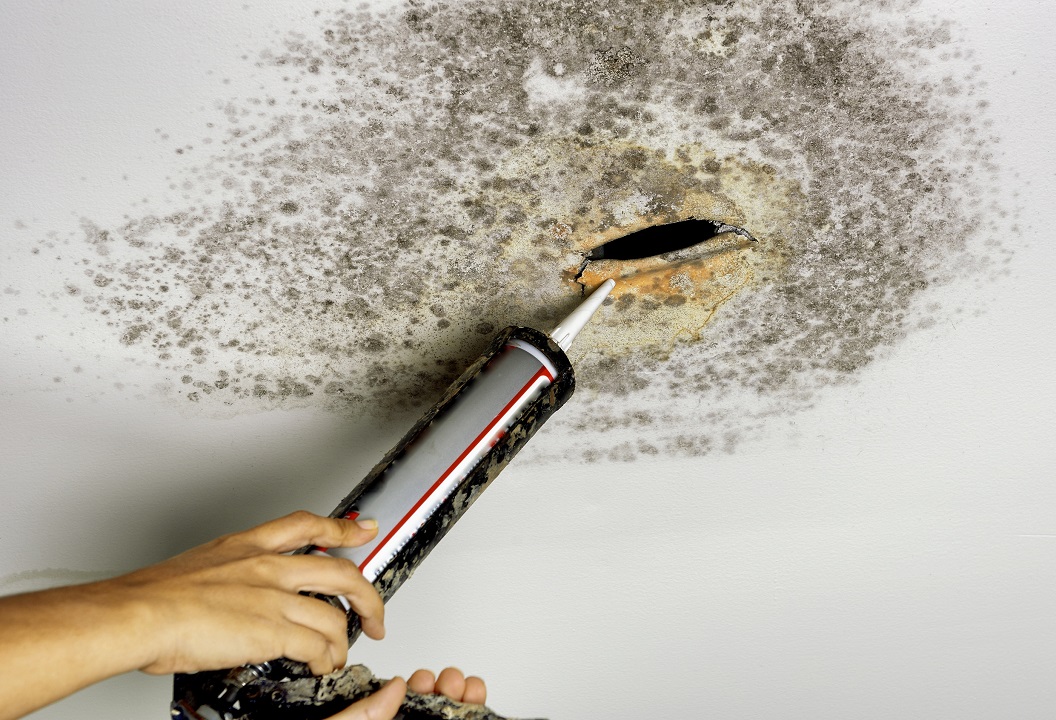
13 Warning Signs Your Home Might Be Contaminated With Mold

contaminated with moldMold contamination in your home is not just an unsightly problem; it can also pose serious health risks. Mold spores can cause respiratory issues, allergic reactions, and other health problems, especially for those with weakened immune systems. Identifying the signs of mold contamination early can help you take the necessary steps to address the issue and maintain a healthy living environment. Here are 13 warning signs that your home might be contaminated with mold.

1. Musty Odor

A persistent musty odor is often one of the first signs that your home is contaminated with mold. This distinct smell is caused by the release of microbial volatile organic compounds (MVOCs) produced by mold as it grows and reproduces. Even if you can’t see the mold, the smell can indicate its presence. If you notice a musty smell in your home, especially in damp or humid areas like basements, bathrooms, or kitchens, it’s essential to investigate further. Ignoring the odor can lead to more extensive mold growth and potential health issues.

2. Visible Mold Growth

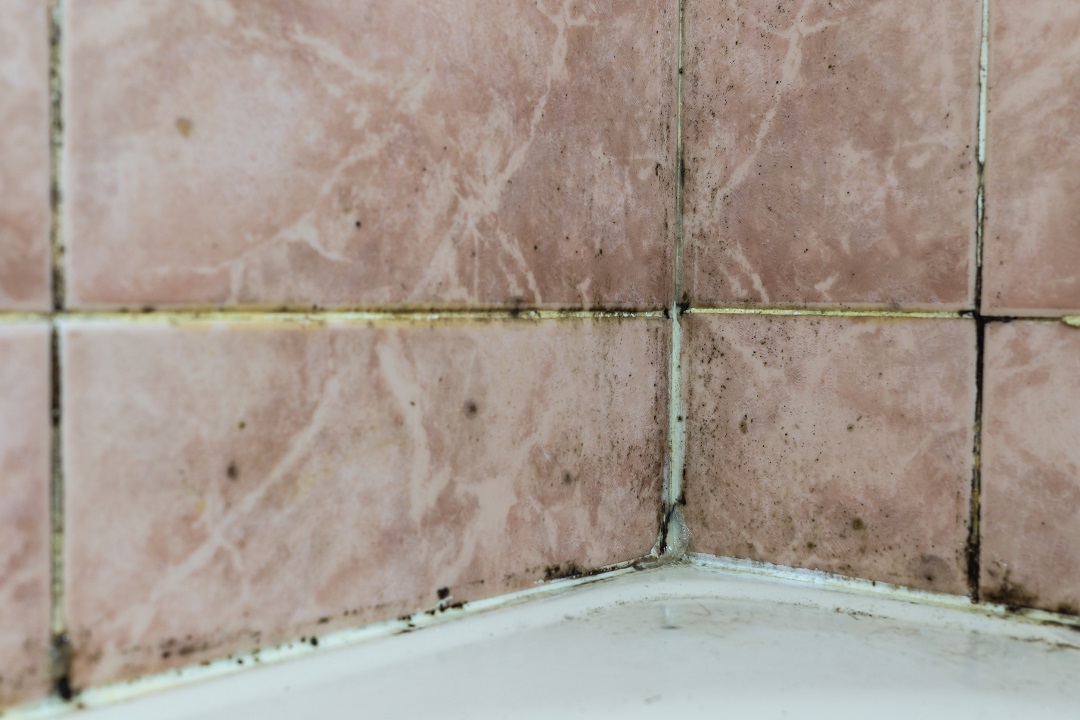
Visible mold growth is an obvious sign of contamination. Mold can appear in various colors, including black, green, white, and orange. It often looks like spots or patches and can grow on walls, ceilings, floors, and other surfaces. Even if the mold growth seems minor, it’s crucial to address it promptly. Small patches can quickly spread and become a more significant problem, requiring extensive remediation efforts.

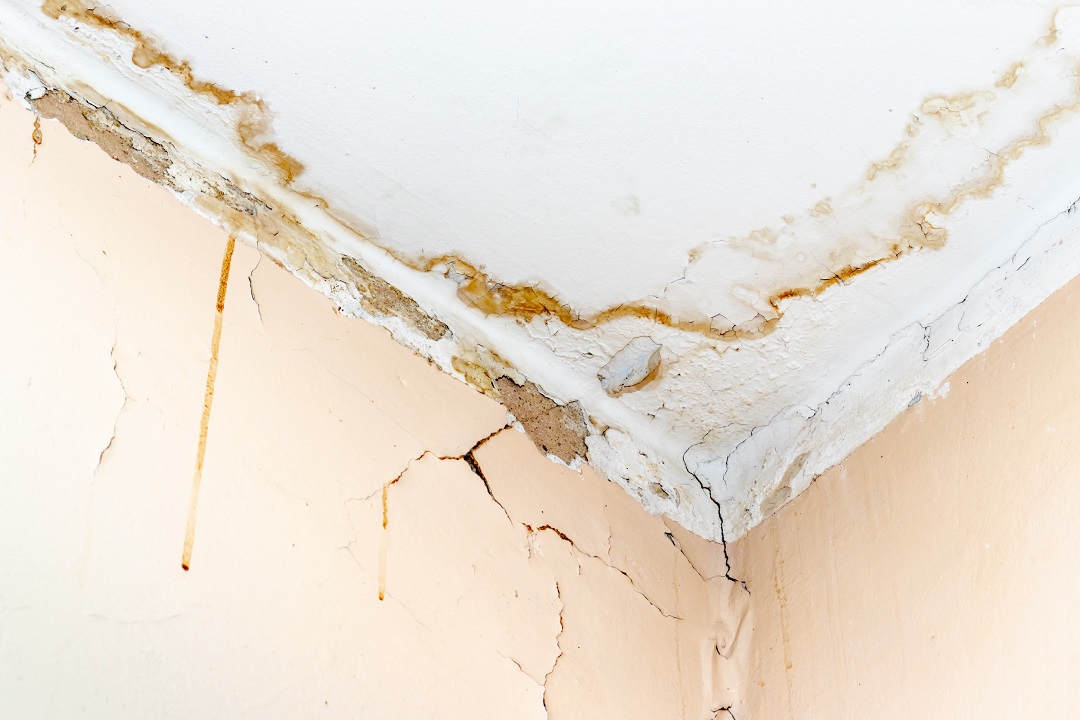
3. Water Stains and Discoloration

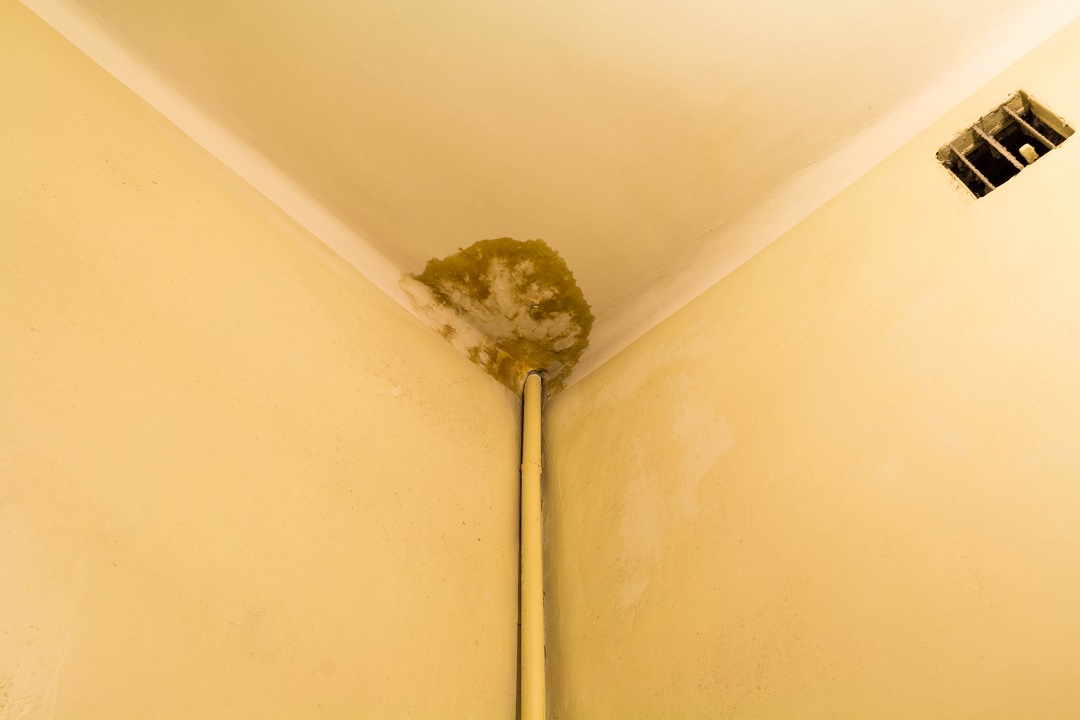
Water stains or discoloration on walls, ceilings, or floors can indicate a moisture problem, which often leads to mold growth. These stains may appear yellow, brown, or green and are typically a result of water leaks or condensation. If you notice water stains or discoloration, it’s essential to identify and fix the source of the moisture. Addressing the underlying issue can help prevent mold from developing or spreading further.

4. Peeling or Bubbling Paint and Wallpaper

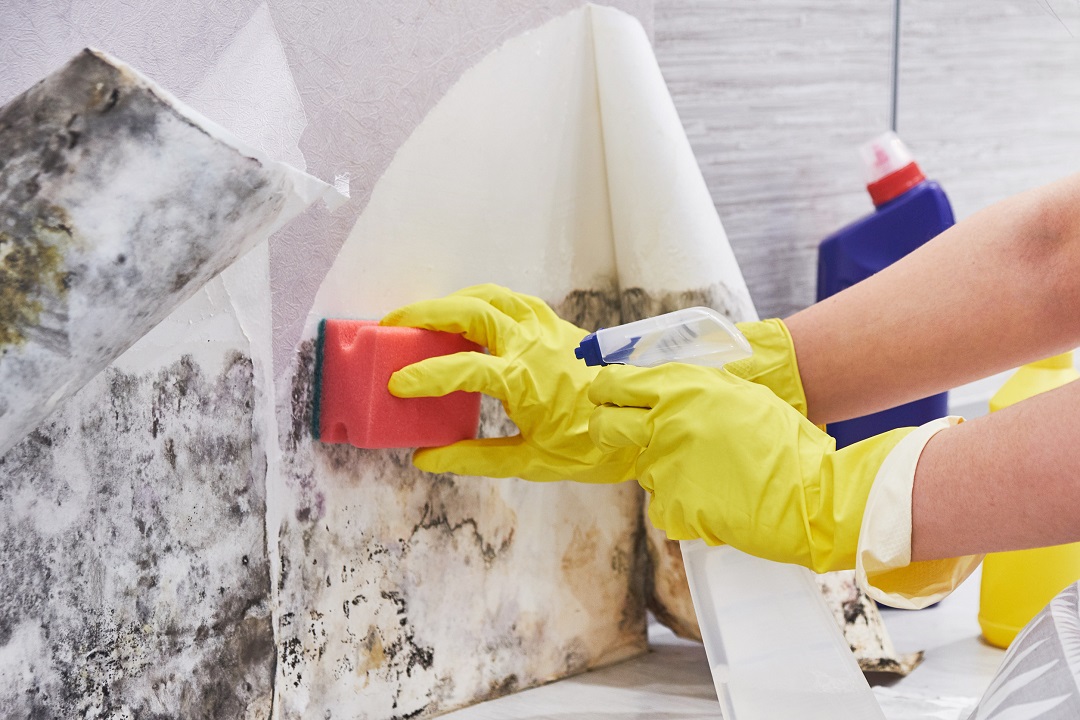
Peeling or bubbling paint and wallpaper can be a sign of excess moisture in your home, which creates an ideal environment for mold growth. Moisture can cause the adhesive holding the paint or wallpaper to weaken, leading to visible damage. Inspecting areas with peeling or bubbling paint and wallpaper for mold is crucial. Repairing the moisture issue and replacing damaged materials can help prevent mold contamination.

5. Allergic Reactions

Experiencing unexplained allergic reactions, such as sneezing, runny nose, itchy eyes, or skin rashes, can be a sign of mold contamination. Mold spores can trigger allergic responses in sensitive individuals, even if the mold is not visible. If you or your family members experience persistent allergic symptoms, it may be worth investigating your home for mold. Consulting with a medical professional and conducting a mold inspection can help identify the cause of the reactions.

6. Respiratory Issues

Mold spores can cause respiratory problems, including coughing, wheezing, and shortness of breath. These symptoms can be particularly severe for individuals with asthma or other preexisting respiratory conditions. If you notice an increase in respiratory issues, especially when spending time at home, it’s essential to check for mold contamination. Addressing the mold problem can help alleviate these symptoms and improve indoor air quality.

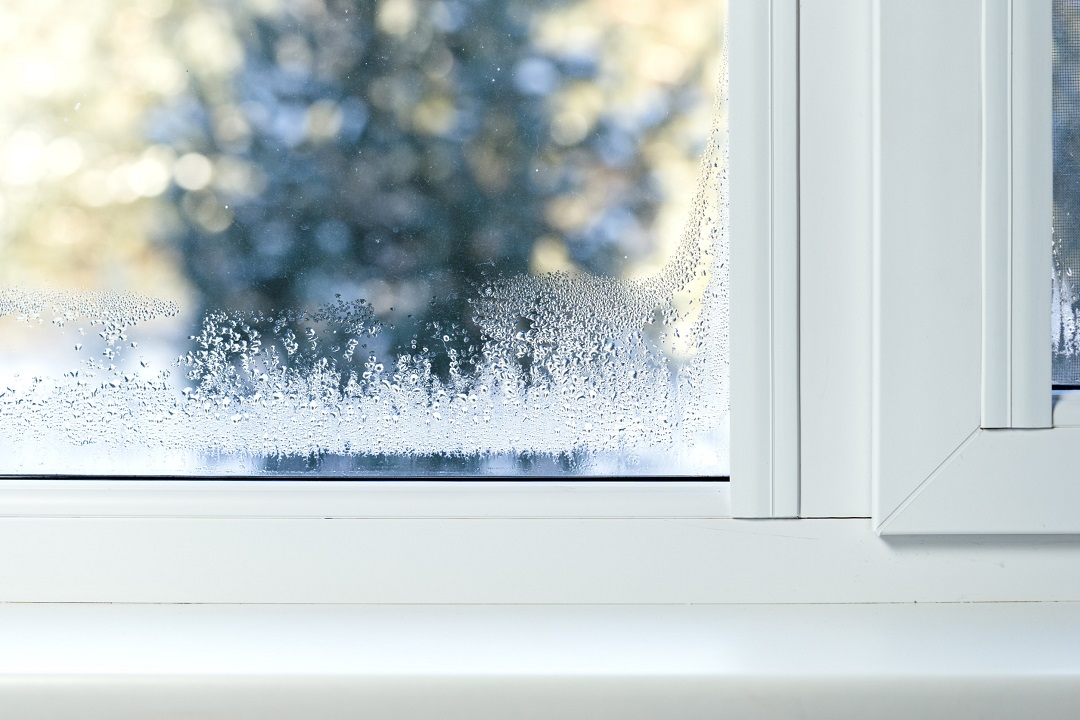
7. Condensation on Windows and Walls

Excessive condensation on windows and walls is a sign of high humidity levels in your home. High humidity creates a conducive environment for mold growth, especially in areas with poor ventilation. Reducing humidity levels through the use of dehumidifiers, proper ventilation, and addressing sources of moisture can help prevent mold growth. Regularly checking for condensation and taking preventive measures are essential for maintaining a mold-free home.

8. Warped or Buckled Floors

Warped or buckled floors can indicate water damage, which often leads to mold growth. Moisture can seep into the flooring material, causing it to swell and deform over time. If you notice any changes in your flooring, it’s important to investigate the cause and address any moisture issues. Replacing damaged flooring and ensuring proper moisture control can help prevent mold contamination.

9. Health Symptoms Improve When Away from Home

If you or your family members notice that health symptoms, such as allergies or respiratory issues, improve when away from home, it could be a sign that your home is contaminated with mold. The presence of mold in your home can cause continuous exposure to mold spores, leading to persistent health problems. Consulting with a medical professional and conducting a thorough mold inspection can help identify and address the issue, improving overall health and well-being.

10. Increased Humidity Levels

Consistently high humidity levels in your home can create a perfect environment to be contaminated with mold. Using a hygrometer to measure indoor humidity can help you monitor and maintain optimal levels (between 30% and 50%). If you find that your home has high humidity levels, taking steps to reduce moisture through dehumidifiers, proper ventilation, and fixing leaks can prevent mold growth and improve indoor air quality.

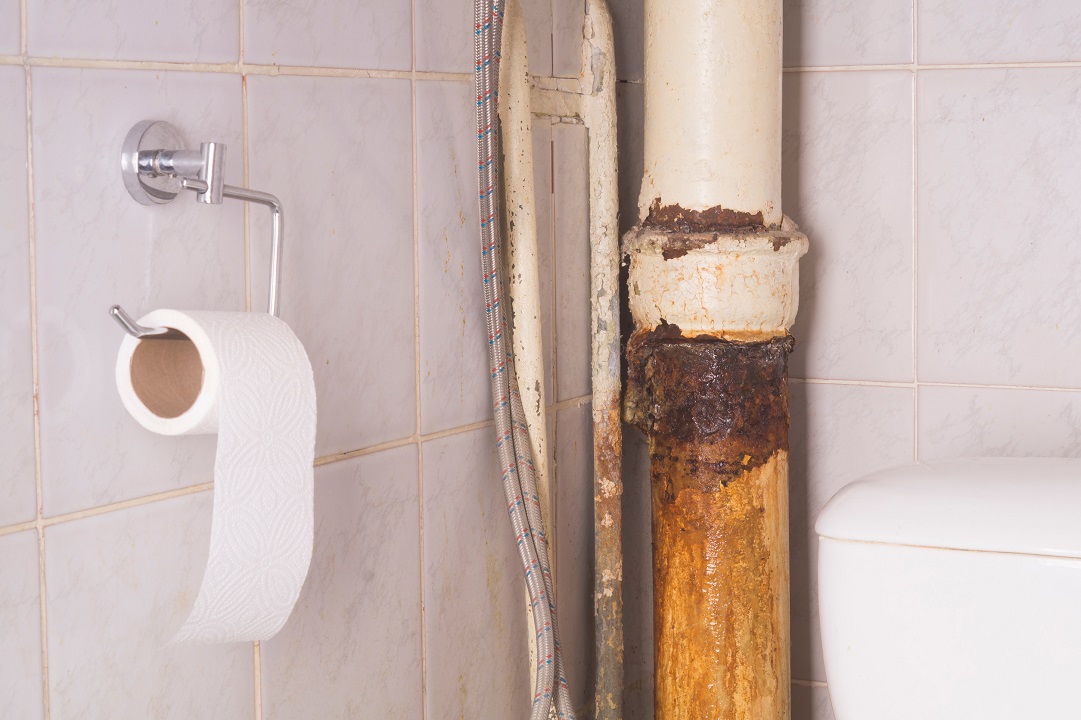
11. Rust or Corrosion on Pipes

Rust or corrosion on pipes can indicate a moisture problem, which can lead to mold growth. Moisture from leaky or corroded pipes can create damp conditions that promote mold development. Regularly inspecting and maintaining your plumbing system can help prevent leaks and moisture buildup. Addressing any issues promptly can reduce the risk of mold contamination.

12. Previous Water Damage

Homes that have experienced previous water damage are at a higher risk to be contaminated with mold. Even if the water damage was addressed, lingering moisture or hidden mold spores can lead to future growth. If your home has a history of water damage, it’s crucial to conduct regular inspections for mold. Using moisture meters and professional mold testing can help detect any hidden issues and prevent further contamination.

13. Unexplained Musty Smells in Specific Areas

Musty smells confined to specific areas of your home, such as a basement or attic, can indicate localized mold growth. These areas are often prone to higher humidity and less ventilation, making them ideal environments to be contaminated with mold. Investigating and addressing the source of the musty smell can help identify and remediate mold growth. Ensuring proper ventilation and moisture control in these areas can prevent future mold problems.

Ensuring a Healthy Living Environment

Identifying the warning signs that your home is contaminated with mold is crucial for maintaining a healthy living environment. Mold can cause serious health issues and structural damage if left unaddressed. By being vigilant and proactive, you can detect mold early and take the necessary steps to remediate it. Regular inspections, proper moisture control, and professional assistance when needed can help ensure that your home remains mold-free and safe for you and your family. Remember, maintaining a healthy home environment starts with awareness and prompt action.

[Read more…]

Tiny Space, Big Dreams: 16 Genius Decorating Tips for Small Apartments

small apartment

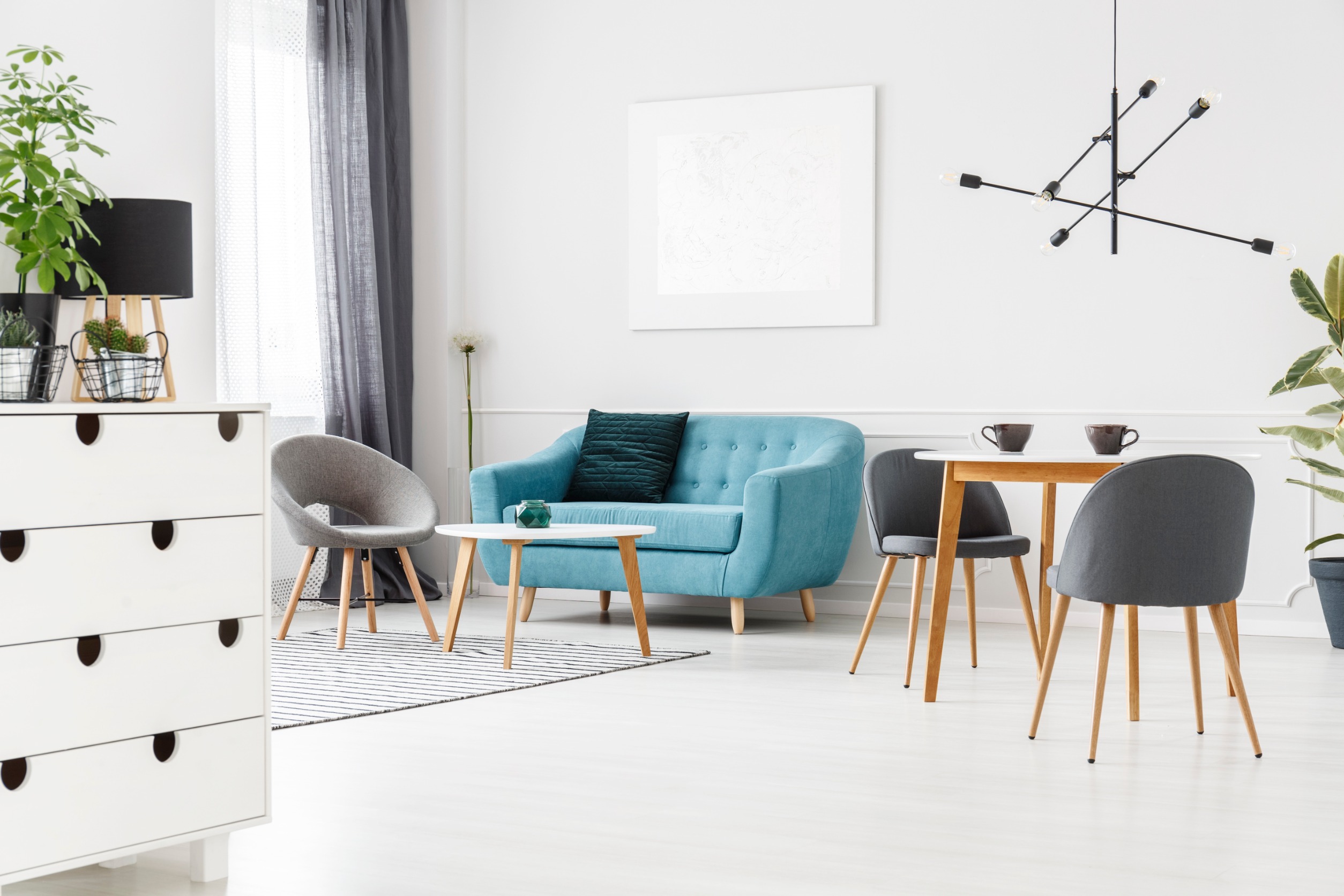
In today’s urban landscape, small apartments have become the norm rather than the exception. While these cozy spaces offer affordability and efficiency, they can sometimes feel cramped and lacking in personality. However, with the right approach to decorating, even the tiniest of apartments can become stylish havens that reflect your personality and lifestyle. Here are 16 genius decorating tips to help you make the most of your small apartment.

1. Buy Multi-Functional Furniture

multifunctional furniture

Multi-functional furniture is a brilliant solution for maximizing space when decorating small apartments. Pieces like sofa beds serve dual purposes, providing seating during the day and transforming into comfortable sleeping spaces at night. Additionally, tables with built-in storage compartments offer functionality while minimizing clutter. Folding or expandable furniture such as wall-mounted desks or dining tables can be easily tucked away when not in use, optimizing space efficiency in compact environments.

2. Utilize Vertical Space

tall bookcase

Utilizing vertical space is a smart strategy for optimizing storage and functionality in tiny living spaces. Tall bookshelves or floor-to-ceiling cabinets not only add storage capacity but also draw the eye upward, creating a sense of height and openness. Hanging organizers or wall-mounted shelves help keep frequently used items within easy reach while freeing up valuable floor space. Incorporating loft beds or suspended storage solutions maximizes the usable area without sacrificing comfort or style, making the most of every square inch in compact environments.

3. Focus on Light Colors

light colors

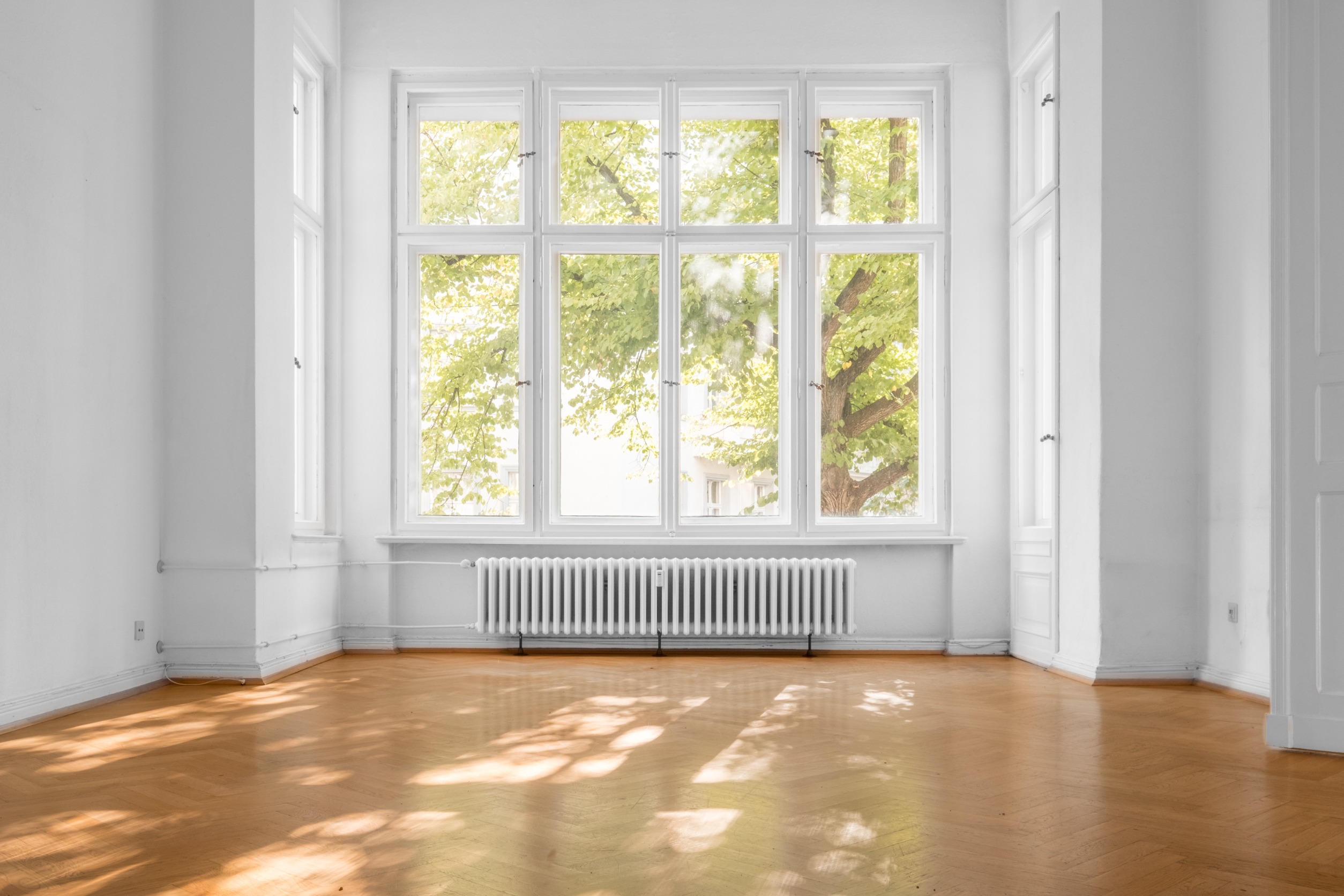
Incorporating light colors in small spaces can work wonders to enhance the perceived size and brightness of the area. Pale hues such as soft creams, light grays, or pastel tones reflect natural light, creating an airy and spacious ambiance. Additionally, light-colored walls and furniture visually recede, giving the illusion of more space. Combining these tones with strategic lighting design further amplifies the sense of openness and comfort in compact living environments.

4. Hang Mirrors

mirror small apartment

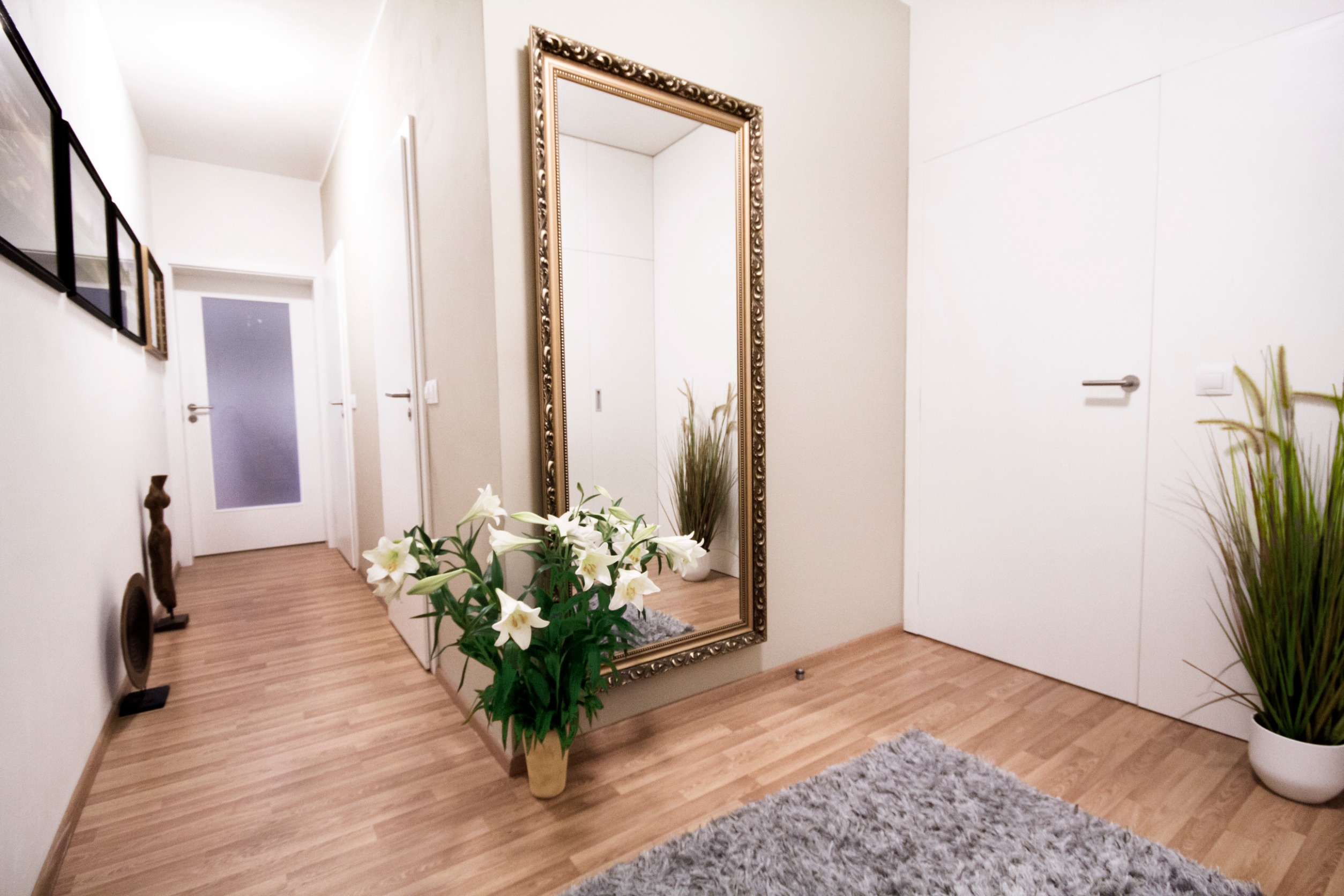
Mirrors are invaluable assets when decorating small apartments. They are capable of instantly amplifying the perceived size and brightness of a room. Strategically placing mirrors opposite windows or light sources reflects natural light, illuminating the space and making it feel more expansive. Moreover, mirrors create depth by visually doubling the area they reflect, giving the impression of a larger room. By incorporating mirrors into décor, whether in the form of large wall-mounted panels or smaller accent pieces, one can effectively enhance the openness and functionality of compact living spaces.

5. Incorporate Foldable Furniture

foldable futon

Foldable furniture is a game-changer for small spaces, offering versatility and practicality without compromising on style. Pieces like foldable tables and chairs can be easily stowed away when not in use, freeing up valuable floor space for other activities. Additionally, foldable beds or sofas provide comfortable seating and sleeping options while maximizing room for movement during the day. Embracing foldable furniture solutions allows for flexible living arrangements in compact environments, enabling residents to adapt their space to various needs and preferences effortlessly.

6. Find Hidden Storage Solutions

hidden storage

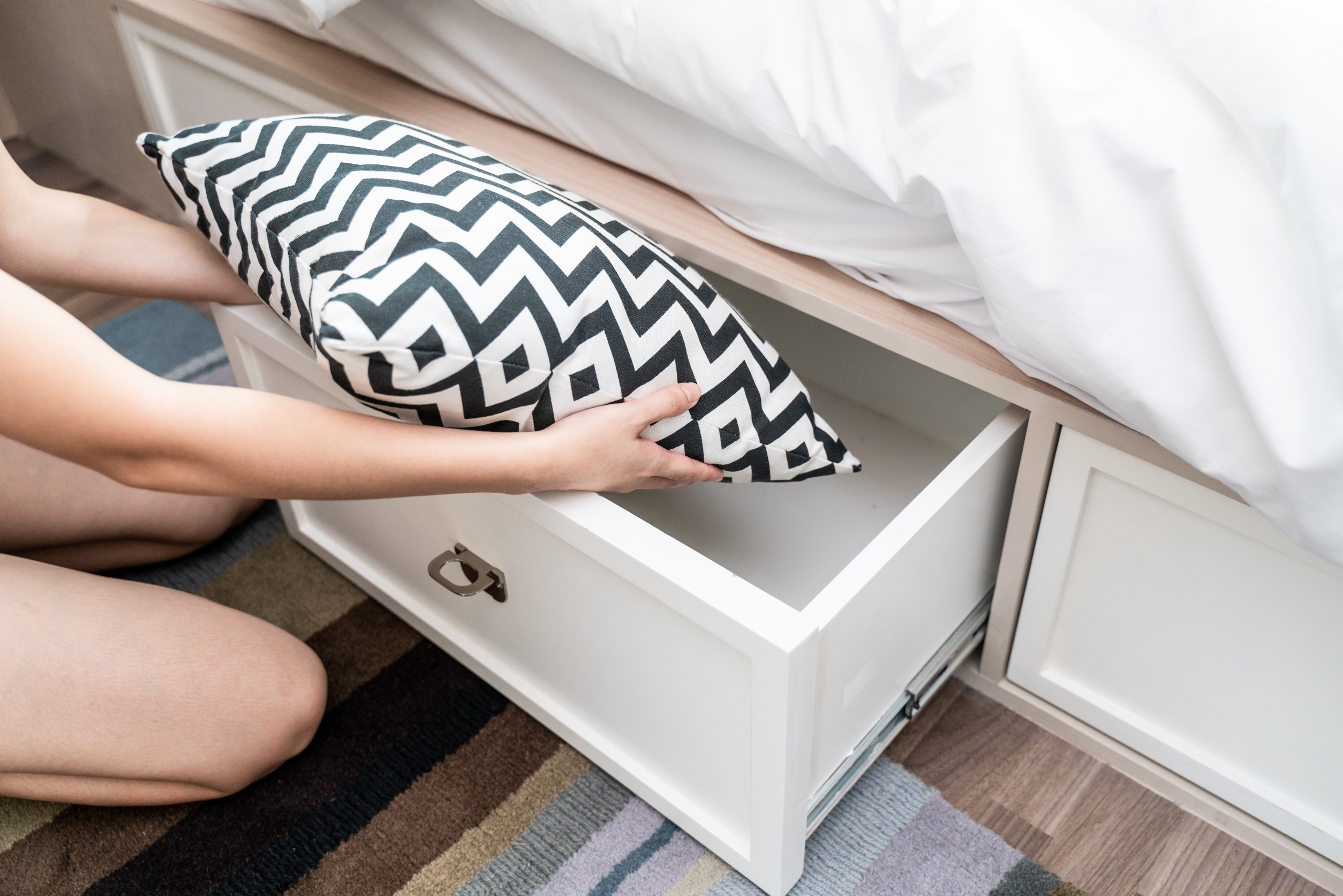
Hidden storage solutions are essential for maximizing space in tiny apartments while maintaining a clean and organized aesthetic. Utilizing under-bed storage containers or drawers allows for efficient use of space that would otherwise go unused. Cleverly integrating storage compartments into furniture pieces, such as ottomans with hidden compartments or coffee tables with lift-up tops, conceals clutter while providing functional surfaces. Additionally, utilizing vertical storage solutions like wall-mounted shelving or overhead cabinets optimizes space without encroaching on floor area, creating a streamlined and efficient living environment in compact dwellings.

7. Scale Appropriately

small scale furniture

Scaling appropriately in small spaces involves selecting furniture and décor that complement the size of the room without overwhelming it. Opting for smaller-scale furniture pieces allows for comfortable movement and prevents the space from feeling cramped. Additionally, choosing furniture with legs rather than bulky bases creates a sense of openness by allowing light to flow underneath. By carefully considering the proportions of each element within the space, one can create a harmonious and balanced environment that feels cozy yet visually spacious in small living areas.

8. Create Zones

create zones small apartment

Creating zones in tiny spaces involves defining specific areas for different functions to maximize the utility of the space. Utilizing furniture arrangements, area rugs, or room dividers can delineate separate zones for living, dining, sleeping, and working. Multi-functional furniture pieces like sofa beds or folding desks can transition seamlessly between zones, optimizing versatility. Thoughtful zoning not only enhances organization and functionality but also contributes to a sense of order and purpose in small living environments.

9. Maximize Natural Light

natural light

Maximizing natural light in tiny spaces is crucial for creating an airy and spacious atmosphere. To achieve this, minimize window coverings or opt for sheer curtains that allow light to filter through while still providing privacy. Positioning mirrors strategically opposite windows can further amplify the natural light by reflecting it throughout the space. Additionally, keeping windowsills clear of clutter and choosing light-colored or reflective surfaces for walls and floors can help bounce light around, making the room feel larger and more inviting.

10. Use Mirrored Furniture

decorating small apartments with mirrored furniture

Incorporating mirrored furniture into small spaces can work wonders in enhancing the sense of openness and brightness. Mirrored surfaces reflect light, making the room appear larger and airier. Pieces, like mirrored coffee tables or dressers, add a touch of elegance while doubling as functional storage solutions. Furthermore, strategically placing mirrored furniture can create visual depth and dimension, contributing to a more spacious and inviting ambiance in compact living areas.

11. Opt for Transparent Furniture

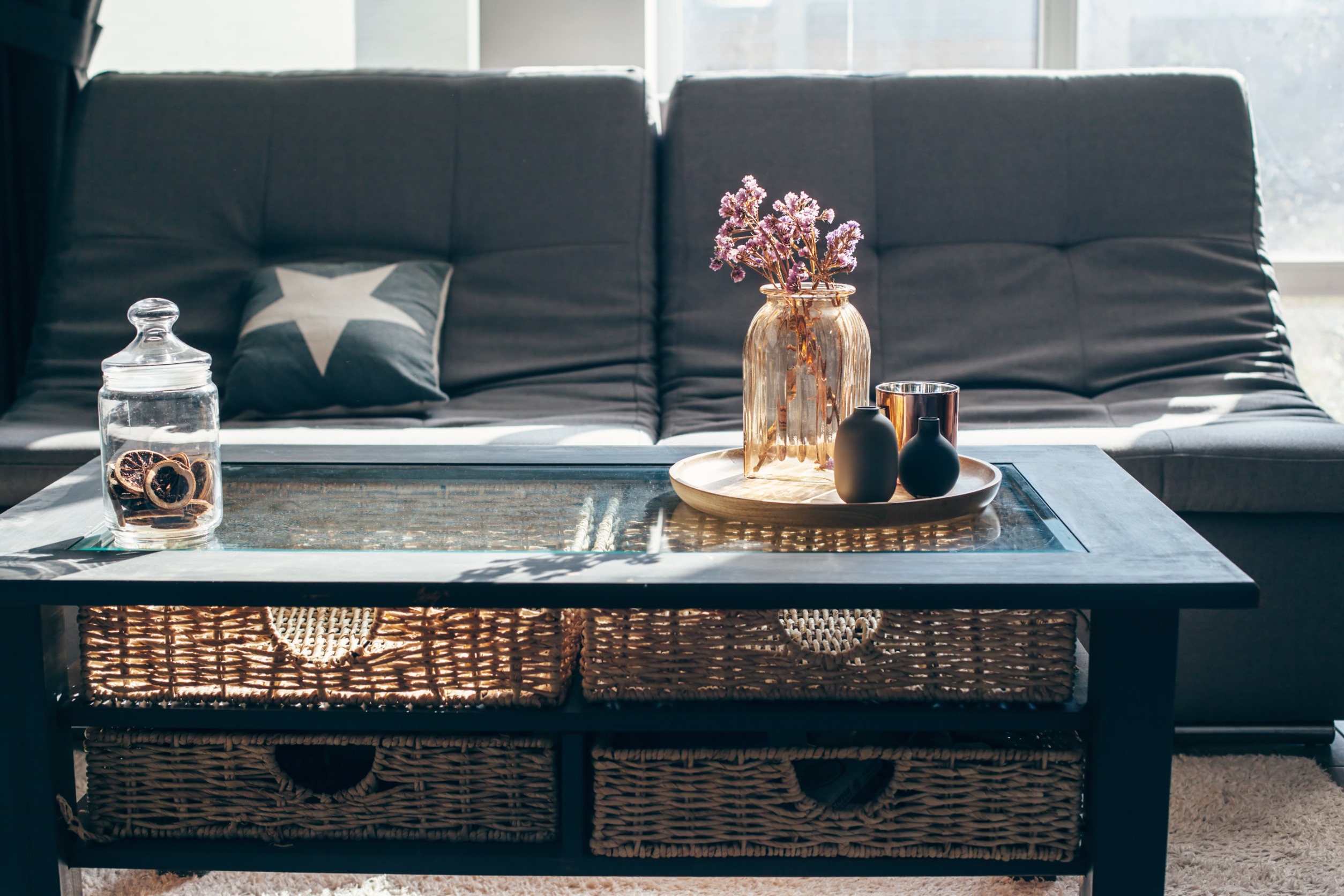
decorating small apartments with transparent furniture

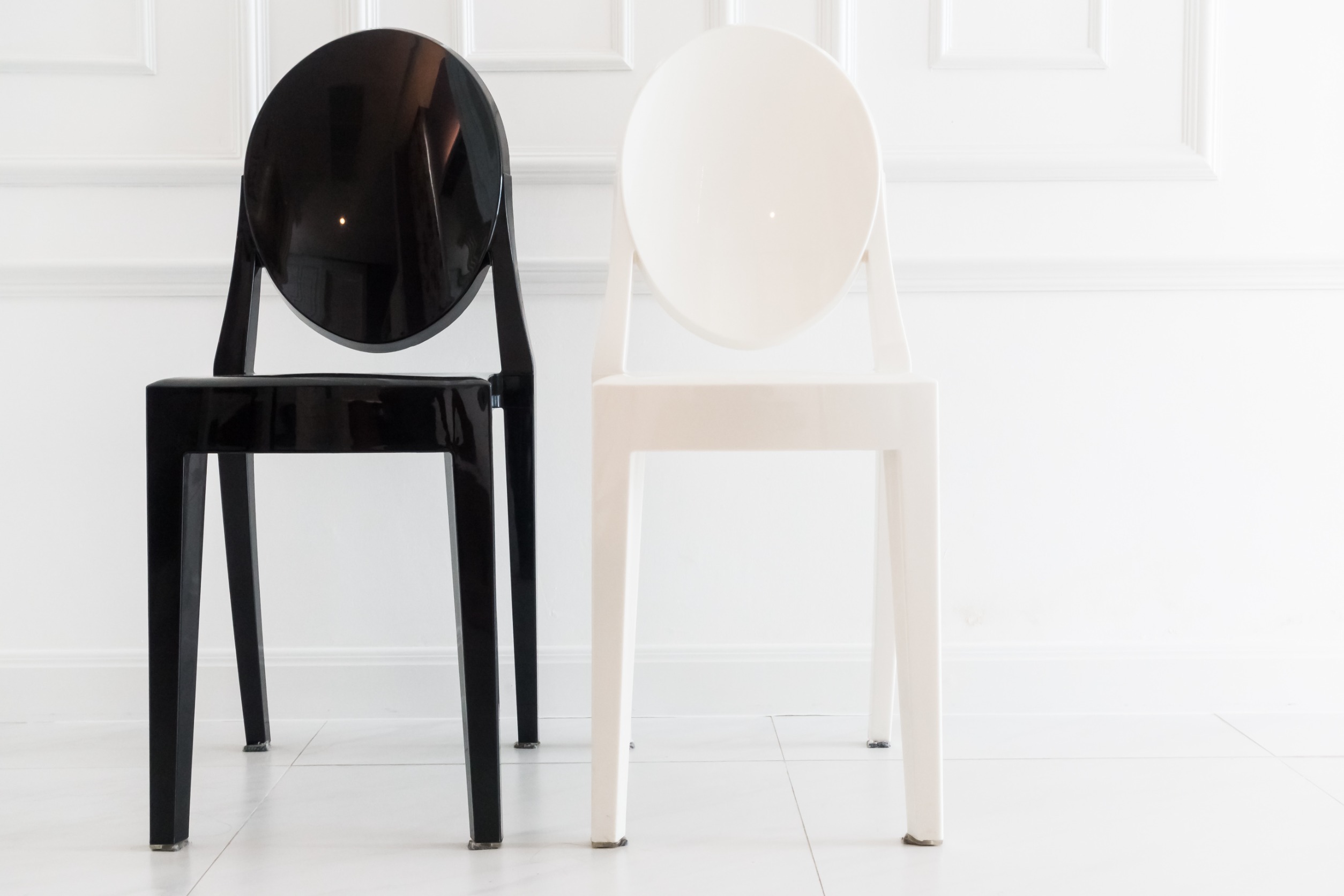
Opting for transparent furniture is an excellent strategy for maximizing the perception of space in small areas. Pieces made of materials like acrylic or glass provide functionality without visually cluttering the room. Transparent furniture, such as acrylic chairs or glass coffee tables, allows light to pass through, creating an open and airy feel. Moreover, their sleek and minimalist design adds a modern touch while maintaining a sense of spaciousness in compact living environments.

12. Declutter Regularly

declutter

Regular decluttering is essential in small apartments to maintain a sense of openness and organization. Taking time to purge unnecessary items and find proper storage solutions prevents the space from feeling cramped and chaotic. Implementing a routine for decluttering, whether weekly or monthly, ensures that clutter doesn’t accumulate and overwhelm the limited space. By regularly reassessing belongings and optimizing storage, residents can cultivate a serene and functional living environment in even the tiniest of spaces.

13. Embrace Minimalism

minimalism

Embracing minimalism in small apartments involves adopting a mindset of simplicity and intentionality in both design and lifestyle. Choosing essential furniture pieces and décor items that serve a purpose while avoiding excess clutter creates a serene and uncluttered living space. Opting for a neutral color palette, clean lines, and streamlined furnishings enhances the sense of openness and tranquility. By prioritizing quality over quantity and carefully curating belongings, residents can cultivate a minimalist haven that maximizes functionality and promotes a sense of calm in their small living quarters.

14. Add Plants

decorating small apartments with plants

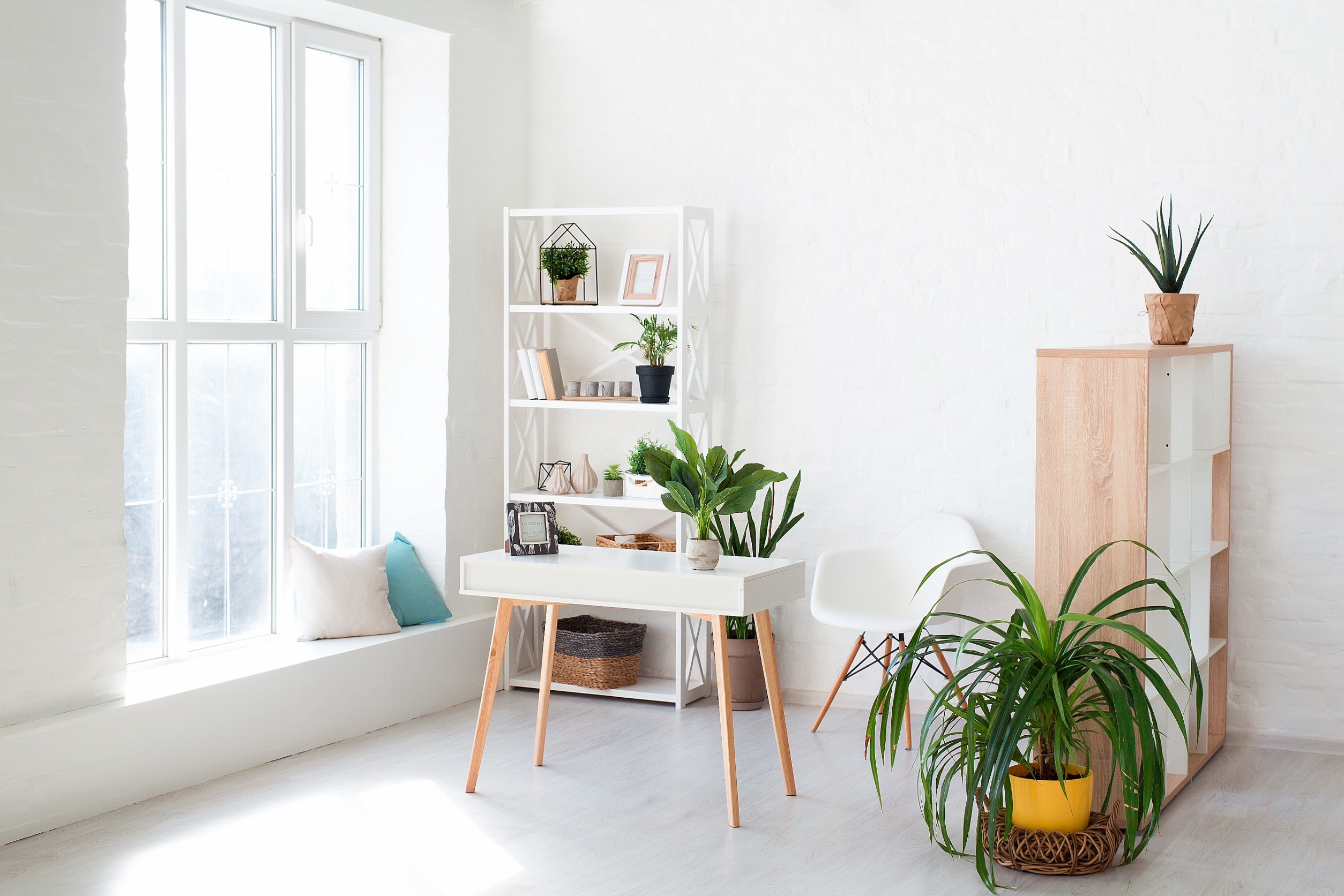
Incorporating plants when decorating small apartments brings life and vibrancy to the space, while also providing numerous benefits. Plants not only improve air quality by absorbing toxins and releasing oxygen but also add a touch of natural beauty to indoor environments. Opting for small potted plants or hanging varieties maximizes space utilization without overwhelming the room. Additionally, plants can be strategically placed to visually divide spaces or draw attention away from less desirable features, enhancing the overall ambiance of the apartment.

15. Choose Leggy Furniture

decorating small apartments with leggy furniture

Decorating with leggy furniture for small apartments is a smart strategy for maximizing the sense of space and lightness in the room. Furniture with exposed legs creates an illusion of openness by allowing light to pass underneath, making the area feel less cluttered. Opting for sofas, chairs, and tables with slender legs also visually elevates the furniture, contributing to a more spacious and airy atmosphere. This design choice not only enhances the aesthetics of the space but also enhances functionality by facilitating easy cleaning and movement around the room.

16. Personalize with Accessories

couple accessorize small apartment

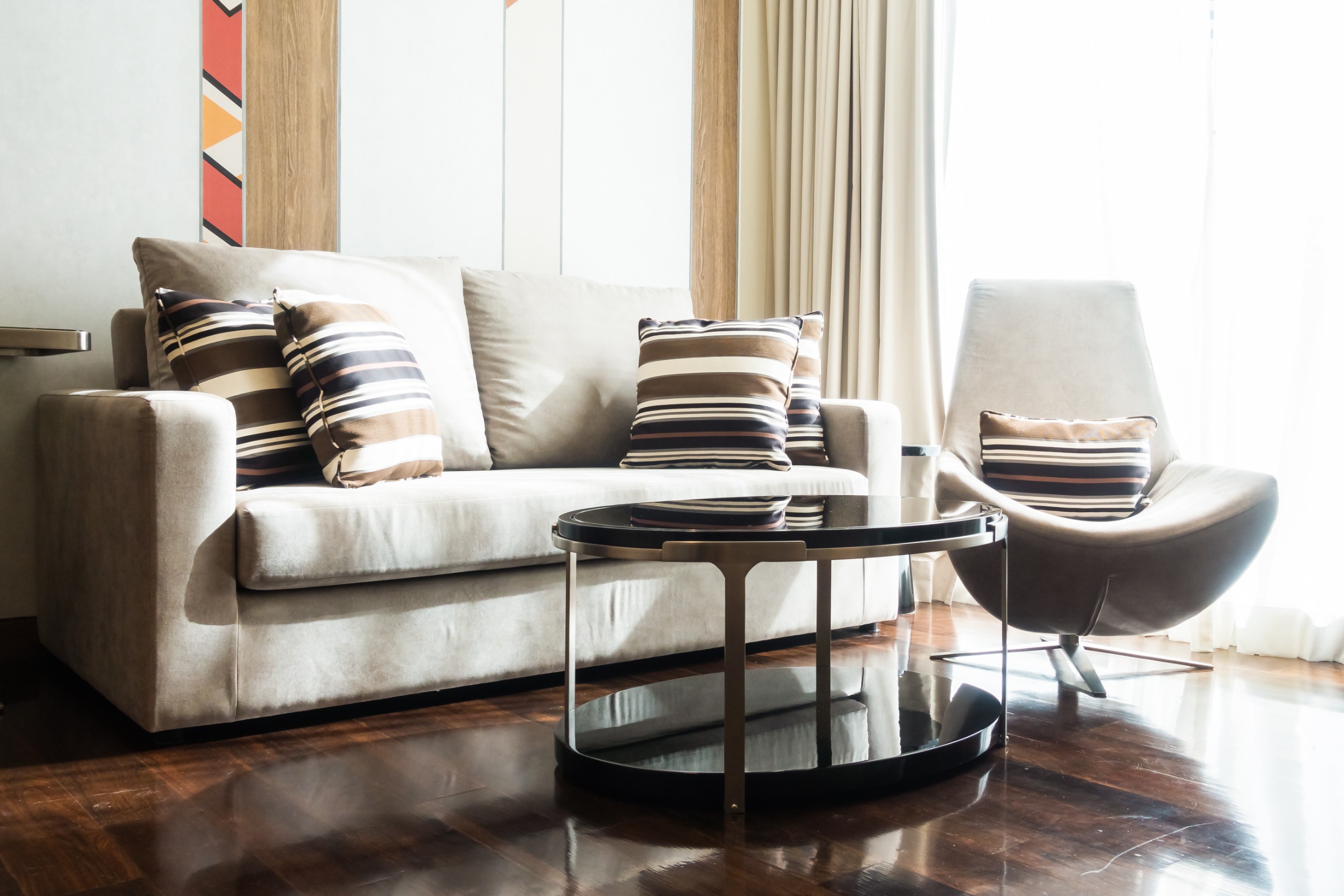
Personalizing small apartments with carefully curated accessories adds character and charm to the space without overwhelming it. Incorporating items like throw pillows, rugs, artwork, and decorative accents in your preferred style and color scheme infuses the space with your unique personality. Opt for versatile pieces that can easily be swapped out or rearranged to keep the décor fresh and dynamic. By selectively adding accessories that resonate with you, you can transform your small apartment into a cozy and inviting retreat that feels like home.

Transforming Your Small Spaces with Smart Design

decorating small apartments

By incorporating these genius decorating tips for small apartments, you can transform your home into a stylish and functional space that feels much larger than it actually is. With a little creativity and ingenuity, even the tiniest of apartments can become a cozy retreat you’re proud to call home.

Read More

14 Safety Tips for Seniors Who Enjoy Walking Alone

12 Things You Want to Know About AI, But Are Afraid To Ask

All content on Plunged in Debt is for entertainment purposes only. By reading this blog, you agree that Plunged in Debt is not responsible for any actions taken after reading this blog. For the full disclaimer.

Financial Disclaimer

Please note that Plunged in Debt has financial relationships with some of the merchants mentioned here. Plunged in Debt is funded by banner advertising, commission sales and search optimization consulting. Plunged in Debt is operated by Novara Unlimited LLC.