Is Master P Still One of The Richest Rappers?

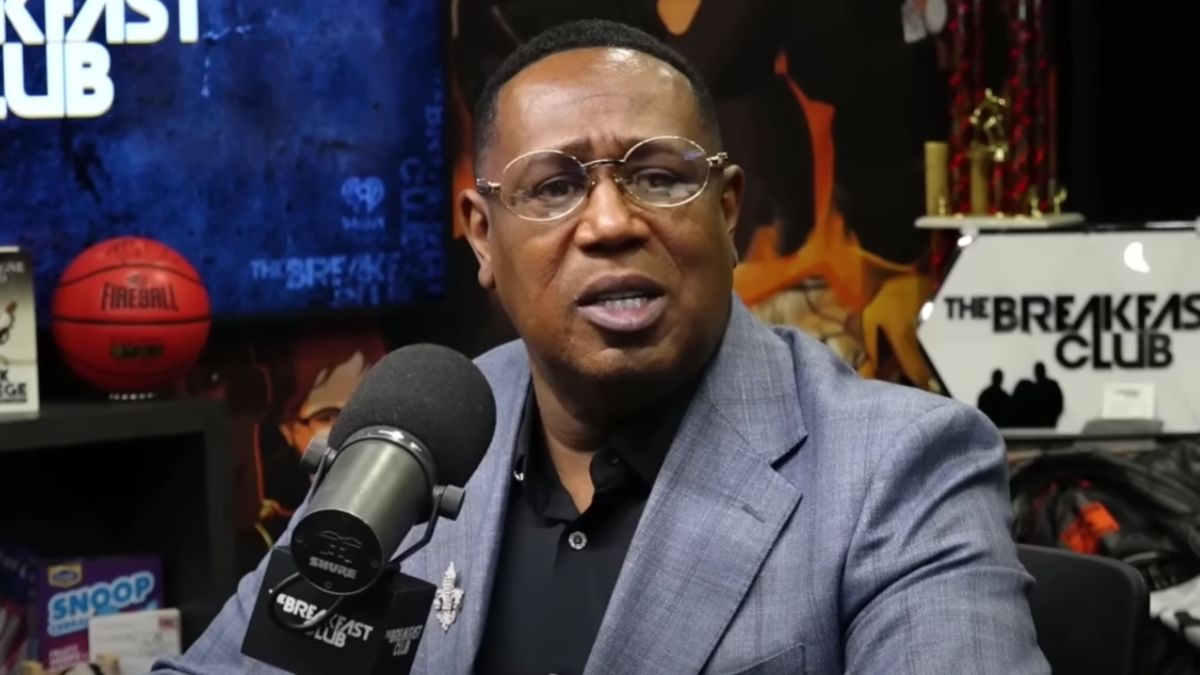
Master P Net Worth - Breakfast Club Power 105.1 FM
Image Source: YouTube/Breakfast Club Power 105.1 FM

Master P isn’t just a name from the 1990s — he’s a blueprint for what it means to turn rap into a full-blown business empire. If you care about how artists build wealth beyond music, Master P’s story shows the payoff (and pitfalls) of diversifying. With streaming, merch, real estate, and endorsements now part of many artists’ portfolios, knowing where he stands helps us understand what “richest rapper” really means today. Plus, seeing whether his net worth holds up gives insight into how sustainable wealth in hip-hop can be. So, is Master P still among the richest? Let’s break it down.

What the Numbers Say: Net Worth Estimates

Most credible sources put Master P’s net worth around $200 million as of 2024–2025. He appears on lists like Celebrity Net Worth, Highsnobiety, and others as one of the wealthier rappers, though not in the billionaire tier. But compared to top-tier moguls—like Jay-Z, Dr. Dre, or Kanye West—his fortune is more modest. Still, $200M is nothing to sneeze at; it places him well above many peer artists.

Master P’s wealth isn’t just from selling albums. He founded No Limit Records, which gave him control over his master recordings and allowed him to retain a large portion of the revenue.  He expanded into real estate (PM Properties owns over 100 properties) and developed businesses spanning film, television, fast food, clothing, auto accessories, and more. Other ventures like Rap Snacks, Master Crunch cereal, and his youth centers also contribute.

How He Ranks Among His Peers


View this post on Instagram


A post shared by Master P (@masterp)

While Master P is rich, the top of the list of richest rappers is increasingly stacked. Jay-Z is reported to be worth several billion dollars, far ahead. Dr. Dre, Diddy (Sean Combs), Kanye West, and a few others outstrip him, especially when factoring in stakes, investments, and brand partnerships. That said, he is frequently listed in the top 10–20 richest rappers globally and often among the richest from his generation.

What Challenges Could Affect His Riches

Maintaining wealth over decades is tricky, and Master P has faced headwinds. Changes in music industry revenue models (streaming vs. album sales) can shrink margins. Also, many of his older business ventures (No Limit’s dominance in the ’90s, for instance) had to adapt or fade. Real estate and physical businesses also carry maintenance, taxes, and economic risks. Plus, public visibility, relevance, and legacies matter: younger artists often attract newer investment, so staying in the loop helps.

Being among the richest rappers isn’t just about total net worth—it’s about influence, control, legacy, and ongoing revenue. Master P retains ownership of many of his business operations, giving him long-term income rather than just one-time payouts. His story matters because it shows the value of independence and diversified income. Even if he’s not #1 in dollar terms, his blueprint (label ownership, varied businesses, community investment) is as significant as the amounts. For many fans and artists, that kind of lasting power is more impressive than a flashy net worth headline.

Master P’s Place in Hip-Hop Wealth Today


View this post on Instagram


A post shared by Master P (@masterp)

Master P is still one of the richest rappers, especially when you consider his generation, his ownership, and his business diversification. He’s not topping the billionaire charts, but with roughly $200 million in net worth and many successful ventures, he is comfortably in the upper echelon. While others leap ahead by combining massive tech, streaming, or brand deals, nobody really beat his hustle in turning rap into multiple income streams. His story reminds us that building wealth in music isn’t just about hits—it’s about business smarts.

You May Also Like

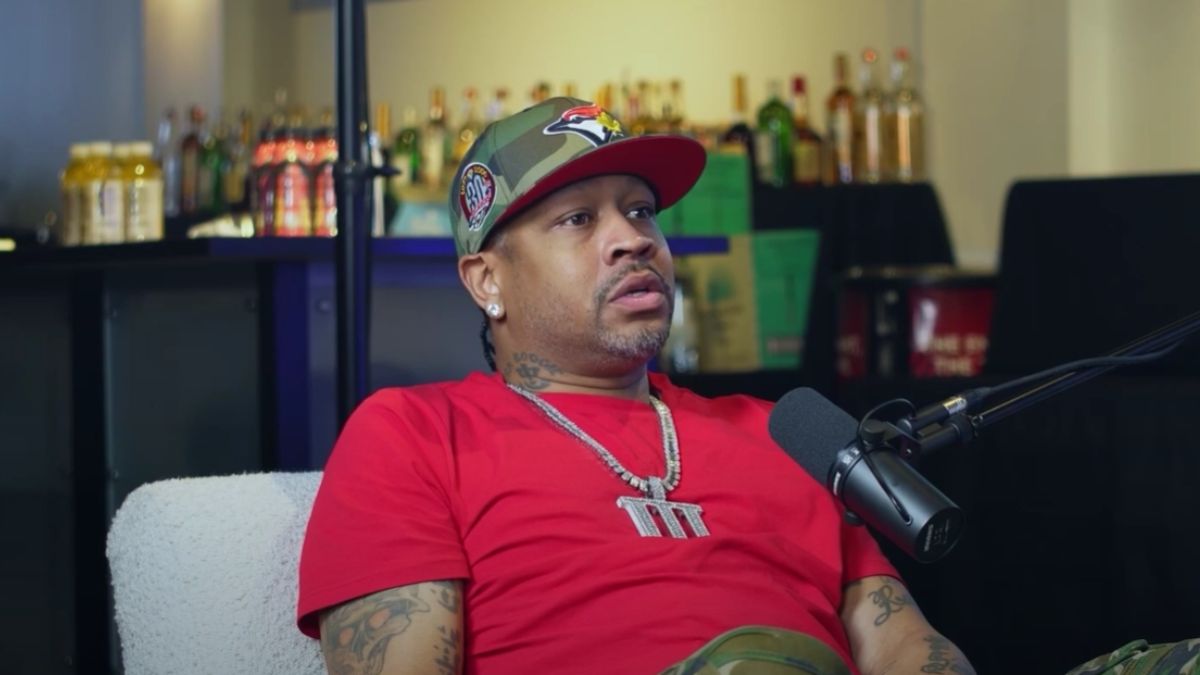
Is Allen Iverson’s Comeback the Greatest Net Worth Redemption Story Ever?

net worth redemption - Allen Iverson - The Big Podcast with Shaq
Image Source: YouTube/The Big Podcast with Shaq

Allen Iverson, once one of the NBA’s most electrifying stars, amassed huge earnings—reportedly over $150 million just from salary, with endorsements pushing that number even higher. But by the early 2010s, Iverson’s financial situation was dire: in 2012, he filed for bankruptcy, revealing that his spending—on cars, jewelry, entourage, legal fees—had outpaced even his substantial income. Fast forward to today, though, and things look very different. Through smart deals—especially with Reebok—and new roles in business strategy, Iverson is climbing back. His story raises a question: Is this comeback one of the greatest net worth redemptions in sports history?

The Lifetime Reebok Deal That Brought Stability for Allen Iverson

One of the cornerstones of Iverson’s redemption is his lifetime endorsement deal with Reebok. The deal reportedly provides Iverson with $800,000 annually for life, plus a $32 million trust fund that kicks in when he turns 55. Unlike lump-sum payouts that can be squandered, this structure forces long-term thinking. It means even if other income sources fluctuate, he has a guaranteed bedrock of financial support. Given his previous financial pitfalls, this kind of deal looks like a lifeline rather than just money.


View this post on Instagram


A post shared by Allen Iverson (@theofficialai3)

Another part of his redemption is stepping into leadership with Reebok. In 2023, Iverson became vice president of Reebok’s basketball division, working under Shaquille O’Neal, who now leads Reebok Basketball. That role gives him more than just residual checks—it gives influence and a stake in the brand’s revival. Reebok’s resurgence under Authentic Brands Group (ABG) and its nostalgia-driven strategy, featuring Iverson’s legacy, aligns with sneaker culture’s revival cycles. So his comeback isn’t just personal—it’s visible in the marketplace. If Reebok succeeds, Iverson’s financial identity and net worth could rise significantly.

Spending Past vs. Earning Present – The Gap Is Still Real

Even with these wins, his current estimated net worth is modest compared to what one might expect from someone with his career earnings. Some reports state his net worth at around $1 million, showing the harsh toll that past overspending and liabilities took. It’s also worth noting that large debts, tax issues, divorce, and lifestyle costs consumed large portions of what he earned. So while the comeback is real, there’s still a huge gap to being “secure” in the way many imagine retired superstars. However, the lifetime Reebok deal gives him a runway that many athletes don’t have.

Iverson’s comeback isn’t purely financial—it rides on culture. His legacy—on-court explosiveness, style, authenticity—still resonates in basketball and sneaker culture.  That gives him a unique brand value beyond just endorsements. Reebok, leaning on its signature shoe lines and Iverson contributing to business strategy, taps that goodwill. In today’s era, legacy and cultural capital translate into financial opportunities in ways that past athletes didn’t quite leverage as well. So his redemption is both symbolic and material.

Comparisons: Is It “The Greatest” Comeback Story?


View this post on Instagram


A post shared by Allen Iverson (@theofficialai3)

There are other athletes who’ve lost fortunes and made comebacks (like athletes who went bankrupt and then restructured, or turned to media/business). What makes Iverson’s case unusual is the structured lifetime income, the trust fund, executive role, and brand revival. He’s not just trying to get back to zero—he’s building forward. But “greatest net worth redemption” implies coming very far from a low point and achieving a durable turnaround. Iverson’s revival, while significant, is still a work-in-progress. Time will tell if he can surpass others in scale and security. Yet already, he offers a compelling template for financial redemption in the sports world.

His Net Worth Redemption Changes the Narrative

Allen Iverson’s net worth redemption isn’t just about recovering lost millions—it’s about transforming liabilities into leveraged legacy and revenue streams. The lifetime Reebok deal, executive role, and cultural relevance combine to form more than just “making ends meet.” This comeback story teaches that with the right deals, brand alignment, and long-term contracts, one can rewrite financial destiny.

For sports stars, his story raises new standards: it’s no longer enough to just earn big—you need structures to protect those earnings. Would you call Iverson’s turnaround the greatest net worth redemption story you’ve heard?

You May Also Like

Is Roger Federer A Billionaire? Here’s His Net Worth

Roger Federer's net worth - ESPN
Image Source: YouTube/ESPN

Roger Federer has long been considered one of the greatest tennis players ever—but more recently, people have been asking: Is Roger Federer a billionaire? As of August 2025, credible estimates say yes. Whether you’re curious about tennis legends, business strategy, or simply how wealth is built, exploring Federer’s finances reveals lessons for anyone interested in growing and protecting wealth. Let’s dig into how much Roger Federer is worth, where his wealth comes from, and how sustainable his net worth appears to be.

The Billionaire Status: What The Reports Say

Recent reports from Forbes put Roger Federer’s net worth at about $1.1 billion, confirming that he has crossed into billionaire territory.  Many news outlets agree, citing his investments, sponsorships, and the rise in value of his business holdings. This makes him one of just a few athletes ever to reach that milestone. Some earlier reports placed his net worth slightly higher or lower, depending on the valuation of private businesses, but consensus is strong around $1.1B. For context, that figure means Federer’s net worth now ranks him among the private investors, endorsers, and brand icons as much as former on-court superstars.

One might assume that nearly all of Federer’s net worth came from winning Grand Slams—but that isn’t the case. Over his 24-year professional career, Federer earned about US$130.6 million in prize money. While that is a massive sum, it makes up only a fraction of his current net worth. Tournament prize money typically doesn’t account for taxes, costs, travel, agents, and so on. Federer also earned large appearance fees, exhibition match payouts, and bonus payments, but even combined, these are overshadowed by his endorsement and investment income.

Big Brand Deals & Endorsements Boost Roger Federer’s Net Worth

A huge portion of Federer’s net worth comes from endorsements and long-term brand deals. He has had major contracts with Uniqlo (a reportedly $300 million deal over 10 years) after his long run with Nike. Other brands associated with him include Rolex, Lindt, Mercedes-Benz, UBS, and Oliver Peoples. Endorsement income tends to be more stable over time, especially for someone of Federer’s global stature, and contributes significantly to his net worth beyond playing earnings.

Federer’s net worth is also heavily tied to investments, particularly his stake in the Swiss brand On. He owns approximately 3% of On, which went public in 2021, and that stake alone is valued in the hundreds of millions. Other business interests include co-founding the Laver Cup, his management company Team8, and investments in companies like NetJets, Oliver Peoples, and others. These ventures diversify his income and protect his net worth against the ups and downs of sports or any single revenue source. It’s this mix of endorsement cash flows and equity in companies that pushed his net worth past the billion-dollar threshold.

Challenges & Risks to Sustaining a Billion-Dollar Net Worth


View this post on Instagram


A post shared by Roger Federer (@rogerfederer)

Even with a billion-dollar net worth, there are risks that could impact Federer’s wealth going forward. Market fluctuations can affect the value of his investment stakes (like in On or any publicly traded company). Endorsement deals can change: brands shift strategies, drop ambassadors, or renegotiate terms. Also, tax laws, currency exchange, and legacy costs (charitable obligations, maintaining brand image, personal expenses) eat into gross valuations. Finally, reputational risk or public shifts (e.g., controversy or changing consumer preferences) can affect how much brands are willing to pay. Sustaining net worth involves proactive wealth management, legal/planning strategies, and always adapting.

Roger Federer’s Net Worth Impact Beyond Money

Roger Federer’s net worth isn’t just a number—it’s symbolic of how professional athletes can build enduring wealth beyond performance in sport. His career demonstrates that prize money, while important, is often less decisive than endorsement contracts and shrewd investments. You can see how investing in equity stakes, branding, consistent partnerships, and good financial planning all contribute to creating a fortune that lasts. For fans, his financial journey shows what is possible when talent meets opportunity and business acumen. Federer’s net worth story offers lessons for anyone, whether athlete or entrepreneur, on building a legacy and wealth.

Did you expect Roger Federer’s net worth to be over a billion? What part of his financial strategy—from endorsements to investments—do you think had the biggest impact? Share your thoughts in the comments.

What to Read Next

7 Former Child Stars Whose Net Worth Surprised Everyone

From TV sitcoms to Disney streaks, these former child actors captured our hearts early—but it’s what they did next that really impresses. Many transitioned into entirely new arenas, built influential brands, or quietly earned passive income. As their fortunes grow—sometimes beyond expectations—it’s proof that early fame, when handled well, can launch lifelong success. Whether through savvy investments, savvy businesses, or smart legacy management, these seven stars turned their youthful fame into hefty wealth.

1. Frankie Muniz — Childhood Dollars, Adult Freedom


View this post on Instagram


A post shared by Frankie Muniz (@frankiemuniz4)

Frankie Muniz shocked fans when he revealed he’d earned $40 million by age 19—all from his role on Malcolm in the Middle. He reportedly made $150,000 per episode toward the end of the series, and lucrative rerun residuals helped keep that money flowing even after retirement. Despite stepping away from acting in 2008 to pursue racecar driving and other passions, he never faced the financial struggles common to many ex-child stars. His early success literally allows him to live life on his own terms today. That sort of post-career security? Definitely surprising for many.

2. Miley Cyrus — From Disney Darling to Music Mogul


View this post on Instagram


A post shared by Miley Cyrus (@mileycyrus)

Once the face of Hannah Montana, Miley Cyrus has diversified her career to heights few could have predicted. With a current net worth of approximately $160 million, she’s leveraged both television fame and her music and business ventures. From chart-topping albums to brand partnerships, her personal brand evolved well beyond Disney. She’s a case study in how early fame, when paired with reinvention, can grow into major wealth.

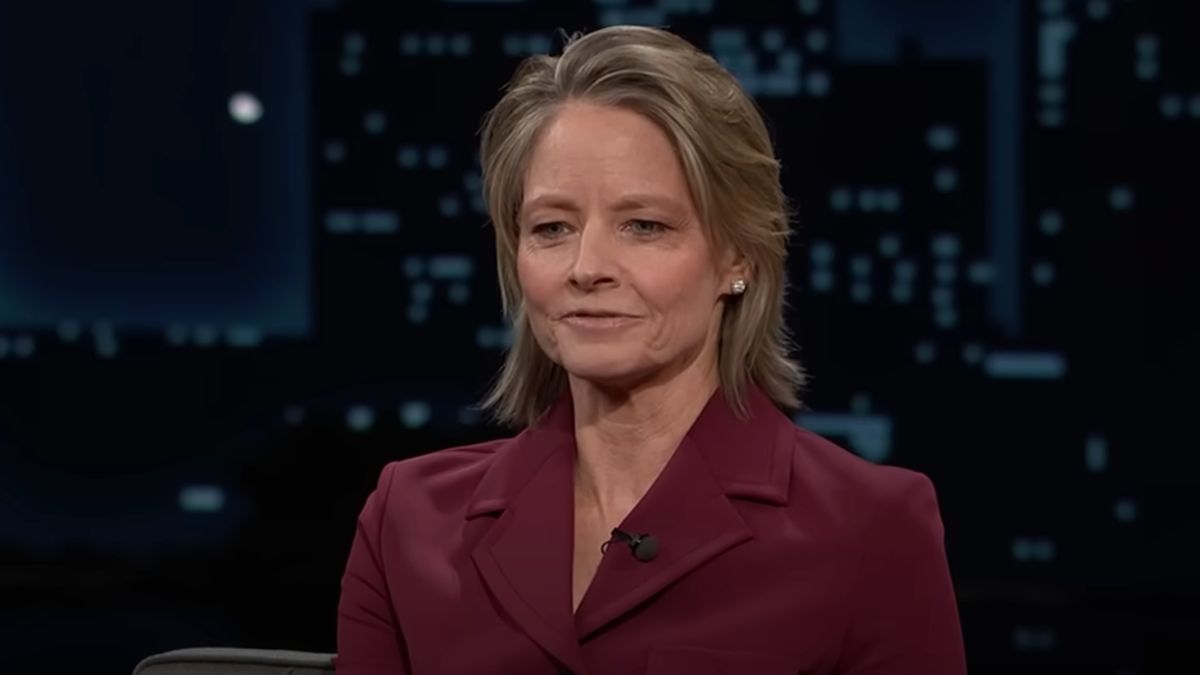
3. Jodie Foster — A Prodigy Turned Producer

net worth - Jodie Foster - Jimmy Kimmel Live
Image Source: YouTube/Jimmy Kimmel Live

Jodie Foster made history as an Oscar-nominated actress at just 12. Today, her net worth is estimated at $100 million, thanks not only to her acting roles but also to her directing and producing successes. Moving behind the camera allowed her to remain relevant, creative, and highly valued in Hollywood. Few child stars achieve that level of longevity—and fewer still parlay acting chops into executive roles. Her financial journey proves that talent plus strategy can pay off long-term.

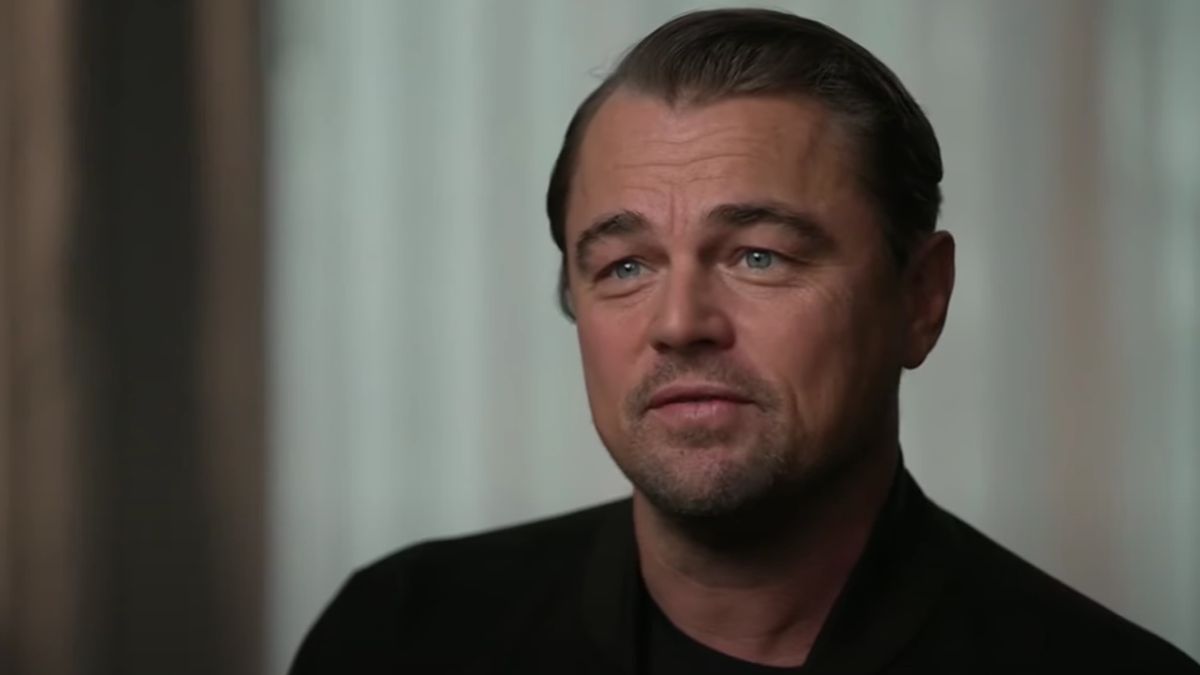
4. Leonardo DiCaprio — From Sitcom Beginnings to Film Powerhouse

net worth - Leonardo DiCaprio - ABC News
Image Source: YouTube/ABC News

Leo isn’t just an A-list name—he’s a $300 million brand. He started young, appearing in shows like Growing Pains, but today he’s among the most bankable movie stars—thanks to landmark roles in films like Titanic and Inception. His consistency, credibility, and selective role choices turned young popularity into lasting prestige. It’s rare to see a child star transition so smoothly into both fame and fortune.

5. Haley Joel Osment — Recognized Young, Rewarded Grown


View this post on Instagram


A post shared by Haley Joel Osment (@hjosment)

You remember that unforgettable “I see dead people” line, don’t you? That was just the beginning for Haley Joel Osment. His roles in Forrest Gump and The Sixth Sense earned him early acclaim—and a solid $4 million net worth today. Though he stepped away from mainstream stardom, the earnings stuck—and so did his legacy. For many, it’s surprising how steady that wealth remained long after the bright lights dimmed.

6. The Olsen Twins — From Twin Acts to Fashion Powerhouses

net worth - The Olsen Twins - TheEllenShow
Image Source: YouTube/TheEllenShow

Mary‑Kate and Ashley Olsen are perhaps the ultimate example of child stars turned moguls. From sharing the role of Michelle Tanner on Full House to launching fashion empires like The Row and Elizabeth & James, their foresight paid off big. As of 2024, their combined net worth is estimated at $500 million—a testament to their business acumen. Few former child stars transition so effectively—and profitably—into corporate leadership.

7. Iain Armitage — Teen Actor with Impressive Earnings


View this post on Instagram


A post shared by Iain Armitage (@iain)

Okay, still young, but Young Sheldon star Iain Armitage has already amassed a net worth of roughly $6 million—even before adulthood. It’s rare for teen actors to secure that kind of wealth so early, and even rarer to sustain it. As he continues acting, his early financial foothold is unusually impressive. And for fans watching him grow both on-screen and off, it’s a surprisingly mature position for someone still in school.

Early Fame, Lasting Fortune — How They Did It

What’s striking about these stories? Most didn’t just earn early—they invested in themselves and their futures. Whether through diversified careers, brand-building, or smart income management, they’ve proven that childhood fame can be a platform for real financial power. So the next time you see a familiar young face, remember—they might just be building an empire behind the scenes.

Which of these surprising net worth stories blew your mind—and who else should we spotlight next? Share your thoughts (and guesses!) in the comments!

What to Read Next…