5 Musicians Who Made More From Startups Than Their Music Catalogs

For decades, musicians have dreamed of hitting it big with albums, tours, and streaming royalties. But as record sales shrink and streaming payouts get squeezed, some artists have found bigger fortunes away from the mic — in startups, tech ventures, and bold investments. These stories aren’t just inspiring — they show you how startup success can sometimes outpace music catalogs. Below are five musicians whose entrepreneurial gambles have reportedly paid off stronger than their song catalogs. Their journeys reveal the power of aligning fame with financial acuity.

1. Nas
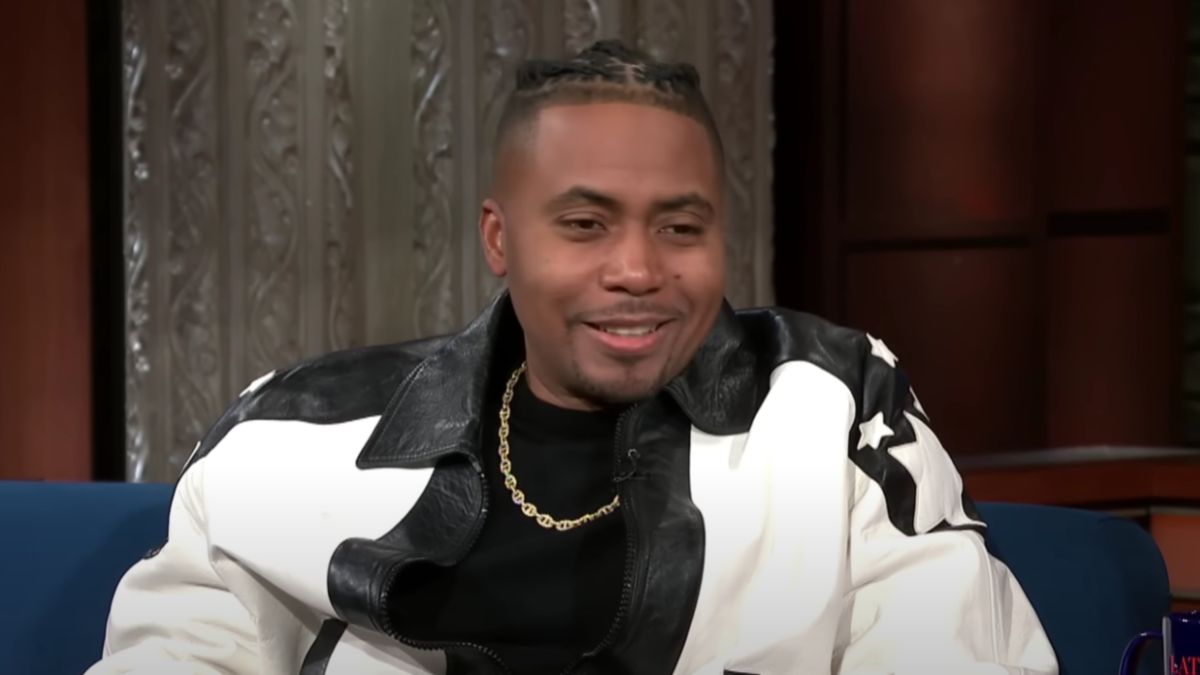
musician tech investments - Nas - The Late Show with Stephen Colbert
Image Source: YouTube/The Late Show with Stephen Colbert

Nasir Jones (Nas) co-founded QueensBridge Venture Partners, his tech investment vehicle, and put it to work backing Dropbox, Lyft, Ring, Coinbase, and more. One of those early rounds — Dropbox — is often cited as a game changer in Nas’s investment returns. Some claims suggest his investment returns since launching the firm dwarf his lifetime music revenues (though public accounting is murky). His transition from rapper to serious investor underscores how startup success can upstage catalogue income when executed well.

2. Pharrell Williams

startup success - Pharrell Williams - First We Feast
Image Source: YouTube/First We Feast

Pharrell has long extended his brand into fashion and sustainable ventures, notably with his clothing lines Billionaire Boys Club and Ice Cream. He also invested in Bionic Yarn and helped build the sustainable fabric brand behind G-Star Raw. Over time, those equity stakes and business ownership have reportedly added more to his net worth than many of his hit songs alone. Pharrell’s path is a prime example of how startup success — especially owning the backbone of a venture — can multiply returns beyond music streams. He often cites that music is his passion, but business is where longevity lies.

3. will.i.am
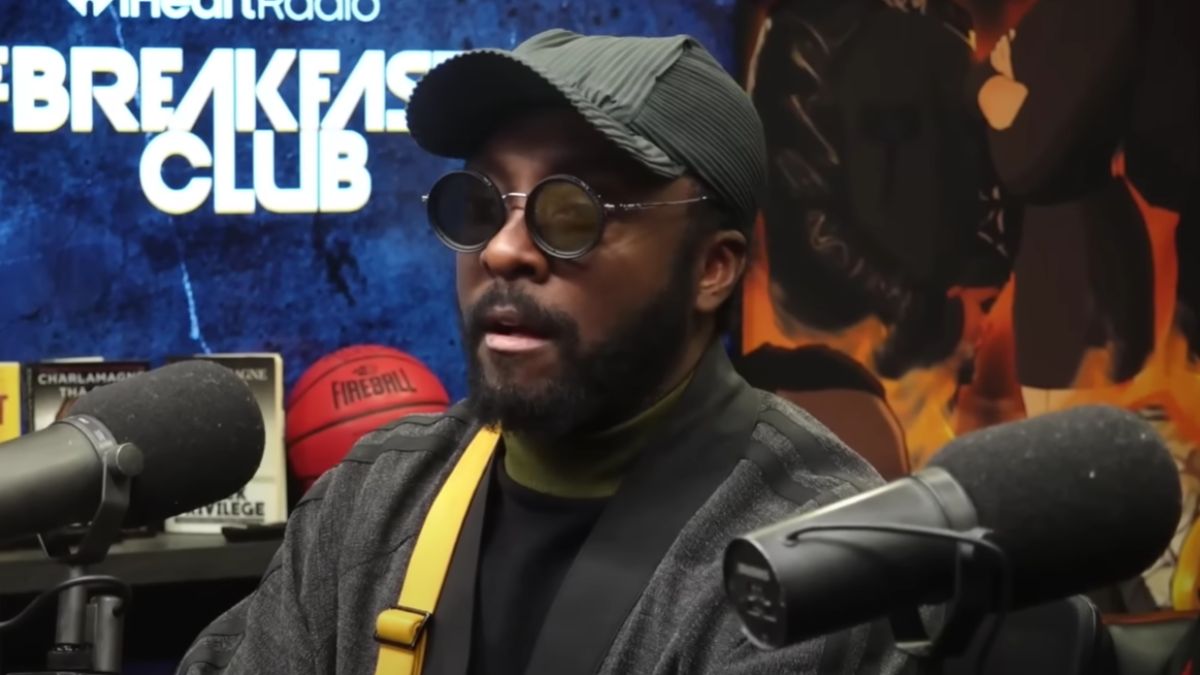
startup success - will.i.am - Breakfast Club Power 105.1 FM
Image Source: YouTube/Breakfast Club Power 105.1 FM

Will.i.am is not just a performer: he has actively invested in AI, wearable tech, and media startups. One of his early victories was being a founding shareholder in Beats Electronics — a stake that gained huge value when Apple acquired it.  Over time, he’s backed AI firms like OpenAI, Hugging Face, and more. Some tech insiders argue that his startup returns have matched or exceeded his music earnings in recent years, given the scale of those tech bets. His journey is a case study in how startup success can shift one’s financial center of gravity from art to equity.

4. Beyoncé

bad brand deals - Beyonce - ABC News
Image Source: YouTube/ABC News

Beyoncé may not be first recognized as a tech founder, but her business deals suggest she’s engineered her own form of startup success. She has launched (or invested in) brands like Lemon Perfect, WTRMLN WTR, and 22 Days Nutrition. Rather than depend purely on her catalog, she’s negotiating deals to ensure she owns equity in ventures tied to lifestyle and branding. That means her business ventures may now generate returns competitive with—or surpassing—music licensing and streaming royalties. Her long game demonstrates that startup and brand equity can power a superstar’s wealth engine.

5. Queen Latifah
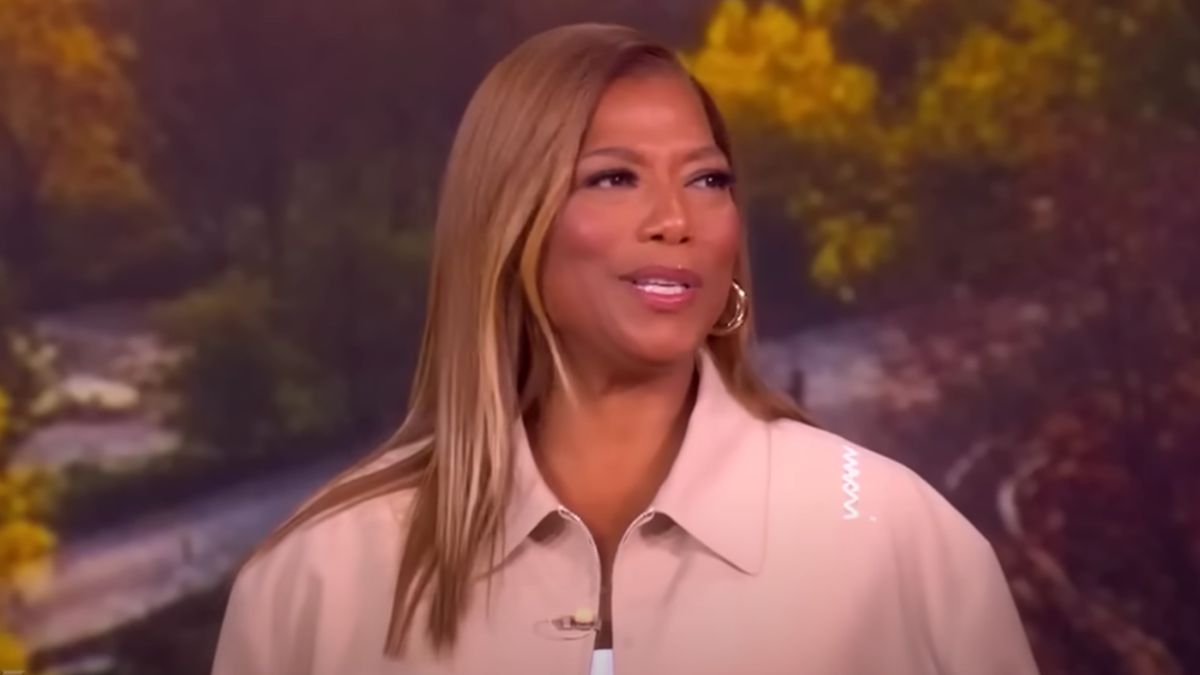
startup success - Queen Latifah - The View
Image Source: YouTube/The View

Queen Latifah branched out with production companies, beauty lines, and media ventures beyond her music career. Her entrepreneurial moves extend her earnings beyond album sales or performance revenues. For many artists of her era, diversification into creator-led businesses is the ticket to legacy wealth. While exact comparisons between startup returns and catalog income are harder to verify, her business empire is widely regarded as a core contributor to her net worth. Her career arc shows how startup success can reinforce and surpass music revenue over time.

Why These Breakouts Beat Pure Music Wins

The pattern across these five artists is straightforward: equity in startups and ownership in enterprises can scale in ways royalties rarely can. Even a massive streaming hit can plateau in earnings, while a well-chosen startup can appreciate ten or hundredfold. Startup success allows musicians to leverage their platform into positions of ownership and influence, not just licensing checks. These artists also knew early that catalogs alone would need bolstering — and they were willing to take the risk of tech and business. For musicians today, their stories point to one core truth: diversify your income so your financial future doesn’t live or die by streaming metrics.

Artists who lean into startup success are often the ones rewriting how modern musicians build wealth. The catalog still matters — but the disparity between streaming returns and high-growth equity returns means that the real financial leaps often come from business stakes. The best legacy moves combine both: catalog ownership plus startup equity. In music’s evolving economy, that’s the blueprint for enduring abundance.

Which of these musicians surprised you most — and do you believe startup success is now more lucrative than hit records? Let me know your take in the comments!

What to Read Next

7 Musicians You Didn’t Know Made Millions From Tech—Not Tunes

You might think your favorite musician makes their fortune mostly from music: albums, tours, merch. But some stars have quietly built seriously profitable tech portfolios—sometimes that tech income even rivals or outpaces their musical earnings. Knowing who they are can give you ideas about investing, diversifying, or just seeing how creative people leverage opportunity. Plus, it’s inspiring to see artists use their influence and wealth to shape tech innovations too. Let’s dig into seven musicians who’ve made millions from tech—not just tunes—and what makes their story worth your attention.

1. will.i.am: Beats, AI, and Early Stock Plays


View this post on Instagram


A post shared by Black Eyed Peas (@blackeyedpeas)

will.i.am is a prime example of a musician’s tech investments success story. He was a co-founder of Beats Electronics, which was acquired by Apple in 2014 for around $3 billion. Beyond hardware, he’s been involved in early tech ventures (like investments in AI startups, among others). He also reportedly invested in Pinterest, and his tech relationships include backing emerging tools for creators. will.i.am’s story shows how a musician can parlay fame, domain knowledge, and timing into tech windfalls.

2. Nas: From Rapper to Venture Capitalist

musician tech investments - Nas - The Late Show with Stephen Colbert
Image Source: YouTube/The Late Show with Stephen Colbert

Nas isn’t just known for his influential albums—he’s also a serious tech investor. Through his fund, Queensbridge Venture Partners, he has backed major tech companies like Dropbox, Lyft, and Coinbase. Those moves have turned into big returns, sometimes tens or hundreds of millions. He mixes passion and strategy, seeking out companies that align with his values as well as financial upside. His role reminds us that musician tech investments aren’t just side gigs—they can become full-fledged wealth builders.

3. Spectacular Smith: From R&B Group to Tech Founder

Many might not know Spectacular Smith (of Pretty Ricky) has crossed deeply into tech. He founded Adwizar Inc. and runs Spectacular Academy—businesses that are tech-oriented, not just performance or music distribution. He’s had success scaling these ventures; estimates place his net worth in the hundreds of millions, largely driven by tech and entrepreneurial work beyond music. Smith is a clear example of musicians wanting to build a second act in the startup world or tech infrastructure.

4. Trevor McFedries: Virtual Avatars & Web3 Worlds


View this post on Instagram


A post shared by Trevor McFedries (@whatdotcd)

Trevor McFedries, also known by his stage name Yung Skeeter, moved from DJ/music work into co-founding Brud, the company behind virtual influencer Lil Miquela. McFedries has raised many millions in funding for Brud, which operates at the intersection of tech, media, social platforms, and virtual/augmented reality. The venture shows how musician tech investments don’t necessarily have to be in hardware or traditional VC; digital art, virtual identity, and social media tech are growing fast. For creative musicians, blending artistry and tech like this can be not only profitable but deeply innovative.

5. Imogen Heap: Artist, Inventor, Tech Pioneer


View this post on Instagram


A post shared by Imogen Heap (@imogenheap)

Imogen Heap is known for pushing musical boundaries, but she’s also built tech innovations. She created Mi.Mu Gloves—gesture-controlled musical gloves—and founded Mycelia, a blockchain-based platform for artist rights and decentralized music sharing. She’s also deeply involved in NFTs and rights-management platforms, staying ahead of many peers in terms of digital experiment and infrastructure. While perhaps not every project turned into a multibillion-dollar exit, her tech work has both cultural and financial impact. Heap’s model shows how musician tech investments can align with values: fairness, rights, and new ways to make music.

6. Jaden Smith: Startups, Sustainability & Tech Values

Jaden Smith has invested in tech through eco-friendly or alternative startups long before many mainstream celebs caught on. He co-founded JUST Water and invested in Impossible Foods and other companies with sustainable or disruptive missions. His approach shows musician tech investments aren’t limited to obvious tech like apps or hardware—they can be climate, food, or materials tech too. That kind of diversity helps spread risk and can lead to strong returns, especially as society shifts toward sustainability. If you like socially responsible work, his path is an example of mixing influence, values, and smart tech investment.

7. Matt Bellamy (of Muse): AI, Fintech & UK Startups


View this post on Instagram


A post shared by Matt Bellamy (@mattbellamy)

Muse’s frontman Matt Bellamy has quietly become active in tech investments, particularly in the UK and in AI or fintech sectors. He invested in the London-based startup Bloomsbury AI and others connected to overseas tech hubs. His involvement suggests musician tech investments aren’t always about major public announcements—they can be subtle, early-stage, high upside plays. Bellamy’s approach shows how someone known for stage performance can also be deeply plugged into the backstage of tech innovation. For artists curious about investing, his example highlights that you don’t need to move away from your home base to have an impact in tech.

What These Musicians Teach About Tech, Wealth & Creativity

These seven examples of musician tech investments illustrate a few big lessons. First: diversifying income beyond music isn’t just smart—it’s increasingly necessary in an era of streaming and shifting industry economics. Second: many successful musician tech investments align with personal values—health, rights, sustainability—which often amplifies both impact and investment success. Third: early bets, even small ones, can grow large if you pick the right sector and partners. Finally, having fame or a platform helps, but what matters more is vision, authenticity, and persistence. For any musician or creative person, following these models can mean turning passion and smarts into generational wealth.

Which musician’s story surprised you most—and is there a musician you know who’s making moves in tech but hasn’t gotten enough spotlight? Share what you’ve learned or who you think deserves recognition in the comments.

You May Also Like