5 Talk Show Sidekicks Who Secretly Make More Than the Hosts

You might think the talk show host is the highest earner on set—but that’s not always true. In many cases, sidekicks, announcers, or bandleaders are making serious money behind the scenes—and sometimes earn more than the host themselves. Salary disclosures are rare, but what’s known about sidekicks’ compensation shows a surprising pay dynamic. If you’ve ever wondered whether the sidekick might be cashing bigger checks than the host, these nine personalities might just prove it. Let’s peel back the curtain on talk show sidekicks’ salary secrets.

1. Andy Richter (Conan O’Brien)

talk show sidekicks salaries - Andy Richter - Team Coco
Image Source: YouTube/Team Coco

Andy Richter became Conan O’Brien’s trusty sidekick when Late Night with Conan O’Brien debuted in 1993. Though Conan’s salary has been estimated in the millions, Richter has long been called “the richest late-night sidekick” thanks to lucrative contracts and years of consistent work. His earnings reportedly rival—or even surpass—those of some early Conan contracts. While Conan earned big as a host, Richter’s steady multi-decade paycheck established him as one of the most well-compensated sidekicks in the genre. That makes him a standout case where a talk show sidekick’s salary may exceed expectations.

2. Guillermo Rodriguez (Jimmy Kimmel Live!)
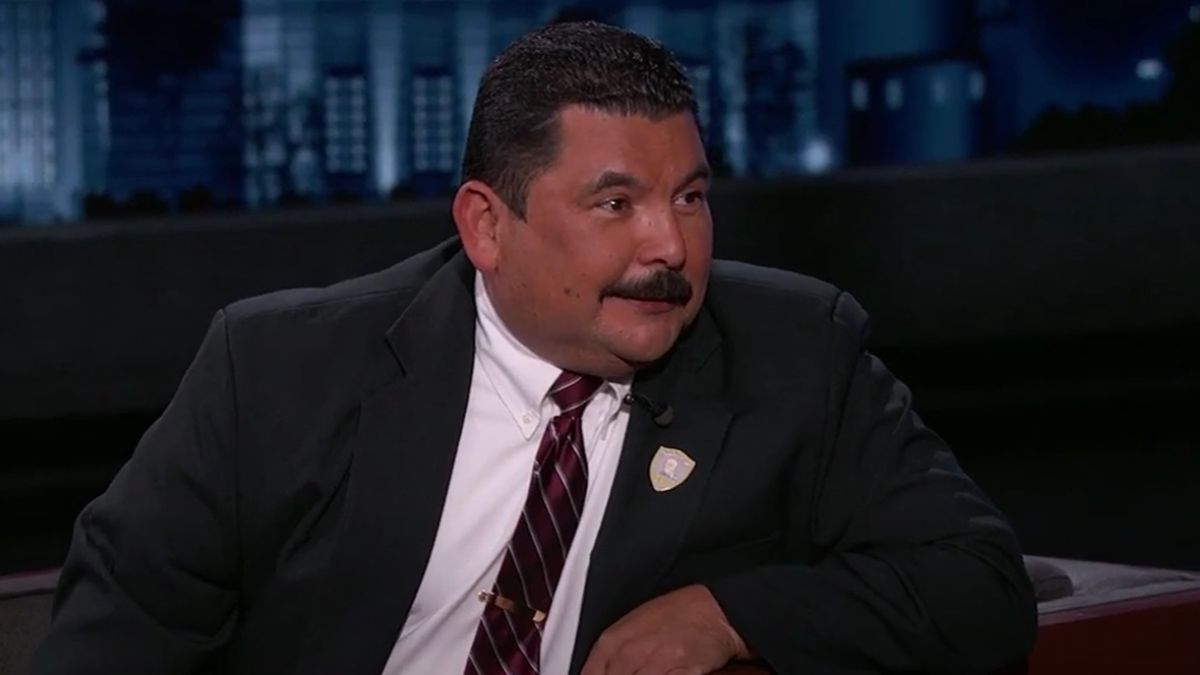
talk show sidekicks salaries - Guillermo Rodriguez - Jimmy Kimmel Live
Image Source: YouTube/Jimmy Kimmel Live

Guillermo Rodriguez is often introduced as Jimmy Kimmel’s parking lot security guard-turned-sidekick, delivering viral red-carpet moments and on-screen humor. Surprisingly, reports estimate Guillermo earns about $500,000 per season, adding up to roughly $3 million in net worth. Given that Jimmy Kimmel is known to make around $15 million annually, Guillermo’s paycheck isn’t quite more, but considering his secondary status, it’s unusually high. Fans and media have joked that Guillermo deserves a raise—and his pay reflects growing star power behind the host. He demonstrates how a sidekick can become essential—and highly paid.

3. Paul Shaffer (David Letterman)
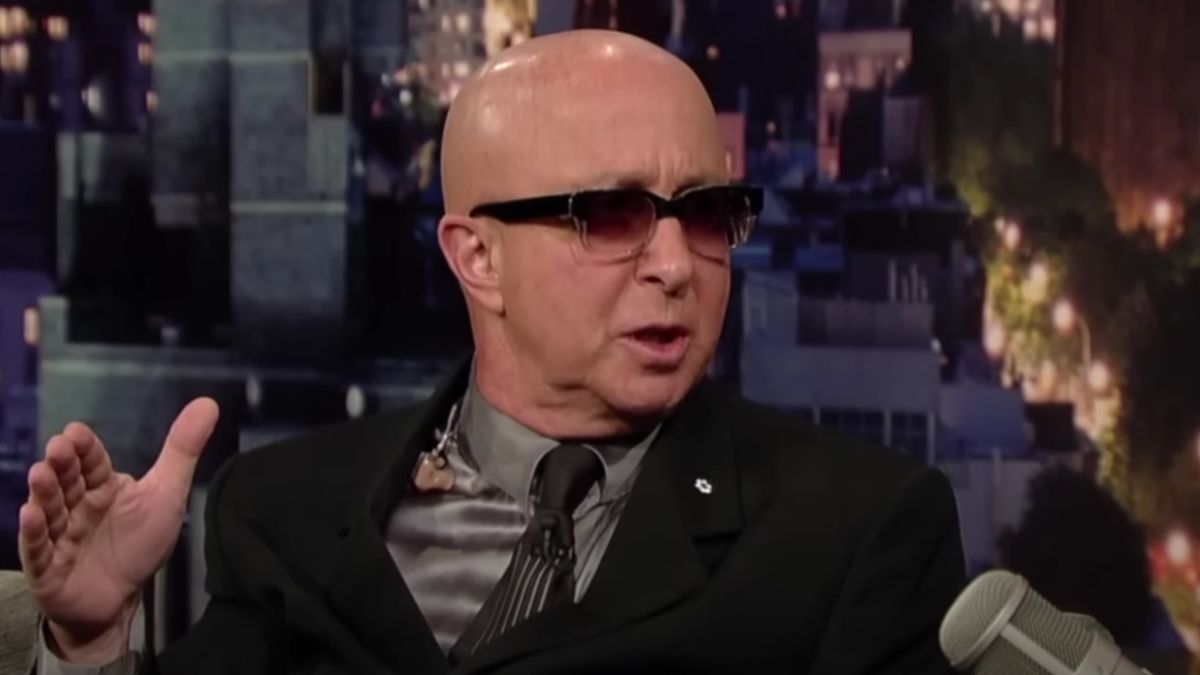
talk show sidekicks salaries - Paul Shaffer - Letterman
Image Source: YouTube/Letterman

Paul Shaffer served as bandleader and sidekick for The Late Show with David Letterman, and his role was worth far more than background accompaniment. Though Letterman’s contract reportedly reached upwards of $50 million annually in his prime, Shaffer’s compensation was often one of the highest-paying bandleader salaries in late-night TV. His dual role—providing musical direction and comedic interplay—made him indispensable. While exact numbers aren’t disclosed, insiders have long acknowledged Shaffer as one of the most generously paid sidekicks. His example shows how multi-role talent can eclipse expectations in talk show sidekicks.

4. George Fenneman (Groucho Marx)

George Fenneman was an announcer and sidekick on You Bet Your Life, Groucho Marx’s long-running quiz show. Though Groucho was the star, Fenneman reportedly earned more early in his career—starting at $55 per week when Groucho had guaranteed contract terms including profit shares. Over time, announcers typically earned flat salaries, while hosts took home residuals. In Fenneman’s era, a reliable announcer was valued and compensated accordingly. It shows how true talk show sidekicks’ salary history has long had hidden twists.

5. Geoff Peterson (Craig Ferguson)

The robot skeleton sidekick Geoff Peterson became a fixture on The Late Late Show with Craig Ferguson. Though voiced by Josh Robert Thompson, the character is credited alongside creators Grant Imahara and others. While exact salaries aren’t public, insiders note Peterson was part of a major revamp of Ferguson’s show and was treated as talent—not just a novelty. That may translate into a substantial salary that, in aggregate across stakeholders, rivaled segments of Craig Ferguson’s compensation. It’s another example of non-host talent valued highly.

Sidekicks Are More Than Just the Laugh Track

Whether it’s Andy Richter, Guillermo, or even a robot skeleton, these sidekicks show that fame isn’t the only path to pay. Many hosts get the headline name, but sidekicks often bring essential charisma, content, and continuity—and increasingly, compensation to match. So next time you tune in, remember: the name above the desk may get the spotlight, but some of the biggest checks go to the dependable voices beside them. Understanding talk show sidekicks salary reveals just how much influence—on and off screen—the sidekick can wield.

Which sidekick surprised you the most? Share your pick in the comments—did any of these earn more than their host, in your opinion? Let’s debate!

Read More

What It Pays to Be the “Voice” of a Cartoon—We Looked at 6 Stars

10 Celebrities Who Make More from YouTube Than Hollywood


10 Celebrities Who Had to Fight to Make a Comeback After a Major Flop

A blockbuster career can come crashing down in a single flop. Whether the project bombs at the box office or blows through the budget, celebrities often lose more than their pride—they lose their paychecks, their rep, and sometimes their life savings. This isn’t gossip; it’s a harsh reality of showbiz economics. For people in the spotlight, there’s no reset button—just weeks, months, or years of scrambling to recover. Here are ten major flop stories that left some celebs wondering, “Now what?”

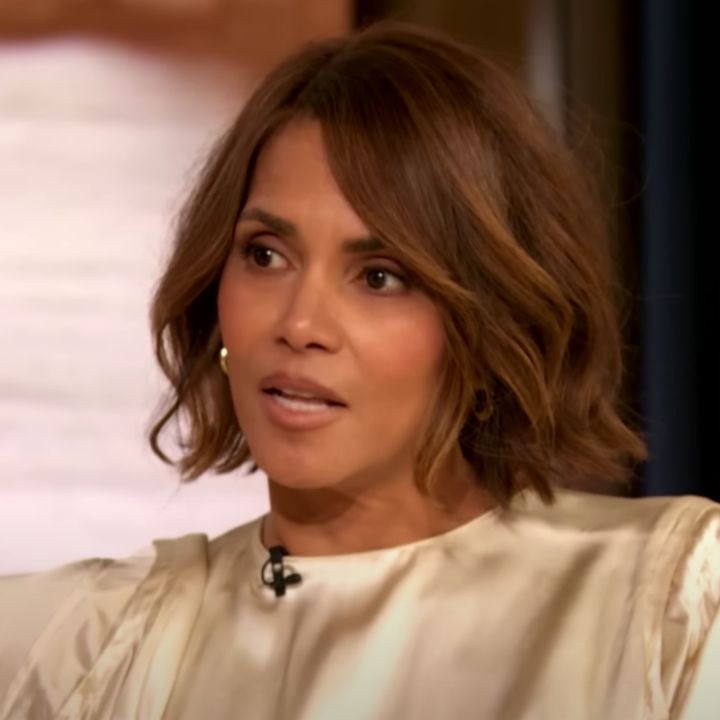
1. Halle Berry – Catwoman (2004)

celebrities major flop - Halle Berry - The Drew Barrymore Show
Image Source: YouTube/The Drew Barrymore Show

After winning an Oscar for Monster’s Ball, Halle Berry took a leap with Catwoman. The film was critically panned, grossed poorly, and became a punchline. Despite her stature, the flop hurt her bankability; she lost franchise momentum and high-profile roles. Catwoman became a career cautionary tale for prestigious award-winners turning to high-budget genre films. The financial damage wasn’t public, but Berry’s career downtime said it all.

2. John Travolta – Battlefield Earth (2000)


View this post on Instagram


A post shared by John Travolta (@johntravolta)

Travolta invested heavily in Battlefield Earth, both as lead actor and co-producer. The film bombed—grossing only $29.7 M on a $44 M budget—and drew harsh critical fire. The fallout tarnished Travolta’s confidence and Hollywood buzz for years. Industry insiders said the flop triggered a downgrade in A-list offers, delaying his next big comeback. That financial and reputational dent lingered long after the credits rolled.

3. Jason Isaacs – Peter Pan (2003)


View this post on Instagram


A post shared by New York Magazine (@nymag)

Jason Isaacs was high from his Harry Potter fame when he starred as Captain Hook. But this Peter Pan bombed, pulling in just $122 M on a $130 M budget. Isaacs described it as “the lowest I’ve ever been” professionally. The flop led to agents dropping calls and roles drying up. He later rebuilt with TV gigs like The White Lotus, but the psychological and career setbacks were real.

4. Kim Basinger – Boxing Helena (1993)


View this post on Instagram


A post shared by Kim Basinger (@kim.basinger)

Basinger withdrew from Boxing Helena post-commitment, triggering a lawsuit for breach of contract. She lost a massive $9 M and filed for bankruptcy. Though not a direct flop, the movie’s legal aftermath obliterated both her finances and studio trust. Following the scandal, marquee roles dwindled and Basinger faded from the A-list. It took years of modest roles to rebuild her career.

5. Cyndi Lauper – Blue Angel Album (1980)


View this post on Instagram


A post shared by Cyndi Lauper (@cyndilauper)

Though primarily a singer, Lauper’s flop with Blue Angel pushed her into bankruptcy in 1981. The financial devastation forced her to work outside entertainment, restaurants, and retail to stay afloat. Her rebound two years later with She’s So Unusual was remarkable, but only after hitting rock bottom. This story shows how bonuses and flops can lead to ruin, even for talent in different entertainment fields.

6. Raj Kapoor – Mera Naam Joker (1970)

Bollywood icon Raj Kapoor took six years and substantial funds to produce Mera Naam Joker. The epic misfired at the box office, leaving him in crushing debt. Distributors even refused his next film unless they saw it first—a humiliating sign of lost industry trust. Kapoor had to rebuild his finances and reputation from scratch. Despite later success, the flop remained a painful lesson.

7. Nicolas Cage – Vampire’s Kiss (1989)

Cage financed Vampire’s Kiss, a bizarre gamble that flopped on release. While it later gained cult appreciation, it damaged Cage’s standing in Hollywood at the time. He spent the early 1990s taking costly roles to pay back loans and stabilize his finances, and ended up in IRS trouble by the 2000s. He’s since rebounded, but the financial blow reshaped his career choices and spending habits.

8. Gary Coleman – Post-Diff’rent Strokes

Child-star Coleman earned $100 K per episode and became iconic, but mismanaged funds led to repeated bankruptcy filings. He sued his parents for financial abuse, but medical and legal costs took a toll. Flops as an adult actor left him with little to fall back on. By his death, Coleman was nearly penniless and performing minor guest roles—his early fortune vanished.

9. Corey Haim – License to Drive Fallout

License to Drive was Haim’s teenage hit, but afterward, he struggled professionally and financially. Depression and addiction followed, and a lawsuit tied to an insurance claim sank his remaining funds. He filed for bankruptcy in 1997 and never regained his footing in Hollywood. The combo of flop-induced stress and personal turmoil closed off his comeback prospects.

10. John McTiernan – Director of Flops

Though not an actor, McTiernan’s string of late-career film flops (Basic, Rollerball) led to bankruptcy amid legal and IRS entanglements. His financial ruin was compounded by prison time and foreclosure. He never directed another Hollywood feature after 2003. His career’s downfall serves as a cautionary parallel to actors caught in box office failures.

Flops Aren’t Just Bad Movies—They Can Be Financial Landmines

From A-list actors to child stars, a major flop can inflict lasting damage, financially and psychologically. These ten stories under the actor’s major flop keyword illustrate how even top-tier talent can lose everything overnight. For actors, a single bad project can ruin careers; for everyone else, it’s a sobering lesson in risk, especially when creative passion meets unchecked investment. Know the stakes before you bet the farm—Hollywood sometimes cashes the checks you can’t.

Have you followed any of these stories—or know someone impacted by a flop, on or off screen? Join the conversation below!

Read More

7 Celebrities Who Live Below Their Means—Despite Being Worth Millions

10 Reality TV Stars Who Built Empires After the Cameras Stopped

These Reality TV Couples Built Massive Empires (And Then Split the Fortune)

reality tv couple empires - Kyle Richards - Bravo
Image Source: YouTube/Bravo

Understanding how reality TV couples build empires—and lose them—can reveal powerful lessons about relationships, legacy, and finances. From explosive HGTV ventures to luxury real estate portfolios, we’ve seen stars turn screen time into business brands. But when relationships end, so do partnerships—sometimes cleanly, often chaotically. These stories show how you can build together… and walk away prepared. 

1. Tarek El Moussa & Christina Hall – From $700 Flats to Flip-Profits

Tarek El Moussa and Christina Hall (formerly Anstead) rose from foreclosure survivors to HGTV power couple stars with Flip or Flop. They built a flipping empire, millions in real estate deals, property education, and follow-up shows. Even after their 2016 divorce, both leveraged their HGTV credentials into solo opportunities—Tarek with Flipping 101, and Christina on her own interior design ventures. Their empire split financially, but preserved both brands in the public eye. Their story shows that with smart planning, joint ventures can survive separation, and each partner still emerges strong.

2. Mauricio Umansky & Kyle Richards – When Real Estate Mogul Meets Reality Star


View this post on Instagram


A post shared by Kyle Richards (@kylerichards18)

Kyle Richards and Mauricio Umansky were long-established before their relationship: Mauricio co-founded the powerhouse real-estate firm The Agency, valued in the billions, and Kyle was an original RHOBH star. Together, they formed a business and media powerhouse. Despite an ongoing estrangement, Kyle is reportedly positioned to receive a substantial stake—possibly billions—should they divorce. Their story highlights how even unequal reputational and financial contributions can lead to huge settlements. They remind us that sharing success means planning for shared outcomes.

3. Jon & Kate Gosselin – From TLC Fame to Child-Custody Complexities


View this post on Instagram


A post shared by Kate Gosselin (@kateplusmy8)

Jon and Kate Gosselin skyrocketed to fame with Jon & Kate Plus 8, built a bestselling cookbook and nationwide brand, but ended with a headline-making divorce. Their joint fame turned in months as they navigated child custody, reality show demands, and shaken sponsor relationships. The empire they built crashed while going through splits in both show rights and household leadership. Kate retained custody and star power, Jon declined in influence, showing how family-empire cracks can unbalance who truly controls the legacy. Their saga is a masterclass in how quickly building empires can unravel without solid agreements.

How They Handled the Split—and What You Can Learn

Each couple navigated separation differently, but a few themes emerge:

  • Pre-divorce business planning matters: Contracts, co-ownership agreements, non-compete clauses, and brand licensing can save both parties and preserve brands.
  • Standalone brand value works in your favor: Post-split, both Tarek and Christina continued hosting shows and closing deals, each carrying strong individual brands built early on.
  • Asset disclosure and transparency matter: Kyle and Mauricio’s case reminds us that full asset analysis—especially when enterprises roll over into personal wealth—is critical. Courts value transparency.
  • Creative control stays relevant: Jon and Kate’s decline underscores the value of keeping business separate from personal identity, even on family reality platforms.

A Takeaway: Partnership Empires Require a Plan for the Endgame

Building a business together? Make sure you plan for separation. You might not be famous, but joint ventures, shared ownership, common property, and family dynamics can all turn assets into flashpoints. Learn from real stories—have the paperwork ready before you’re at the contract table. That way, if things fall apart, your empire—or your piece of it—doesn’t.

Have you seen other reality-TV couples build—and lose—their fortunes? What advice would you give someone building a business with a loved one? Share your thoughts below!

Read More

What’s the Net Worth of the Most Hated Reality Star on TV?

These 8 Reality Stars Made More Than A-List Actors Last Year

From Reality TV to OnlyFans: The Unexpected Side Hustles of TLC Celebs

When it comes to TLC celebs, the drama doesn’t end when the cameras stop rolling. With reality TV fame often comes a cult following, and many TLC stars are cashing in. Some have launched unexpected businesses, while others have tapped into more controversial platforms like OnlyFans to earn extra income. Whether it’s about building a brand or just staying relevant, these side hustles offer a fascinating look at how reality stars turn fleeting fame into lasting money. Spoiler alert: these ventures are anything but ordinary.

1. Larissa Lima (90 Day Fiancé) – From TLC to Top Earner on OnlyFans

Larissa became a household name on 90 Day Fiancé, known for her fiery personality and tumultuous relationship with Colt. After leaving the show, she shocked fans by launching an OnlyFans account—and quickly became one of its top earners. She’s been candid about using plastic surgery to create a “brand” that caters to her online followers. With exclusive content and a dedicated subscriber base, Larissa’s hustle proves that reality TV is just the launchpad. Whether fans support or criticize her choices, she’s definitely monetizing her fame on her terms.


View this post on Instagram


A post shared by Larissa Cristina (@larissalimareal)

2. Miona Bell (90 Day Fiancé) – Hair Care Entrepreneur

Miona Bell took her spotlight from 90 Day Fiancé and flipped it into a beauty business. She launched Miona Beauty, a line of ponytail extensions and hair accessories inspired by her signature glam look. Her online store took off, especially with help from TikTok and Instagram fans. Unlike some TLC celebs who focus on fast cash, Miona built a full-fledged brand. She’s proof that the best side hustle can start with a strong personal style and savvy marketing.


View this post on Instagram


A post shared by MIONA (@mionabell)

3. Stephanie Matto (90 Day Fiancé) – Selling Farts and NFTs

Perhaps one of the most eyebrow-raising TLC side hustles comes from Stephanie Matto. First she went viral for selling jars of her farts—yes, really—and then pivoted to fart-themed NFTs. While the headlines may seem ridiculous, she reportedly made six figures from this odd business model. She now sells content through various platforms and runs her own fan site, Unfiltrd. Stephanie has turned shock value into serious revenue, showing how outrageous branding can sometimes win big.


View this post on Instagram


A post shared by Stephanie Matto (@stepankamatto)

4. Angela Deem (90 Day Fiancé) – Paid Cameos and Brand Collabs

Angela is one of the most polarizing figures on 90 Day Fiancé, and she’s using that fame to rake in money. She frequently films personalized video messages on Cameo, charging fans for birthday greetings and viral-worthy rants. She’s also landed several sponsorships and does paid promotions on Instagram. While Angela doesn’t shy away from controversy, she knows how to keep her audience engaged. For TLC celebs like her, staying unpredictable is good business.

5. Tammy Slaton (1000-Lb Sisters) – Social Media Influencer

Tammy Slaton has built a massive online following outside of her show 1000-Lb Sisters. On TikTok and Instagram, she shares makeup looks, dances, and behind-the-scenes glimpses into her life. She’s partnered with brands and uses her platform to generate income through affiliate links and fan gifts. Tammy’s social presence has become its own entity, separate from the TLC spotlight. It’s a clear reminder that personality sells—even when it’s raw, unfiltered, and totally off-script.


View this post on Instagram


A post shared by Tammy L Slaton (@queentammy86)

6. Jazz Jennings (I Am Jazz) – Author and LGBTQ+ Advocate

Jazz Jennings has used her TLC fame not just for profit, but for purpose. In addition to her show I Am Jazz, she’s authored books, spoken at events, and worked as an advocate for trans youth. Her brand blends activism with entrepreneurship, including collaborations with nonprofit groups and product lines supporting equality. For TLC celebs aiming for longevity, building a mission-driven identity can be a powerful move. Jazz proves fame can be used to inspire, not just entertain.


View this post on Instagram


A post shared by Jazz (@jazzjennings_)

7. Dr. Nowzaradan (My 600-Lb Life) – Medical Brand and Merch Line

Dr. Now, the no-nonsense bariatric surgeon on My 600-Lb Life, has a side hustle fans may not expect. He’s turned his stern reputation into a merch empire, selling T-shirts, mugs, and even fitness-related gear featuring his catchphrases. He also maintains a strong social media presence with tips, quotes, and health facts. While he’s still a full-time doctor, his personal brand has taken on a life of its own. Even medical professionals among TLC celebs are tapping into influencer potential.


View this post on Instagram


A post shared by Dr. Now MD (@younannowzaradan)

8. Deavan Clegg (90 Day Fiancé) – Podcasting and Modeling

After stepping back from reality TV, Deavan launched her own podcast to discuss her experiences, mental health, and the ups and downs of fame. She’s also done modeling work and partnered with fashion brands for social media campaigns. Her content tends to be more reflective, offering a raw look at life post-TLC. Instead of chasing controversy, Deavan chose connection and conversation. It’s a quieter side hustle, but it resonates deeply with her loyal fan base.


View this post on Instagram


A post shared by Deavan Park (@deavanclegg)

Reality Stars, Real Hustles

Reality TV might offer instant exposure, but it’s what you do after the show that counts. These TLC celebs prove that the path from on-screen drama to off-screen dollars can take some wild—and sometimes weird—turns. From building beauty brands to launching OnlyFans empires, they’re making moves that reflect the new face of celebrity hustle. Whether you love them or love to hate them, one thing’s for sure: they’re not just sitting back and collecting royalties.

Which TLC celeb side hustle shocked you the most—or do you secretly love? Drop your thoughts in the comments and let’s talk hustle!

Read More

Who’s the Richest Star on TLC in 2025? Top 7 Net Worths—Ranked

“90-Day Fiancé” Paola Mayfield’s Net Worth

All content on Plunged in Debt is for entertainment purposes only. By reading this blog, you agree that Plunged in Debt is not responsible for any actions taken after reading this blog. For the full disclaimer.

Financial Disclaimer

Please note that Plunged in Debt has financial relationships with some of the merchants mentioned here. Plunged in Debt is funded by banner advertising, commission sales and search optimization consulting. Plunged in Debt is operated by Novara Unlimited LLC.