These 8 Reality Stars Made More Than A-List Actors Last Year

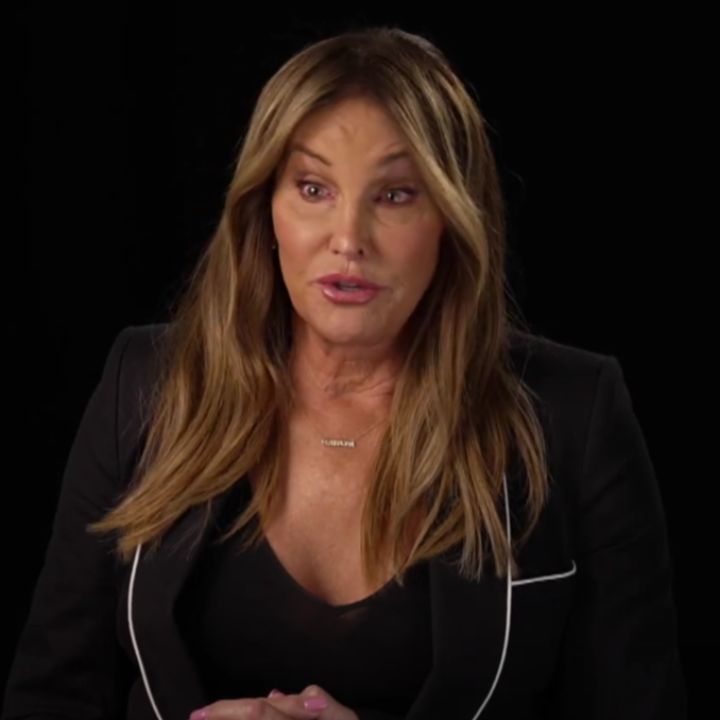
Reality Stars - Caitlyn Jenner - Sky News
Image Source: YouTube/Sky News

Ever wondered how much money reality stars really make, especially compared to Hollywood’s elite? You’ll be surprised to learn that these eight reality stars out-earned some of Hollywood’s top actors in the past year. From game‑show jackpots to influencer brand empires, these personalities are rewriting the rules of fame and fortune. Keep reading to see how they did it—and what lessons you can take away.

A‑List Actors vs. Reality Stars

To give this context: Forbes reported Dwayne “The Rock” Johnson earned $88 million in 2024, with Ryan Reynolds at $85 million and Kevin Hart at $81 million. Many reality stars may not hit these peaks, but some do rival or surpass mid‑tier actors, especially those combining platform earnings, brand partnerships, and prize money.

1. Molly‑Mae Hague


View this post on Instagram


A post shared by Molly-Mae (@mollymae)

Molly‑Mae turned her Love Island fame into a business empire, launching Filter (a fake‑tan brand) and a fashion line, Maebe. Her net worth has soared to around £6 million after a lucrative stint as Creative Director at PrettyLittleThing. That kind of income edge—boosted by brand deals and her upcoming docu-series—puts her ahead of many TV and film actors in annual earnings.

2. Alex Cooper


View this post on Instagram


A post shared by Alex Cooper (@alexandracooper)

You’ve heard of Call Her Daddy, right? Host Alex Cooper inked a $125 million deal with SiriusXM for her podcast deal, which vaulted her to the #7 spot on Forbes’ Top‑Earning Creators list, earning an estimated $32 million in 2024. That’s more than many TV actors make in base salaries and pay‑per‑episode deals combined.

3. Bhad Bhabie (Danielle Bregoli)


View this post on Instagram


A post shared by Bhabie (@bhadbhabie)

From Dr. Phil to mogul status, Bhad Bhabie made an astonishing $85 million on OnlyFans in 2024, topping even Iggy Azalea on the platform. While traditional actors count per–project fees, she turned subscription models into big bucks, landing her right up there with top‑earning stars.

4. David Genat


View this post on Instagram


A post shared by David Genat (@davidgenat)

This Australian reality hero won Deal or No Deal Island, pocketing a massive $5.8 million prize. While a one‑time payout, it eclipsed many A‑list acting fees (some actors make less than that per film!).

5. Annie Kilner


View this post on Instagram


A post shared by AnnieVKilner (@annievkilner)

Footballer Kyle Walker’s wife is reportedly in line for a £750,000 payday on Celebrity Big Brother. While lower than some celebs on this list, it’s still significant compared to many TV actors’ short‑series fees.

6. Caitlyn Jenner


View this post on Instagram


A post shared by Caitlyn Jenner (@caitlynjenner)

Already iconic in reality TV, Caitlyn reportedly earned £500,000 for her appearance on I’m a Celebrity in 2019. Adjusted for today’s publicity demand, reality stars like her can command salaries rivaling mid‑level TV talent.

7. Spencer Pratt


View this post on Instagram


A post shared by Spencer Pratt (@spencerpratt)

Yes, the Hills OG still cashes in—he raked in about $20,000 a week from TikTok Live donations after a personal setback. That adds up fast, year over year, matching or exceeding many supporting actors’ earnings.

8. Pete Wicks & Maura Higgins


View this post on Instagram


A post shared by Pete Wicks (@p_wicks01)

The reality power couple from Britain have built careers across shows (Strictly, Celebrity SAS, etc.), podcasts, brand ambassadorships, and more. While exact numbers are private, industry analysts suggest their combined earnings now hit high six figures—or even low seven.

When it’s all said and done, reality stars (and influencers) have the ability to make just as much as A-listers these days. There are just so many ways to bring in cash, and they are the ones capitalizing on it today.

Read More

‘1000-Lb. Sisters’ & More: What is the Obsession Behind Reality Shows Following the Morbidly Obese?

What Are The Fakest Reality Shows On TV Today?

Jersey Shore Net Worths: Who’s Still Rich and Who’s Just Famous?

“Jersey Shore” may have made them household names, but fame doesn’t always equal financial success. With spin‑offs, endorsements, businesses, and legal challenges, the cast’s fortunes are just as dramatic as their personalities. Tracking Jersey Shore net worths reveals who leveraged their spotlight and who stumbled after the spotlight faded. For fans, understanding who really profited from the franchise makes the reunion drama that much deeper. Let’s dive into the latest figures and see who’s still thriving and who’s financially struggling.

Looking Closer at the Jersey Shore Net Worths

Jersey Shore net worths - CJ Pauly D - Jersey Shore
Image Source: YouTube/Jersey Shore

1. Pauly D – DJ Pauly D (~$20 Million)

As the original breakout star with his signature hair, Pauly D parlayed “Jersey Shore” fame into a successful DJ career. He signed deals with G‑Note/G‑Unit Records and headlined nightclub residencies across the country. Add in his MTV spin‑off, The Pauly D Project, and ongoing reality appearances, and his earnings have remained strong. Celebrity financial trackers suggest his net worth has grown into the tens of millions, making him arguably the richest Shore star. His continued relevance in music and entertainment proves he’s more than just famous—he’s financially smart.

2. Vinny Guadagnino – ~$5 Million


View this post on Instagram


A post shared by Vinny (@vinnyguadagnino)

Vinny turned his on‑screen charisma into a wellness and lifestyle career. From hosting Chippendales in Vegas to releasing diet books and launching clothing lines, he’s built a diversified portfolio. His estimated net worth of around $5 million reflects steady income beyond typical reality paychecks. Vinny also continues to appear in Shore spin‑offs and podcasts, keeping him in the spotlight. With a reputation as one of the more grounded cast members, his finances match his public image.

3. Snooki (Nicole Polizzi) – ~$4 Million


View this post on Instagram


A post shared by Nicole “Snooki” 💋 (@snooki)

Snooki was one of the show’s biggest personalities—and she’s maintained her status off-screen too. From launching the Snooki Shop boutiques to authoring books, fragrances, tanning lotions, and a wine brand, her empire is built around her brand identity. With an estimated $4 million net worth, she may not rival Pauly D, but she’s smartly diversified her revenue streams. As a mom and serial entrepreneur, Snooki continues to convert fame into staying power.

4. JWoww, Sammi, and Angelina – ~$4 Million Each


View this post on Instagram


A post shared by Jenni JWOWW (@jwoww)

Several other Shore OGs—Jenni “JWoww” Farley, Sammi “Sweetheart” Giancola, and Angelina Pivarnick—are all estimated to be worth around $4 million. JWoww capitalized on spin-offs, brand partnerships, and influencer income, while Sammi and Angelina have parlayed their exposure into online businesses, reality appearances, and endorsements. Their consistent ranking around this figure shows they’ve maintained clout and leveraged their fame, even if they stayed out of the spotlight at times.

5. Deena Cortese – ~$2 Million


View this post on Instagram


A post shared by Deena Nicole Buckner (@deenanicole)

Joining later on Family Vacation, Deena still found ways to monetize her presence. Through public appearances, brand deals, and a lifestyle blog selling baby and home items, she’s built a modest media career. Her estimated $2 million net worth reflects solid, consistent income but not explosive financial growth. That’s still a win in the world of reality TV, where few cast members manage to stay above anonymity.

6. Mike “The Situation” Sorrentino – ~$300,000

The most infamous flip in Jersey Shore net worths belongs to Mike “The Situation.” He once pocketed as much as $10 million at the franchise’s peak, making $150,000 per episode. But after tax evasion charges, prison time, and risky investments, his net worth plummeted to around $300,000. Despite sobriety and redemption arcs in Family Vacation, his financial recovery remains ongoing.

What These Stories Teach Us

Tracking Jersey Shore net worths isn’t just tabloid fodder—it’s a study in opportunity, inconsistency, and reinvention. Pauly D and Snooki turned fame into long-term wealth; Vinny and JWoww built sustainable personal brands; Deena made it do; Mike showed how quickly fortunes can disappear. The financial arc of each cast member reveals more about business acumen and choices than on-screen drama ever could.

Jersey Shore net worths reflect a rollercoaster of post-reality life. In a world where fame is fleeting, only a few turned their fifteen minutes into money that lasts. If anything, the show taught them—and us—that smart branding, diversification, and financial discipline separate the wealthy from the merely well-known. As they ride into future seasons, their bank accounts tell a story as nuanced as any Shore spiral.

Were you surprised by any of these Jersey Shore net worths? Drop a comment with who you think turned fame into fortune, or who missed their shot!

Read More

From Gospel to Gold Chains: Kirk Franklin’s Net Worth Will Shock You

How Much Is Ice Spice Really Worth After Just Two Years in the Game?

‘1000-Lb. Sisters’ & More: What is the Obsession Behind Reality Shows Following the Morbidly Obese?

Reality television has long captivated audiences by providing glimpses into lives vastly different from our own. Among the myriad of reality TV genres, shows focusing on morbidly obese individuals, such as 1000-Lb. Sisters and My 600-Lb. Life, has garnered significant attention. These programs delve into the daily struggles, health challenges, and personal relationships of individuals battling extreme obesity. But what drives the public’s fascination with these narratives? Let’s explore the factors contributing to the popularity of morbid obesity reality shows.

9 Reasons People Love Morbid Obesity Reality Shows

Morbid Obesity Reality Shows - Tammy Slaton 1000-Lb Sisters - TLC
Image Source: YouTube/TLC

1. Voyeuristic Curiosity

Human nature often draws us to the unusual or extreme, and morbid obesity reality shows tap into this curiosity. Viewers are given an unfiltered look into the lives of individuals facing challenges that are both physically and emotionally taxing. This voyeuristic appeal allows audiences to witness personal moments, from daily routines to medical procedures, that are typically private. Such exposure can evoke a range of emotions, from empathy to shock. The intimate portrayal of these lives satisfies a desire to understand experiences vastly different from one’s own.

2. Emotional Storytelling

These shows often employ compelling narratives that highlight personal growth, setbacks, and triumphs. By focusing on individual stories, viewers become emotionally invested in the participants’ journeys. The portrayal of real-life struggles and successes fosters a connection between the audience and the individuals on screen. This emotional engagement keeps viewers returning, eager to see progress and outcomes. The storytelling approach humanizes the participants, making their experiences relatable despite the extremity of their situations.

3. Inspiration and Motivation

Witnessing the determination and resilience of individuals striving to overcome morbid obesity can be inspiring. These narratives often showcase significant weight loss achievements and lifestyle changes. Viewers may find motivation in these transformations, applying lessons learned to their own lives. The depiction of hard work leading to tangible results reinforces the idea that change is possible. Such inspirational content can have a positive impact on audiences seeking self-improvement. 

4. Educational Insight

Morbid obesity reality shows provide educational content about the complexities of obesity, including its medical, psychological, and social aspects. Viewers gain awareness of the challenges faced by those with extreme obesity, such as mobility issues, health risks, and societal stigma. The programs often feature medical professionals who explain procedures and health conditions, enhancing the informative value. This educational component can foster empathy and understanding among viewers. By shedding light on these issues, the shows contribute to public discourse on health and wellness.

5. Controversy and Criticism

Despite their popularity, morbid obesity reality shows are not without controversy. Critics argue that these programs can exploit participants for entertainment, perpetuating stereotypes and reinforcing negative perceptions of obesity. The term “fattertainment” has been used to describe content that sensationalizes weight issues for viewer amusement. Such portrayals may contribute to societal stigma rather than promoting understanding. The ethical implications of broadcasting personal health struggles raise questions about the responsibility of content creators. 

6. Social Media Amplification

The rise of social media has amplified the reach and impact of morbid obesity reality shows. Participants often gain substantial followings, sharing updates and engaging with fans online. This digital presence extends the narrative beyond television, allowing for real-time interaction and support. Social media platforms also facilitate discussions, fan theories, and community building around the shows. The online engagement contributes to sustained interest and viewership.

7. Reflection of Societal Issues

These reality shows mirror broader societal issues related to health, body image, and the healthcare system. They highlight the challenges individuals face in accessing medical care, the impact of socioeconomic factors on health, and the prevalence of weight-related discrimination. By bringing these topics to the forefront, the programs encourage conversations about public health and social support systems. The depiction of these issues can prompt viewers to consider the systemic factors contributing to obesity. This reflection can lead to increased awareness and advocacy for change.

8. Personal Identification

Some viewers may see aspects of themselves in the participants, fostering a sense of identification and empathy. This connection can be particularly strong for individuals who have faced similar struggles with weight, health, or self-esteem. The shared experiences depicted on screen validate personal challenges and emotions. This identification can be comforting and affirming, reinforcing the viewer’s engagement with the show. The relatability of the content strengthens the emotional bond between the audience and the participants.

9. The Appeal of Transformation

The transformation arc is a compelling element of morbid obesity reality shows. Audiences are drawn to stories of change, witnessing the journey from adversity to improvement. These narratives provide a sense of hope and the possibility of redemption. The visual and emotional aspects of transformation captivate viewers, offering a satisfying resolution. This appeal underscores the enduring popularity of such programs.

The Complex Fascination with Morbid Obesity Reality Shows

The popularity of morbid obesity reality shows stems from a combination of curiosity, emotional engagement, educational content, and the allure of transformation. While these programs can inspire and inform, they also raise ethical questions about representation and exploitation. As viewers, it’s essential to approach such content with critical awareness, recognizing the real-life implications for the individuals involved. Understanding the multifaceted appeal of these shows can lead to more thoughtful consumption and discussions about health, media, and society.

What are your thoughts on the portrayal of morbid obesity in reality TV? Share your perspectives in the comments below!

Read More

5 Reality Shows That Are Mostly Real

What Are The Fakest Reality Shows On TV Today?

Olivia Attwood’s Net Worth: Fashion Failures and Fortunes

Olivia Attwood's net worth - This Morning
Image Source: YouTube/This Morning

Olivia Attwood, known for her vibrant personality and candidness, has carved a niche for herself in the entertainment industry. From her memorable stint on “Love Island” to her ventures in fashion and television, Attwood’s journey has been a blend of triumphs and challenges. Here is a look at Olivia Attwood’s net worth, plus the many struggles she’s had to get here. 

Reality TV Launchpad

Attwood’s rise to fame began with her appearance on the third series of “Love Island” in 2017, where she finished third alongside Chris Hughes. This exposure opened doors to numerous television opportunities, including “The Only Way Is Essex,” “Celebs Go Dating,” and her own reality series, “Olivia Meets Her Match.” These appearances not only bolstered her public profile but also provided substantial earnings, laying the foundation for her subsequent ventures. 

In 2021, Attwood launched her fashion brand, We Are Foolish, aiming to offer timeless wardrobe essentials. Despite a high-profile launch, the brand faced logistical challenges and financial setbacks, accumulating debts of £139,919 and owing £275,528 to creditors. Attwood resigned as a director in 2024, and the brand’s future remains uncertain. This venture underscores the risks associated with celebrity-led businesses. 


View this post on Instagram


A post shared by OLIVIA ATTWOOD DACK (@olivia_attwood)

Beyond reality TV, Attwood has made significant strides in broadcasting. She has hosted documentaries like “Getting Filthy Rich,” exploring the adult content industry, and “The Price of Perfection,” delving into beauty standards. Her role as a panellist on ITV’s “Loose Women” further cements her position in mainstream media. These endeavors have diversified her income streams and expanded her audience reach. 

With a robust following of 2.4 million on Instagram, Attwood leverages her platform for brand endorsements and sponsored content. Reports suggest she earns approximately £4,500 per sponsored post. Her digital presence not only provides a steady income but also enhances her marketability for various collaborations. 

Attwood commands significant fees for public appearances, reportedly charging up to £10,000 per event. Her collaborations with brands like I Saw It First have been lucrative, with one deal reportedly bringing in £500,000. These ventures contribute substantially to her overall net worth. 

Olivia Attwood’s Net Worth

In 2025, Olivia Attwood’s net worth is estimated to be £5.8 million. Her work on reality TV has had a profound impact on her wealth, but her financial troubles have undoubtedly held her back as well.


View this post on Instagram


A post shared by OLIVIA ATTWOOD DACK (@olivia_attwood)

Olivia Attwood’s financial journey illustrates the complexities of celebrity entrepreneurship. While her ventures have seen both successes and setbacks, her adaptability and diverse income streams have maintained her financial stability. Her experiences offer insights into the challenges and opportunities within the entertainment and business sectors.

What are your thoughts on Olivia Attwood’s financial journey? Share your opinions in the comments below! 

Read More

Viral International Best-Selling Author Quan Millz’s Net Worth

What Are The Fakest Reality Shows On TV Today?

All content on Plunged in Debt is for entertainment purposes only. By reading this blog, you agree that Plunged in Debt is not responsible for any actions taken after reading this blog. For the full disclaimer.

Financial Disclaimer

Please note that Plunged in Debt has financial relationships with some of the merchants mentioned here. Plunged in Debt is funded by banner advertising, commission sales and search optimization consulting. Plunged in Debt is operated by Novara Unlimited LLC.