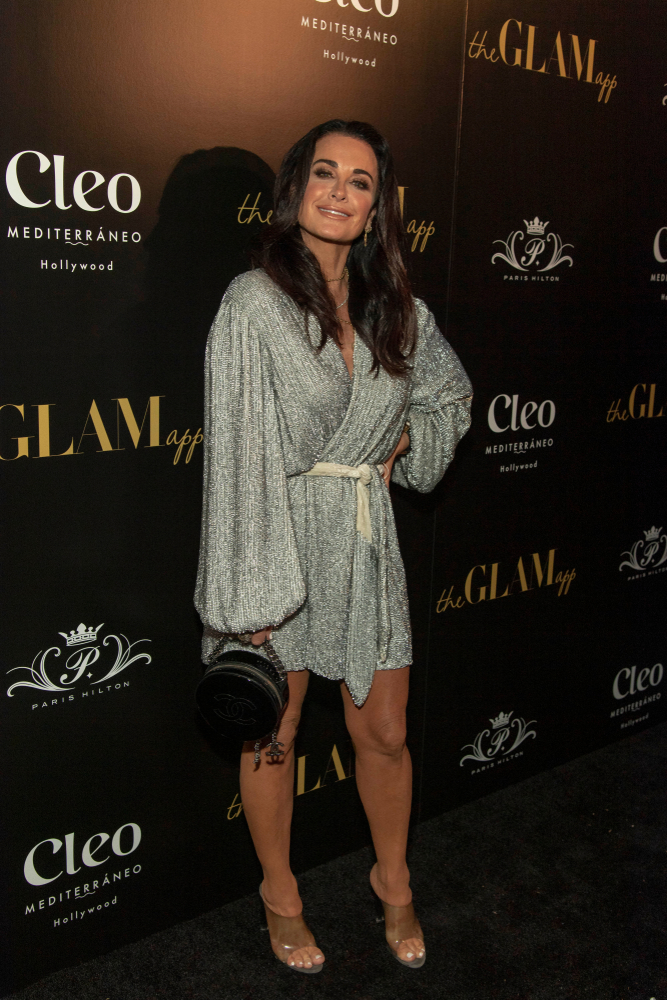
When most people think about Kyle Richards, they immediately picture designer fashion, dramatic reunions, and life on The Real Housewives of Beverly Hills. What many viewers miss, however, is how deeply connected her financial success became to luxury real estate through The Agency. Public estimates now place Richards and estranged husband Mauricio Umansky in the $100 million range, with real estate playing a major role in that wealth. While television fame helped build her personal brand, it was The Agency’s explosive growth that transformed their household into a serious business empire. Here’s what helped her stack up so much cash.
Reality TV Gave Kyle Richards the Perfect Business Platform
Kyle Richards already had name recognition long before reality television made her a household name. She worked steadily as a child actress and later reinvented herself through Bravo, becoming one of the most recognizable personalities on RHOBH. That exposure gave her something incredibly valuable in business: trust and familiarity with millions of viewers. Instead of treating reality TV as temporary fame, Richards leveraged it into a marketing machine for her family’s growing real estate ambitions. Viewers who watched her luxury lifestyle week after week also became familiar with Mauricio Umansky and eventually The Agency itself.
The Agency Expanded Far Beyond Beverly Hills
When Mauricio Umansky launched The Agency in 2011, the company focused heavily on luxury properties in elite California neighborhoods. Over time, however, the brokerage expanded into multiple states and international markets, turning itself into a recognizable luxury brand rather than just a local firm. Recent reports show The Agency operating roughly 150 offices across 14 countries, demonstrating how massive the company has become since its early days. That type of expansion dramatically increases brand value, franchise revenue opportunities, and celebrity influence within the real estate world. Kyle Richards helped fuel that visibility simply by constantly integrating the company into television storylines, interviews, and public appearances. Many fans first learned about The Agency through RHOBH before ever seeing one of its listings.
Kyle Richards Helped Build the Brand Behind the Business
A major misconception about celebrity couples is that only the person running the company contributes to its success. In reality, Richards became an unofficial marketing arm for The Agency by giving it constant exposure through reality television and social media. Discussions across fan communities frequently point out that her Hollywood connections, visibility, and audience helped elevate the brokerage’s public profile significantly. Even critics who question the company’s valuation often acknowledge that her fame accelerated awareness of the brand. That matters because luxury real estate depends heavily on networking, prestige, and visibility among wealthy buyers. Richards may not have been handling transactions herself, but her celebrity platform helped create the aspirational image The Agency needed to stand out in a crowded luxury market.
Real Estate Became More Valuable Than Reality TV Checks
Although Bravo salaries can be impressive, long-term wealth usually comes from ownership rather than paychecks alone. Public reporting suggests Mauricio Umansky personally sold billions in luxury real estate throughout his career while building The Agency into a globally recognized brokerage. That type of business creates ongoing value through commissions, franchise deals, partnerships, and brand licensing opportunities. Kyle Richards benefited not only from television income but also from years of shared financial growth tied to the company’s success. Financial experts often note that celebrity wealth becomes more sustainable when stars move beyond entertainment and into equity ownership or scalable businesses. Richards appears to have followed that exact blueprint by tying her family’s fame directly to a growing real estate empire.
The Separation Put Massive Attention on The Agency’s Value
Since Kyle Richards and Mauricio Umansky publicly separated in 2023, financial discussions surrounding their marriage have intensified dramatically. Reports continue to highlight how complicated dividing shared assets could become because of their connection to The Agency and various real estate holdings. Online discussions regularly debate how much of the company Richards may legally own or influence, especially since many fans believe she played a meaningful role in helping establish the brand. While headlines sometimes exaggerate The Agency’s total value, the broader point remains important: real estate businesses can become enormous wealth generators over time. For everyday readers, the lesson is clear that building equity in a business often creates far greater financial security than relying solely on salary income.
Kyle Richards Turned Fame Into Long-Term Wealth
Kyle Richards’ financial story is about far more than reality television fame or Hollywood connections. She helped transform public visibility into business leverage by tying her celebrity identity to a rapidly expanding luxury real estate company. That strategy allowed The Agency to gain national recognition while simultaneously helping Richards build long-term wealth beyond entertainment income alone. Whether fans admire her business instincts or simply enjoy following RHOBH drama, it is difficult to ignore how effectively she converted television exposure into financial opportunity. In a world where many celebrities burn through money quickly, Richards demonstrated how branding, partnerships, and ownership can create lasting wealth that extends far beyond the cameras.
Do you think reality TV helped build The Agency into a powerhouse brand, or would Mauricio Umansky have achieved the same success without Kyle Richards’ visibility? Share your thoughts in the comments below.
What to Read Next
Couple Fortune Exposed: How Two Influencers Quietly Built a £300 M Empire While You Watched
5 Underrated Athletes Who’ve Quietly Built $50M+ Fortunes

Amanda Blankenship is the Chief Editor for District Media. She frequently writes for a handful of blogs and loves to share her own personal finance story with others. When she isn’t typing away at her desk, she enjoys spending time with her daughter, son, husband, and dog. During her free time, you’re likely to find her with her nose in a book, hiking, or playing RPG video games.