These Reality TV Couples Built Massive Empires (And Then Split the Fortune)

reality tv couple empires - Kyle Richards - Bravo
Image Source: YouTube/Bravo

Understanding how reality TV couples build empires—and lose them—can reveal powerful lessons about relationships, legacy, and finances. From explosive HGTV ventures to luxury real estate portfolios, we’ve seen stars turn screen time into business brands. But when relationships end, so do partnerships—sometimes cleanly, often chaotically. These stories show how you can build together… and walk away prepared. 

1. Tarek El Moussa & Christina Hall – From $700 Flats to Flip-Profits

Tarek El Moussa and Christina Hall (formerly Anstead) rose from foreclosure survivors to HGTV power couple stars with Flip or Flop. They built a flipping empire, millions in real estate deals, property education, and follow-up shows. Even after their 2016 divorce, both leveraged their HGTV credentials into solo opportunities—Tarek with Flipping 101, and Christina on her own interior design ventures. Their empire split financially, but preserved both brands in the public eye. Their story shows that with smart planning, joint ventures can survive separation, and each partner still emerges strong.

2. Mauricio Umansky & Kyle Richards – When Real Estate Mogul Meets Reality Star


View this post on Instagram


A post shared by Kyle Richards (@kylerichards18)

Kyle Richards and Mauricio Umansky were long-established before their relationship: Mauricio co-founded the powerhouse real-estate firm The Agency, valued in the billions, and Kyle was an original RHOBH star. Together, they formed a business and media powerhouse. Despite an ongoing estrangement, Kyle is reportedly positioned to receive a substantial stake—possibly billions—should they divorce. Their story highlights how even unequal reputational and financial contributions can lead to huge settlements. They remind us that sharing success means planning for shared outcomes.

3. Jon & Kate Gosselin – From TLC Fame to Child-Custody Complexities


View this post on Instagram


A post shared by Kate Gosselin (@kateplusmy8)

Jon and Kate Gosselin skyrocketed to fame with Jon & Kate Plus 8, built a bestselling cookbook and nationwide brand, but ended with a headline-making divorce. Their joint fame turned in months as they navigated child custody, reality show demands, and shaken sponsor relationships. The empire they built crashed while going through splits in both show rights and household leadership. Kate retained custody and star power, Jon declined in influence, showing how family-empire cracks can unbalance who truly controls the legacy. Their saga is a masterclass in how quickly building empires can unravel without solid agreements.

How They Handled the Split—and What You Can Learn

Each couple navigated separation differently, but a few themes emerge:

  • Pre-divorce business planning matters: Contracts, co-ownership agreements, non-compete clauses, and brand licensing can save both parties and preserve brands.
  • Standalone brand value works in your favor: Post-split, both Tarek and Christina continued hosting shows and closing deals, each carrying strong individual brands built early on.
  • Asset disclosure and transparency matter: Kyle and Mauricio’s case reminds us that full asset analysis—especially when enterprises roll over into personal wealth—is critical. Courts value transparency.
  • Creative control stays relevant: Jon and Kate’s decline underscores the value of keeping business separate from personal identity, even on family reality platforms.

A Takeaway: Partnership Empires Require a Plan for the Endgame

Building a business together? Make sure you plan for separation. You might not be famous, but joint ventures, shared ownership, common property, and family dynamics can all turn assets into flashpoints. Learn from real stories—have the paperwork ready before you’re at the contract table. That way, if things fall apart, your empire—or your piece of it—doesn’t.

Have you seen other reality-TV couples build—and lose—their fortunes? What advice would you give someone building a business with a loved one? Share your thoughts below!

Read More

What’s the Net Worth of the Most Hated Reality Star on TV?

These 8 Reality Stars Made More Than A-List Actors Last Year

These 8 Reality Stars Made More Than A-List Actors Last Year

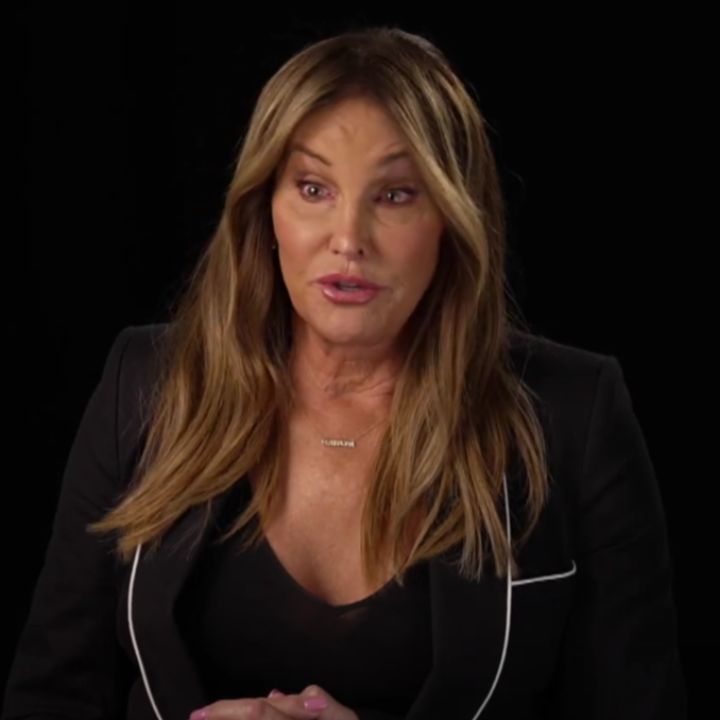
Reality Stars - Caitlyn Jenner - Sky News
Image Source: YouTube/Sky News

Ever wondered how much money reality stars really make, especially compared to Hollywood’s elite? You’ll be surprised to learn that these eight reality stars out-earned some of Hollywood’s top actors in the past year. From game‑show jackpots to influencer brand empires, these personalities are rewriting the rules of fame and fortune. Keep reading to see how they did it—and what lessons you can take away.

A‑List Actors vs. Reality Stars

To give this context: Forbes reported Dwayne “The Rock” Johnson earned $88 million in 2024, with Ryan Reynolds at $85 million and Kevin Hart at $81 million. Many reality stars may not hit these peaks, but some do rival or surpass mid‑tier actors, especially those combining platform earnings, brand partnerships, and prize money.

1. Molly‑Mae Hague


View this post on Instagram


A post shared by Molly-Mae (@mollymae)

Molly‑Mae turned her Love Island fame into a business empire, launching Filter (a fake‑tan brand) and a fashion line, Maebe. Her net worth has soared to around £6 million after a lucrative stint as Creative Director at PrettyLittleThing. That kind of income edge—boosted by brand deals and her upcoming docu-series—puts her ahead of many TV and film actors in annual earnings.

2. Alex Cooper


View this post on Instagram


A post shared by Alex Cooper (@alexandracooper)

You’ve heard of Call Her Daddy, right? Host Alex Cooper inked a $125 million deal with SiriusXM for her podcast deal, which vaulted her to the #7 spot on Forbes’ Top‑Earning Creators list, earning an estimated $32 million in 2024. That’s more than many TV actors make in base salaries and pay‑per‑episode deals combined.

3. Bhad Bhabie (Danielle Bregoli)


View this post on Instagram


A post shared by Bhabie (@bhadbhabie)

From Dr. Phil to mogul status, Bhad Bhabie made an astonishing $85 million on OnlyFans in 2024, topping even Iggy Azalea on the platform. While traditional actors count per–project fees, she turned subscription models into big bucks, landing her right up there with top‑earning stars.

4. David Genat


View this post on Instagram


A post shared by David Genat (@davidgenat)

This Australian reality hero won Deal or No Deal Island, pocketing a massive $5.8 million prize. While a one‑time payout, it eclipsed many A‑list acting fees (some actors make less than that per film!).

5. Annie Kilner


View this post on Instagram


A post shared by AnnieVKilner (@annievkilner)

Footballer Kyle Walker’s wife is reportedly in line for a £750,000 payday on Celebrity Big Brother. While lower than some celebs on this list, it’s still significant compared to many TV actors’ short‑series fees.

6. Caitlyn Jenner


View this post on Instagram


A post shared by Caitlyn Jenner (@caitlynjenner)

Already iconic in reality TV, Caitlyn reportedly earned £500,000 for her appearance on I’m a Celebrity in 2019. Adjusted for today’s publicity demand, reality stars like her can command salaries rivaling mid‑level TV talent.

7. Spencer Pratt


View this post on Instagram


A post shared by Spencer Pratt (@spencerpratt)

Yes, the Hills OG still cashes in—he raked in about $20,000 a week from TikTok Live donations after a personal setback. That adds up fast, year over year, matching or exceeding many supporting actors’ earnings.

8. Pete Wicks & Maura Higgins


View this post on Instagram


A post shared by Pete Wicks (@p_wicks01)

The reality power couple from Britain have built careers across shows (Strictly, Celebrity SAS, etc.), podcasts, brand ambassadorships, and more. While exact numbers are private, industry analysts suggest their combined earnings now hit high six figures—or even low seven.

When it’s all said and done, reality stars (and influencers) have the ability to make just as much as A-listers these days. There are just so many ways to bring in cash, and they are the ones capitalizing on it today.

Read More

‘1000-Lb. Sisters’ & More: What is the Obsession Behind Reality Shows Following the Morbidly Obese?

What Are The Fakest Reality Shows On TV Today?

5 Artists Who Make More from Licensing Deals Than Concerts

In today’s music industry, it’s easy to assume concert tickets are the big money-maker, but that’s not always true. For some artists, licensing deals—where their songs are used in films, ads, or video games—beat tour earnings. Licensing deals offer large, upfront payments and steady royalties without the costs of riding a tour bus. For fans and up-and-coming musicians, understanding who profits most from licensing deals helps reveal how the business really works. Here are five artists turning sync licensing into their main revenue stream.

1. Kate Bush — Netflix Revival Changed Everything

licensing deals - Kate Bush
By Guido Harari; Distributed by <a class="extiw" title="w:EMI America" href="https://en.wikipedia.org/wiki/EMI_America">EMI America</a> – <a class="external text" href="https://www.worthpoint.com/worthopedia/1986-press-photo-kate-bushs-latest-1835701232" rel="nofollow">Worthpoint</a>, <a class="external text" href="https://www.worthpoint.com/worthopedia/kate-bush-hounds-love-signed-photo-3889877874" rel="nofollow">Worthpoint 2</a>, <a class="external text" href="https://www.ebay.com/itm/235339856060" rel="nofollow">ebay</a>, <a class="external text" href="https://i.ebayimg.com/images/g/rbMAAOSwYrZld15E/s-l1600.jpg" rel="nofollow">Close-up</a>, Public Domain, <a href="https://commons.wikimedia.org/w/index.php?curid=143669972">Link</a>

When Netflix’s Stranger Things synced her song “Running Up That Hill,” Kate Bush saw a massive resurgence and chart success. That single sync moment brought huge licensing fees and renewed streaming activity, likely exceeding anything from concerts. Bush doesn’t tour, so sync becomes a major income source. It’s a prime example of how high-profile sync placements can eclipse live revenues. Licensing deals keep her legacy—and bank account—alive.

2. Vo Williams — Sync Licensing Powerhouse


View this post on Instagram


A post shared by Vo Williams (@thisisvo)

Vo Williams, a hip‑hop artist, has landed over 3,000 sync placements, including NBA and MLB team themes. Those placements in sports broadcasts and promos likely bring more income than small club shows ever could. Each sync deal typically pays tens of thousands upfront plus backend performance royalties. His model proves that collective licensing deal volume can outpace live performance revenue. Vo has made licensing deals his music career’s financial anchor.

3. David Bowie Estate — Catalog Deal Bonanza


View this post on Instagram


A post shared by David Bowie (@davidbowie)

While David Bowie didn’t exactly tour posthumously, his estate’s 2024 licensing deal was huge—it sold Queen’s catalog for $1.27 billion. This kind of catalog licensing deal dwarfs even massive arena tours in value. Licensing these works for movies, shows, and commercials now becomes a passive revenue goldmine. That’s how licensing deals can globally out-earn tours. It’s wealth built to last.

4. Bob Dylan — Sync Isn’t Just Songwriting Now

Bob Dylan licensing deals
By <a class="external text" href="https://www.flickr.com/people/69880995@N04" rel="nofollow">Raph_PH</a> – <a class="external text" href="https://www.flickr.com/photos/raph_ph/52246124397/" rel="nofollow">DylanYoungKilkenny140719v2 (50 of 52)</a>, <a title="Creative Commons Attribution 2.0" href="https://creativecommons.org/licenses/by/2.0">CC BY 2.0</a>, <a href="https://commons.wikimedia.org/w/index.php?curid=153840966">Link</a>

Bob Dylan’s catalog—including his songwriting and master recordings—has drawn licensing deals worth hundreds of millions. Dylan rarely toured late in his career, but sync placements in commercials and films continue to pay handsomely. Licensing deals tied to his name have surpassed any recent concert revenue. His example shows how enduring hits can monetize through sync long after tours end. Licensing deals keep legacy artists audible and profitable.

5. Drake — Master Deal Over Tours?


View this post on Instagram


A post shared by champagnepapi (@champagnepapi)

Drake’s record-breaking single-year earnings deals help illustrate the shift in artist revenue structure. He’s signed multi-rights catalog deals worth hundreds of millions, swapping master ownership for big upfront checks. Licensing deals—on ads, streaming, spin-offs—fuel this financial strategy. While tours earn him large paydays, catalog licensing deals provide reliable, ongoing income with none of the touring hassle. Licensing deals offer financial leverage beyond stage lights.

Why Licensing Deals Outshine Touring

Licensing deals often provide large upfront fees—sometimes tens or hundreds of thousands per placement. They also generate recurring performance royalties through platforms like SoundExchange and PROs. Unlike touring, licensing deals don’t carry travel, production, or staffing costs. Plus, catalog licensing from big estates or superstars can out-value any tour’s earnings. Ultimately, licensing deals offer artists and estates a powerful and efficient income stream.

Touring vs Licensing: A New Music Economy

For emerging artists, touring can launch visibility and merch sales, but licensing deals bring high-value stability. With streaming royalties low, sync placements are becoming the new gold standard for income. Even mid-tier artists find licensing deals sustain them year-round, beyond tour cycles. As the industry evolves, smart catalog management and sync-friendly songwriting are becoming career essentials. In today’s landscape, licensing deals may be every artist’s real headline act.

Which artist surprised you most by earning more from licensing deals than tours? Have you discovered a powerhouse sync placement that changed everything? Share your thoughts below!

Read More

The 5 Most Underrated TV Dads of All Time

These Indie Artists Are Quietly Worth Millions—and You’ve Never Heard Their Names

The 5 Most Underrated TV Dads of All Time

We all remember the lovable goofballs and scene-stealing patriarchs on TV, but what about the dads who quietly held it down behind the scenes? In this article, we’re shining a spotlight on underrated TV dads who deserve way more praise. These men brought depth, heart, and relatability to their roles—and perhaps even taught us a thing or two about parenting. Get ready to revisit some familiar faces you may’ve overlooked.

1. Alan Matthews (Boy Meets World)

underrated tv dads - Alan Matthews - The MMM Journal
Image Source: YouTube/The MMM Journal

Alan Matthews is the epitome of an everyday dad—loving, patient, and human. He’s not perfect, but his realistic reactions and real‑life wisdom make him stand out. Fans on Reddit praise his authenticity. “Alan Matthews is underrated imo… realistic and human,” they wrote. 

Despite not being flashy, his gentle guidance shaped Cory’s life in subtle, meaningful ways. If you want a grounded portrayal of fatherhood, Alan’s your guy.

2. Burt Hummel (Glee)

underrated tv dads - Burt Hummel - Dan Patrick Show
Image Source: YouTube/Dan Patrick Show

Burt Hummel is a powerful example of love, acceptance, and compassion. As Kurt’s father, he showed us all how to parent with empathy and strength. A redditor put it best: “Burt Hummel in Glee.” He wasn’t the flashiest dad on primetime, but his unwavering support made a real difference—and left a mark on everyone watching.

3. Philip “Uncle Phil” Banks (The Fresh Prince of Bel‑Air)

underrated tv dads - Phillip Banks - Will Smith
Image Source: YouTube/Will Smith

Though often called “Uncle Phil,” Philip Banks was the heart of the Banks household—a firm yet loving father figure. He blended discipline with kindness and displayed integrity in every scene. Critics recognize him as a top-tier TV dad, yet his impact often gets overshadowed by flashier counterparts. He deserved far more of the spotlight for how he guided Will and his own family.

4. Johnny Rose (Schitt’s Creek)

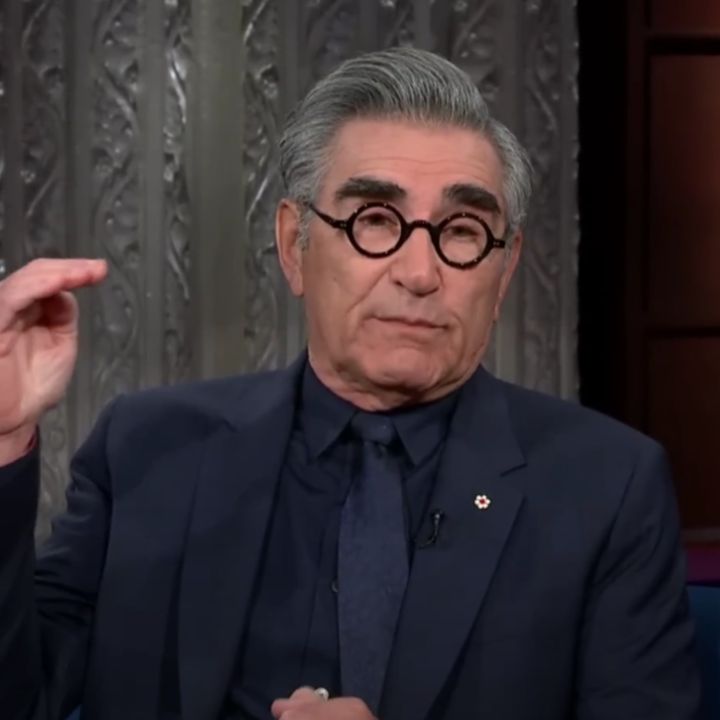
underrated tv dads - Jonny Rose - The Late Show With Stephen Colbert
Image Source: YouTube/The Late Show With Stephen Colbert

Johnny Rose might seem like just a quirky motel owner, but his role was filled with wisdom and steady leadership. Throughout Schitt’s Creek, he calmly navigated a fall from wealth while keeping his family together. Critics lauded Eugene Levy’s portrayal with awards and nominations. Johnny isn’t the traditional sitcom dad, but he’s among the most underrated in modern TV.

5. Danny Tanner (Full House)

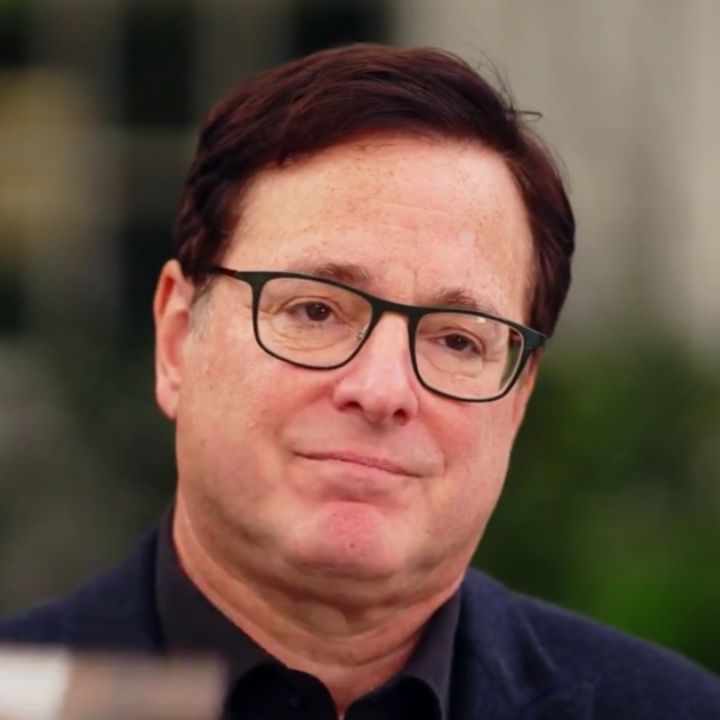
underrated tv dads - Danny Tanner - CBS Mornings
Image Source: YouTube/CBS Mornings

Okay, maybe Danny Tanner isn’t strictly “underrated”—but he often gets lumped with lighter sitcom dads when, in reality, he brought deep emotional resonance. He was a widowed single dad, juggling three daughters and tackling real issues with grace. As a Time columnist noted, Danny challenged norms by showing that care equals strength. Beneath the neat-freak exterior was a powerful model of emotional maturity—and that, my friends, is underrated.

Why These Underrated TV Dads Matter

These five dads might not have been headline-grabbers, but their impact still resonates. They showed us that fatherhood doesn’t always have to be loud or spotlighted—it can be lived gently, firmly, and with purpose. Each one wielded influence through small acts of caring: teaching lessons, sharing values, offering unwavering support, and evolving as people.

The true beauty of underrated TV dads is that they felt familiar—just like someone you might have in your own life or wished you had. Their stories offer quiet wisdom that sticks in your heart long after the credits roll.

These dads prove that powerful parenthood isn’t always about grand gestures—it’s about the quiet moments, the consistent love, and the everyday choices. They remind us that being a great dad doesn’t require a catchphrase or a dramatic storyline—just care, conscience, and character.

Which quiet hero stuck with you long after the show ended? Drop their name in the comments and tell us what made them special!

Read More

‘1000-Lb. Sisters’ & More: What is the Obsession Behind Reality Shows Following the Morbidly Obese?

What Are The Fakest Reality Shows On TV Today?

All content on Plunged in Debt is for entertainment purposes only. By reading this blog, you agree that Plunged in Debt is not responsible for any actions taken after reading this blog. For the full disclaimer.

Financial Disclaimer

Please note that Plunged in Debt has financial relationships with some of the merchants mentioned here. Plunged in Debt is funded by banner advertising, commission sales and search optimization consulting. Plunged in Debt is operated by Novara Unlimited LLC.