fbpx

8 Rising Stars in Women’s Sports and Their Surprising Net Worths

When we hear “rising star in women’s sports,” we often think of youth, potential, and future earnings. But some of these athletes are already commanding surprising net worths, thanks to endorsements, media deals, and NIL (Name, Image, & Likeness) contracts. Recognizing these players now gives you insight into both the evolution of women’s sports and the new financial opportunities in play. Below are eight up-and-coming women athletes whose current net worths may surprise you (and hint at what’s possible).

1. JuJu Watkins


View this post on Instagram


A post shared by Juju Watkins (@jujubballin)

JuJu Watkins has exploded onto the scene as a guard for USC, showing poise, scoring ability, and star power. According to recent NIL valuations, her worth is estimated in the ballpark of $739,000 as of 2025. Her rising profile draws endorsement interest and social media influence that amplify her earnings beyond just on-court performance. What’s exciting is how she’s leveraging her personality, brand, and university platform to monetize early. For fans, watching her climb means watching not just athletic growth but business acumen too.

2. Jada Williams


View this post on Instagram


A post shared by Jada Williams (@cbg.jada24)

Jada Williams, a standout at Arizona (and formerly Iowa State), is already seeing NIL valuations in the upper six figures (about $421,000 in some reports). She’s using her on-court excellence and marketable image to build income apart from just scoring buckets. Williams demonstrates how rising women athletes can shape their brand before even turning pro. Her net worth reflects not only talent but also early entrepreneurial strategy. It signals a shift: athletic promise is increasingly accompanied by business savvy.

3. Flau’jae Johnson

rising women athletes - Flau’jae Johnson - Club Shay Shay

Image Source: YouTube/Club Shay Shay

Flau’jae Johnson, known for her skills on the basketball court at LSU, also has a music career that boosts her marketability. Her NIL valuation reportedly reaches $1.5 million, making her one of the top names in female college sports. Her ability to straddle athletics and entertainment shows how multidimensional rising women athletes are becoming. That dual path magnifies her exposure, increases sponsorship appeal, and diversifies her income streams. Johnson’s net worth underscores the power of being more than “just an athlete.”

4. Coco Gauff


View this post on Instagram


A post shared by Coco Gauff (@cocogauff)

While Coco Gauff is no longer exactly “rising” in the sense of unknown, she still perfectly embodies a young star whose net worth surprised many early on. Her 2024 earnings reportedly hit $30.4 million, combining prize money and endorsements. Though she was a teenager when her influence exploded, her current position reminds us how quickly net worths can climb in elite women’s sports. Gauff’s career trajectory offers a roadmap: dominance on court, global brand appeal, and financial success. She sets a benchmark for newer rising stars to aim at.

5. Eileen Gu


View this post on Instagram


A post shared by Eileen 🖤🌈🧊🐲 (@eileengu)

Eileen Gu competes in freestyle skiing and has become one of the most marketable athletes in multiple countries. Her 2024 earnings reportedly reached $22.1 million, largely driven by endorsements rather than prize winnings. Her cross-cultural appeal (Chinese and American) allows her to capitalize on global brand deals. Her success reveals how niche sports can also produce major net worths when leveraged properly. She shows rising women athletes that market reach matters just as much as medal count.

6. Iga Świątek


View this post on Instagram


A post shared by Iga Świątek (@iga.swiatek)

Iga Świątek, currently among the top in women’s tennis, continues to build both performance and net worth. Her 2024 combined earnings were estimated at $21.4 million, blending prize money and sponsorship revenue. Her consistent dominance and media presence make her a favorite for brands. For rising players, Świątek’s success proves that steady excellence can build financial stability. Her example encourages young athletes to think long-term. Performance + brand = net worth growth.

7. Sha’Carri Richardson

rising women athletes - Sha’Carri Richardson - TODAY

Image Source: YouTube/TODAY

In track and field, Sha’Carri Richardson has become one of the fastest female sprinters and an engaging personality. Her net worth is estimated at around $4 million, riding success on the track and off via endorsements. Richardson’s bold style, expressive identity, and media presence amplify her earning potential. For rising women athletes in individual sports, she’s a case study in turning performance into brand equity. Her financials prove you don’t have to be in a “big revenue sport” to earn big.

8. Faith Kipyegon


View this post on Instagram


A post shared by Faith Kipyegon (@faithkipyegon)

Faith Kipyegon, one of the world’s top middle-distance runners, is slowly emerging not just as a track legend but as a rising net worth presence. Her net worth is estimated to be about $5 million as of 2025, pulling from race winnings, endorsements, and her growing reputation. In a sport where prize money is often lower than in others, Kipyegon’s earnings show how dominance plus consistency can build value. Her case underscores a truth: even in less glamorous disciplines, rising women athletes can build strong financial futures. She’s proof that performance in lesser-celebrated venues still pays.

What Their Success Signals for the Future

The net worths of these rising women athletes tell us something important: the gap between talent and earnings is shrinking. As NIL, endorsements, media, and social platforms evolve, more rising women athletes can monetize earlier and more diversely. Their stories teach aspiring athletes that performance must pair with brand strategy. The future of women’s sports will be shaped not just by records and championships, but by who builds lasting financial foundations.

So tell me: which of these rising athletes surprised you the most? Or do you know another rising woman athlete with a net worth story worth sharing? Drop your picks and thoughts in the comments below!

What to Read Next

5 Underrated Athletes Who’ve Quietly Built $50M+ Fortunes

You don’t need to be a global superstar to rack up serious wealth—some athletes fly under the mainstream radar while building impressive financial empires. The advantage? Fewer distractions, more control over off-field ventures, and stealth growth. Here’s a look at five underrated athletes who’ve quietly built $50M+ fortunes, and see how they leveraged business acumen, branding, or smart investing. Their stories offer lessons for any athlete (or non-athlete) aiming to turn talent into lasting wealth.

1. Justin Rose


View this post on Instagram


A post shared by Justin ROSE (@justinprose99)

Justin Rose quietly turned his golf success into a $50 million (or more) fortune while staying under the typical celebrity radar. His steady consistency on the international golf circuit gave him a reliable foundation. He supplemented that with endorsements, equity deals, and careful branding. Though not always in the spotlight compared to Tiger Woods or Rory McIlroy, his net worth reflects disciplined wealth building. Rose’s trajectory proves that being underrated doesn’t mean under-earning.

2. Ndamukong Suh


View this post on Instagram


A post shared by Ndamukong Suh (@ndamukongsuh)

Ndamukong Suh was never a flashy quarterback, yet he parlayed his NFL success into major financial gains. After huge contracts on the field, he branched into entrepreneurship, real estate, and investments. He launched House of Spears, a family office, and diversified into hospitality and property. His post-play portfolio boost helps push his net worth well beyond playing pay. Suh’s example shows how underrated athletes can shift from performance to asset management.

3. Junior Bridgeman

athlete business - Junior Bridgeman - Earn Your Leisure

Image Source: YouTube/Earn Your Leisure

Junior Bridgeman is perhaps the gold standard of underrated athletes making massive fortunes off the court. During his NBA years, he never earned blockbuster salaries—but he invested carefully and bought fast food franchises in his off-seasons. Over time, his empire grew to include hundreds of restaurants, a Coca-Cola bottling business, and media holdings. He eventually surpassed billionaire status, despite never dominating headlines as a player. Bridgeman’s legacy is proof: long game + smart reinvestment = generational wealth.

4. Roger Federer

Roger Federer's net worth - ESPN

Image Source: YouTube/ESPN

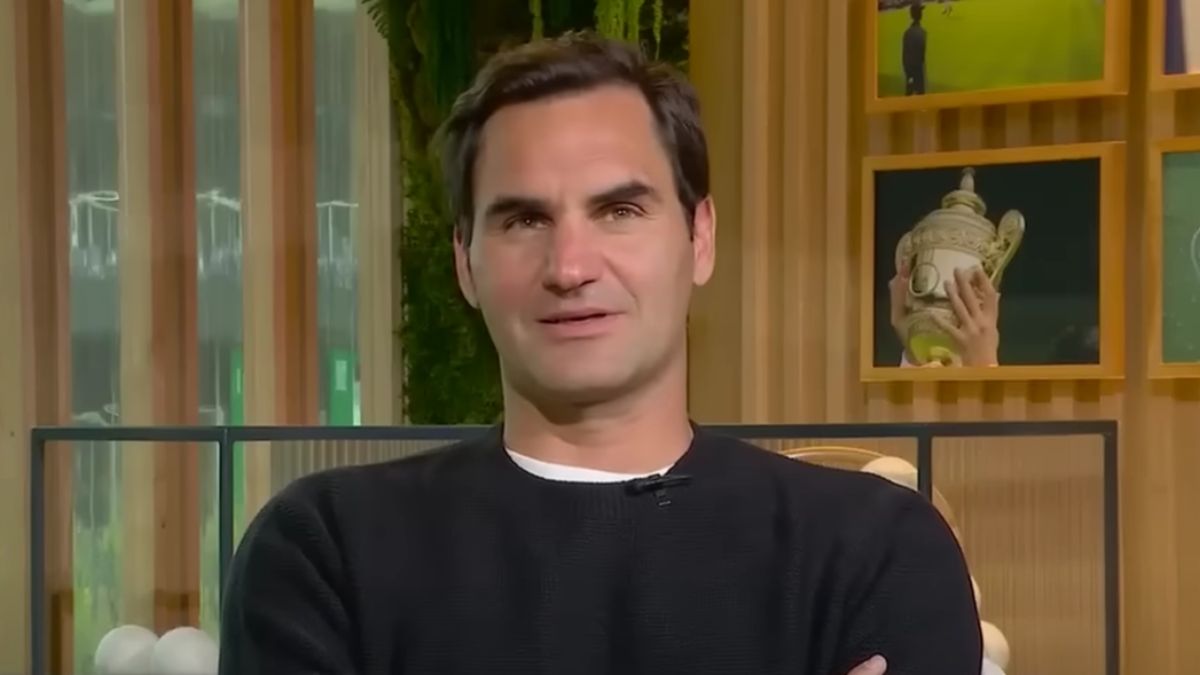
Roger Federer is widely admired for his tennis legacy, but his financial empire often flies under casual sports radar. Beyond prize money, he invested early in the performance brand On Running, where he still holds significant equity. That stake exploded in value once the company went public, making Federer’s off-court returns a major driver of his wealth. Despite his star status in tennis, his business savvy often gets less attention than his racquet. His journey is a model for how underrated athletes can scale wealth via equity, not just contracts.

5. Serena Williams

famous siblings earnings - Serena and Venus Williams - TODAY

Image Source: YouTube/TODAY

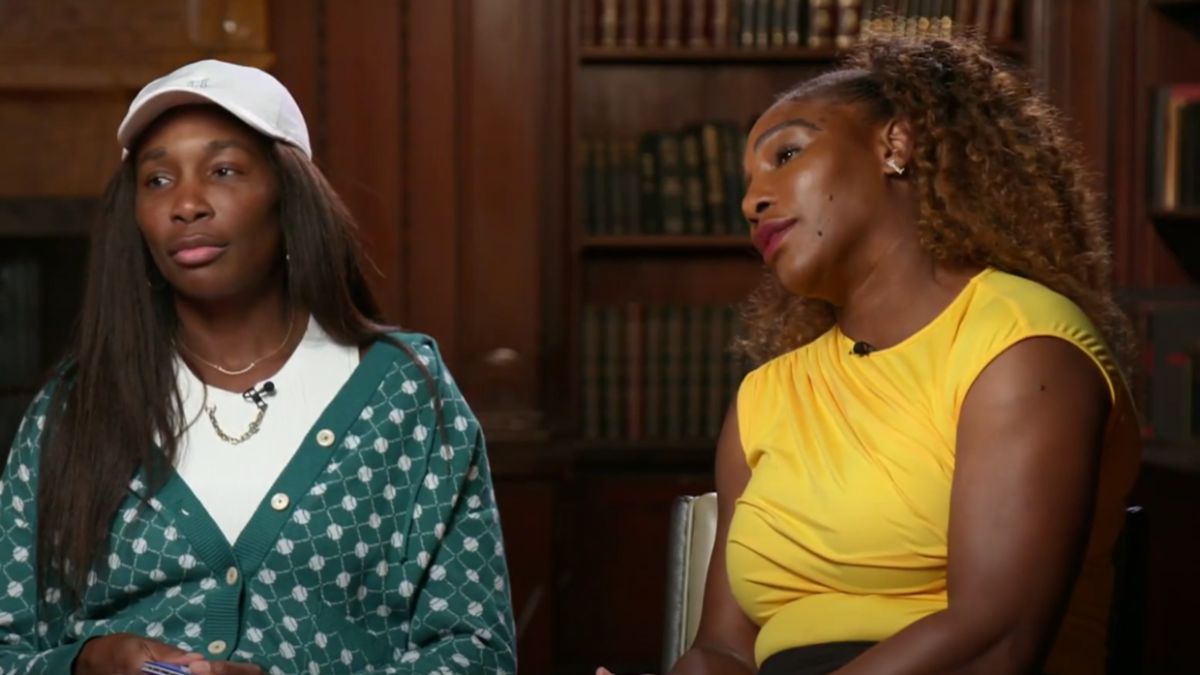
While her on-court dominance is obvious, many still underestimate how deeply Serena Williams built her fortune via investment. Through Serena Ventures, she has backed more than 30 startups, especially those led by women and underrepresented founders. She also holds equity in consumer brands, media, and tech companies. Her off-court hustle contributes substantially to her net worth beyond tennis glory. Serena shows how underrated athletes can lean into riskier ventures, not just sponsorships.

What Ties These Underrated Athletes Together

What unites these underrated athletes is not necessarily headline fame—but ambition, discipline, and strategic thinking. Each treated their sporting career as a platform, not the final stage. They reinvested earnings into diversified assets, equity stakes, real estate, or business ownership. They avoided overexposure to debt or lifestyle inflation. Most importantly, they thought long-term—with patience as a core strategy.

Which of these athlete stories surprised you most—or did you know someone who quietly built a fortune that way? Drop your thoughts or your own favorite underdog wealth story in the comments!

What to Read Next

Can You Outsmart Wall Street With a Violin and an Algorithm? What Is Eric Stanley’s Net Worth?

Eric Stanley net worth

Image Source: YouTube/Eric Stanley

If you’ve ever wondered how a classically trained violinist ends up trading stocks, or whether music, math, and markets can mix, you’re not alone. Eric Stanley is one of those rare figures who blends artistry and financial algorithmic savvy—combining violin strings with data strings, so to speak. How does someone pull off that crossover, and more importantly, what kind of net worth does it generate when you straddle creative and quantitative worlds? In this article, we’ll dig into who Eric Stanley is, how his hedge-fund algorithms actually work, and gather what credible sources say about his net worth. Whether you’re into music, finance, or both, there’s a lot to learn from Stanley’s story about creativity, risk, and value.

Who Is Eric Stanley: Violinist Turned Quant Hedge-Fund Manager

Eric Stanley (born April 19, 1991) is more than just a violinist with viral videos—he’s also an entrepreneur and quantitative hedge fund manager. He co-founded Stay Inspired Capital, a hedge fund that uses trading algorithms and mathematical models to exploit market inefficiencies. His musical presence remains strong via his YouTube channel (Estan247), his violin performances, and media company Stay Inspired. He holds a degree from Virginia Commonwealth University and has been active since around 2009. His background suggests a blend of musical discipline and analytical rigor.

How His Algorithmic Approach Works


View this post on Instagram


A post shared by Eric Stanley (@estan247)

Stanley’s hedge fund is built on quantitative investing: algorithms, data, statistical models—all aiming to automate the detection of market inefficiencies. It isn’t about gut feeling or traditional stock picking so much as using metrics, backtesting, and pattern recognition. The violin side of his persona emphasizes improvisation and creativity, but in the algorithmic context, that translates into flexible models that adapt to conditions. Because markets move fast, the algorithmic approach requires constant calibration and risk management. Stanley’s dual role lets him draw an interesting contrast between art and finance, showing how discipline in one field can inform insight in the other.

What Do We Know About Eric Stanley’s Net Worth?

Here’s where things get a little murky—there’s no publicly confirmed net worth for Eric Stanley. Because Stay Inspired Capital is privately held, no filings force disclosure of earnings or personal equity in the way a public company might. There’s no reliable source (at least publicly accessible) that gives a dollar figure for Stanley’s assets, cash flows, or net worth. However, his multi-stream income sources—musical performances, YouTube views, entrepreneurship, and hedge fund returns—suggest he is doing well financially. While some articles and social media speculate on his wealth, without verified evidence, these remain guesses. What is clear is that he’s built a rare career path combining art and finance, which tends to attract both opportunity and valuation—but also uncertainty when it comes to precise numbers.

5 Things That Might Contribute Significantly to His Wealth

While we can’t name his net worth number with confidence, here are five factors likely boosting Stanley’s earnings and financial profile:

  1. Revenue from public performances, tickets, and collaborations as a violinist—especially via his YouTube channel.
  2. Profits from algorithmic strategies and hedge fund operations with Stay Inspired Capital.
  3. Value of his media company (“Stay Inspired”) and brand extensions (products, content monetization).
  4. Investments, equity, or dividends from things outside music or finance—possibly real estate, partnerships, or side businesses.
  5. Speaking engagements, educational appearances, and philanthropic work that often pay or create opportunities in other fields.

These combined sources make the concept “net worth” meaningful, but still hard to pin down publicly.

What We Don’t Know About His Financial Picture

There are also significant gaps in what we don’t know that matter when assessing net worth:

  • We don’t have verified numbers for his hedge fund’s assets under management (AUM)—which is key to estimating earnings from algorithmic returns.
  • We don’t know expenses: development and maintenance of algorithms, staff, operational overhead, etc.
  • There’s no public record of whatever investments, liabilities, or debts he may hold—personal or business.
  • Public offerings, stock holdings, or private equity stakes (if any) are not disclosed.
  • We don’t have access to exact contract terms, royalty incomes, or monetization deals for his musical brand.

Because of that, estimates can easily be off by large margins. Anyone placing a number without solid data is largely speculating.

Why Stanley’s Story Matters on Wall Street and Beyond

Eric Stanley’s journey shows that blending creativity and quantitative skill isn’t just possible—it could be an edge. Markets are often dominated by people who specialize narrowly; Stanley’s hybrid approach—violinist, programmer, entrepreneur—suggests alternative mindsets can find niches others may overlook. His presence inspires others who don’t fit the “typical” mold of a quant or a musician to think bigger. Whether or not his net worth is disclosed, the real lesson may be in how he built his career: combining art, data, and disciplined risk. If you aim to outsmart Wall Street (or just succeed in your field), that kind of multifaceted approach might be your trump card.

The Big Picture on Estimating His Net Worth

So: Can you outsmart Wall Street with a violin and an algorithm? Eric Stanley suggests the answer leans toward yes, but “net worth” in his case is a nuanced concept. With multiple income flows, private business entities, and algorithmic gains, the real figure is likely nontrivial, but no public source offers a credible number. For readers, the takeaway isn’t necessarily the number itself—it’s how building diversified skills, leveraging algorithms, and maintaining creative authenticity can build value. Stanley’s story is less about chasing a big net worth headline and more about setting up systems and talents that grow over time. Real wealth often shows up quietly in discipline, consistency, and combining unexpected strengths.

If you had to guess, what do you think Eric Stanley’s net worth might be—based on his music + finance model—and what qualities make someone’s net worth credible to you? Share your thoughts in the comments!

What to Read Next

Is Master P Still One of The Richest Rappers?

Master P Net Worth - Breakfast Club Power 105.1 FM

Image Source: YouTube/Breakfast Club Power 105.1 FM

Master P isn’t just a name from the 1990s — he’s a blueprint for what it means to turn rap into a full-blown business empire. If you care about how artists build wealth beyond music, Master P’s story shows the payoff (and pitfalls) of diversifying. With streaming, merch, real estate, and endorsements now part of many artists’ portfolios, knowing where he stands helps us understand what “richest rapper” really means today. Plus, seeing whether his net worth holds up gives insight into how sustainable wealth in hip-hop can be. So, is Master P still among the richest? Let’s break it down.

What the Numbers Say: Net Worth Estimates

Most credible sources put Master P’s net worth around $200 million as of 2024–2025. He appears on lists like Celebrity Net Worth, Highsnobiety, and others as one of the wealthier rappers, though not in the billionaire tier. But compared to top-tier moguls—like Jay-Z, Dr. Dre, or Kanye West—his fortune is more modest. Still, $200M is nothing to sneeze at; it places him well above many peer artists.

Master P’s wealth isn’t just from selling albums. He founded No Limit Records, which gave him control over his master recordings and allowed him to retain a large portion of the revenue.  He expanded into real estate (PM Properties owns over 100 properties) and developed businesses spanning film, television, fast food, clothing, auto accessories, and more. Other ventures like Rap Snacks, Master Crunch cereal, and his youth centers also contribute.

How He Ranks Among His Peers


View this post on Instagram


A post shared by Master P (@masterp)

While Master P is rich, the top of the list of richest rappers is increasingly stacked. Jay-Z is reported to be worth several billion dollars, far ahead. Dr. Dre, Diddy (Sean Combs), Kanye West, and a few others outstrip him, especially when factoring in stakes, investments, and brand partnerships. That said, he is frequently listed in the top 10–20 richest rappers globally and often among the richest from his generation.

What Challenges Could Affect His Riches

Maintaining wealth over decades is tricky, and Master P has faced headwinds. Changes in music industry revenue models (streaming vs. album sales) can shrink margins. Also, many of his older business ventures (No Limit’s dominance in the ’90s, for instance) had to adapt or fade. Real estate and physical businesses also carry maintenance, taxes, and economic risks. Plus, public visibility, relevance, and legacies matter: younger artists often attract newer investment, so staying in the loop helps.

Being among the richest rappers isn’t just about total net worth—it’s about influence, control, legacy, and ongoing revenue. Master P retains ownership of many of his business operations, giving him long-term income rather than just one-time payouts. His story matters because it shows the value of independence and diversified income. Even if he’s not #1 in dollar terms, his blueprint (label ownership, varied businesses, community investment) is as significant as the amounts. For many fans and artists, that kind of lasting power is more impressive than a flashy net worth headline.

Master P’s Place in Hip-Hop Wealth Today


View this post on Instagram


A post shared by Master P (@masterp)

Master P is still one of the richest rappers, especially when you consider his generation, his ownership, and his business diversification. He’s not topping the billionaire charts, but with roughly $200 million in net worth and many successful ventures, he is comfortably in the upper echelon. While others leap ahead by combining massive tech, streaming, or brand deals, nobody really beat his hustle in turning rap into multiple income streams. His story reminds us that building wealth in music isn’t just about hits—it’s about business smarts.

You May Also Like