fbpx

Famous Gay Stars Who Tragically Passed Away—and What Led to Their Deaths

gay celebrities

Image Source: Unsplash

When a public figure dies, fans often focus on what made them famous—the music, the talent, the spotlight. But behind the acclaim are real human stories. For gay celebrities, living under the glare of both fame and social stigma can bring extra pressures. Their deaths often reflect not just personal health or tragedy, but broader struggles faced by the LGBTQ+ community. Revisiting these stories helps us honor their art, understand their journeys, and keep their legacies alive.

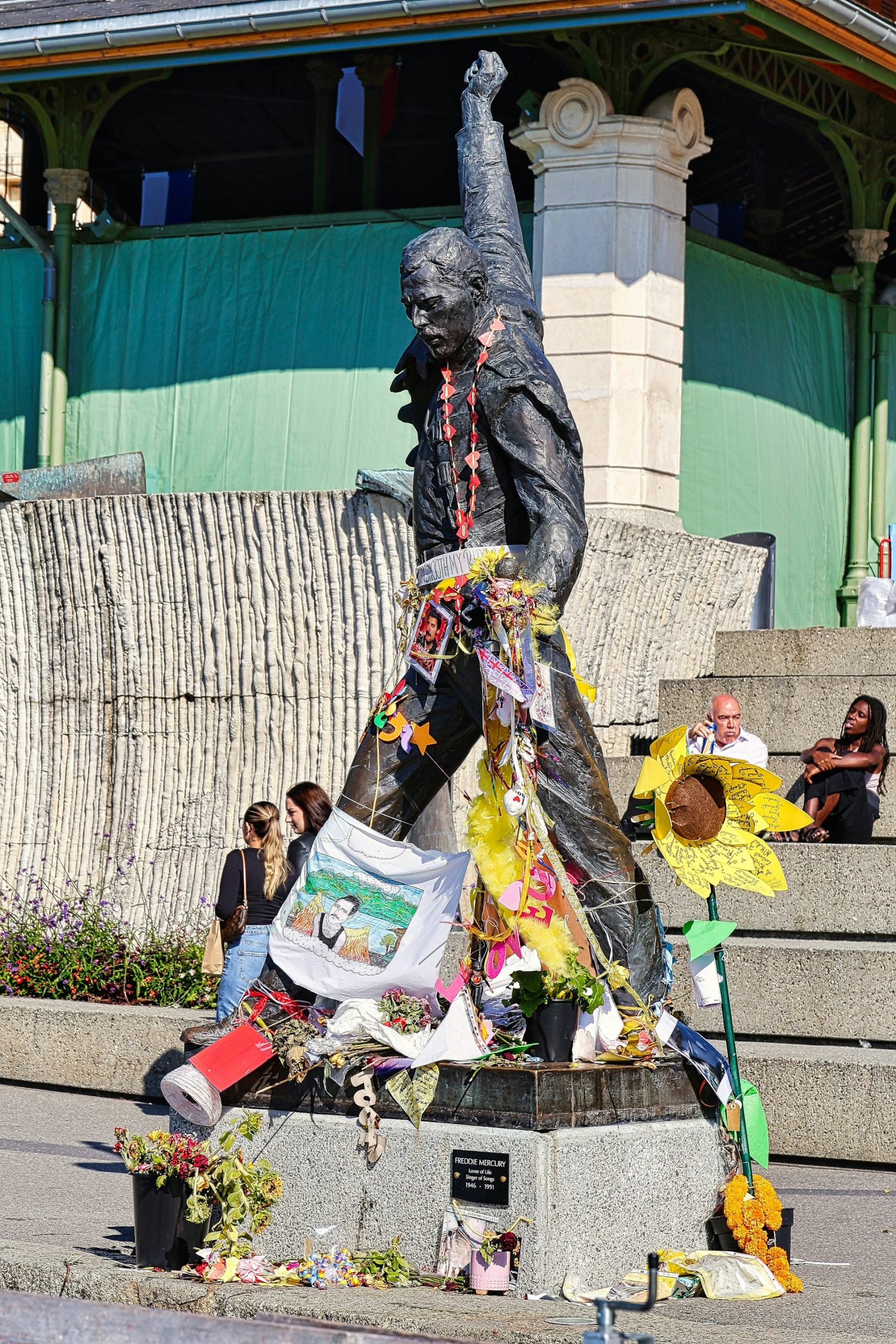
1. Freddie Mercury — Rock Legend Overtaken by AIDS

Freddie Mercury, Queen’s flamboyant and unmatched frontman, remains one of the most celebrated gay celebrities ever. He publicly revealed his diagnosis with AIDS just one day before he died in 1991. His death at age 45 was from complications related to HIV/AIDS, spotlighting the crisis at a time when stigma ran rampant. Mercury’s revelation and passing stirred global conversations about HIV, gay rights, and public health awareness. His musical legacy endures—and his life story continues to teach lessons about vulnerability, fame, and humanity.

2. Rock Hudson — A Hollywood Star and AIDS Landmark

Long before it was common to speak openly about sexuality or illness, actor Rock Hudson was one of the few major stars whose HIV status became front-page news. Hudson, who had been closeted for much of his career, was diagnosed with AIDS and went public in 1985—shortly before his death. He died later that year, at age 59, from AIDS-related complications. His openness, forced though it was, pushed the entertainment industry and public health systems toward greater transparency about HIV. Hudson’s life and end stand as a turning point in how gay celebrities and disease are discussed in public.

3. Anthony Perkins — Breaking Stereotypes, Facing Silence

Best known for his chilling portrayal of Norman Bates in Psycho, Anthony Perkins was among the gay celebrities whose sexuality was never fully public during much of his life. After his death in 1992, it was confirmed that Perkins died from AIDS-related causes. His battle with the disease was managed privately, reflecting the era’s fear and stigma. Perkins’s dramatic legacy is complex—he navigated the demands of Hollywood while also struggling to live truthfully in a time of harsh judgment. His death reminds us of the many talented queer individuals whose identities could not be freely lived.

4. Howard Ashman — The Voice Behind Disney’s Heart

Howard Ashman was the brilliant lyricist behind musicals like The Little Mermaid and Beauty and the Beast. He publicly identified with gay men’s creative communities, making him one of the gay celebrities whose work bridged mainstream audiences and queer expression. Ashman died in 1991 of complications related to AIDS at age 40. His passing deeply affected the world of musical theater and animation, leaving many projects unfinished and a legacy of heart-driven storytelling. Ashman’s life shows how queer voices have shaped beloved art, even under threat.

5. Rudolf Nureyev — Ballerina’s Bold Break and a Life of Secrets

Rudolf Nureyev, one of the greatest dancers of the 20th century, was openly gay among those close to him, although he kept many details private given the era and his travels. He died in 1993 from AIDS-related complications in France, at age 54. Nureyev’s career defied convention—he defected from the Soviet Union and pushed boundaries in ballet and performance. His death emphasized that even those at the pinnacle of art were vulnerable to public health crises. To many fans today, Nureyev remains a symbol of brilliance, risk, and the cost of secrecy.

6. Leslie Jordan — Humor, Authenticity, and Loss

Leslie Jordan was beloved for his roles on Will & Grace, American Horror Story, and his warm, witty presence in queer community media. He was openly gay and frequently celebrated his identity in life and work. Jordan died unexpectedly in 2022 at age 67 in a car accident in his car on a rural road. While his death wasn’t caused by illness, it was a sudden loss that deeply resonated in LGBTQ+ communities. Jordan’s openness, humor, and kindness made him both a trailblazer and a friend to many.

7. Pedro Lemebel — Chilean Icon and Queer Chronicler

Pedro Lemebel was a Chilean writer, critic, and performance artist who lived openly gay and became a powerful voice for marginalized queer communities. He used flamboyant style and political edge to challenge authoritarian norms. Lemebel died in 2015 from laryngeal cancer at age 62. His death touched not just the arts world of Latin America but also queer activism at large. Through both his life and his end, Lemebel showed how identity, creativity, and resistance can intertwine.

Enduring Impact Beyond Their Final Moments

These gay celebrities did far more than entertain—they broke barriers, spoke truths, and carried the complexities of queer life into public view. Their deaths often reflected the vulnerability that comes with marginalization, stigma, and health crises. Yet their legacies endure through music, film, theatre, writing, and community memory. When we revisit their stories, we do more than mourn — we reclaim their impact. Their voices echo still, reminding us of both how far we’ve come, and how much work remains.

Which of these gay stars’ legacies resonates strongest with you — and whose story do you wish more people knew? Share your thoughts in the comments.
You May Also Like

Toni Ko’s Path: From Startup Cosmetics to a Half-Billion Dollar Sale

Toni Ko NYX Cosmetics

Image Source: Shutterstock

Toni Ko’s story isn’t just a tale of business success—it’s proof that understanding your audience can change your life. As the founder of NYX Cosmetics, she turned a $250,000 startup investment into a global beauty brand worth hundreds of millions. When L’Oréal purchased NYX in 2014 for an estimated $500 million, Ko became one of the most celebrated self-made women in the beauty industry. But her journey wasn’t about luck—it was about spotting a gap in the market and delivering exactly what customers wanted. The rise of Toni Ko NYX Cosmetics is a masterclass in strategic entrepreneurship and modern branding.

Spotting a Gap in the Beauty Market

In the early 2000s, makeup was divided into two extremes: drugstore brands that lacked quality and high-end products that came with steep price tags. Toni Ko, a Korean-American entrepreneur raised in Los Angeles, saw a clear opportunity in the middle. She realized that everyday consumers wanted professional-quality makeup without spending $30 on a lipstick. With that insight, she launched NYX Cosmetics in 1999 from a small office in California. Her mission was simple but powerful—create affordable luxury that performed like the big brands.

Building NYX with Street Smarts and Strategy

Ko didn’t rely on celebrity endorsements or massive ad budgets. Instead, she focused on word-of-mouth marketing and creating products that truly delivered results. Her first breakout item—a $1.99 eyeliner that rivaled luxury brands—spread quickly among makeup artists and everyday shoppers alike. She reinvested profits into expanding the line, keeping prices low while improving packaging and formulas. By staying close to her customers, she built fierce loyalty that money couldn’t buy. This grassroots approach became one of the defining pillars of Toni Ko NYX Cosmetics’ success.

The Power of Timing and Social Media Influence

As social media platforms like YouTube and Instagram began to take off, NYX was one of the first brands to capitalize on influencer culture. Beauty vloggers started reviewing and recommending NYX products organically, giving the brand massive exposure without traditional advertising. Ko recognized this trend early and sent free products to creators, building partnerships before “influencer marketing” was even a buzzword. This strategy positioned NYX as an authentic, trend-driven brand loved by the online beauty community. For Ko, understanding digital culture was just as crucial as understanding cosmetics.

The Big Break: L’Oréal Comes Calling

By 2014, NYX had become a phenomenon—sold in over 70 countries and generating millions in annual revenue. That same year, L’Oréal saw the potential and acquired the company for a reported $500 million. The sale marked one of the biggest independent brand acquisitions in the beauty industry at the time. For Ko, it was a bittersweet moment—her years of work had paid off, but she also knew she’d have to step away due to non-compete agreements. Still, the deal cemented her place as a visionary in the beauty world and proved the power of building a brand rooted in accessibility.

Finding Purpose After the Payoff

After selling NYX Cosmetics, Toni Ko faced an unexpected challenge—figuring out what came next. Despite her wealth, she felt restless and missed the creative energy of entrepreneurship. That led her to launch a new venture: Perverse Sunglasses, a fashion-forward eyewear brand inspired by the same philosophy—affordable luxury. Although the company didn’t replicate NYX’s success, it reignited her passion for innovation. Ko later shifted her focus to Butter Ventures, an investment firm supporting other female-led startups. Her journey showed that success isn’t about one big win—it’s about staying curious and adaptable.

Lessons Entrepreneurs Can Learn from Toni Ko

Toni Ko’s career offers timeless lessons for anyone chasing a business dream. First, find a genuine gap in the market instead of trying to compete directly with giants. Second, know your audience better than your competitors do—NYX thrived because Ko built for real people, not just profit margins. Third, embrace digital trends early; social media turned NYX into a global name before most brands understood its potential. And finally, remember that success is cyclical—even after selling her company, Ko kept building, mentoring, and investing in others. The Toni Ko NYX Cosmetics story proves that entrepreneurship is a mindset, not a moment.

Toni Ko’s Legacy: More Than Makeup

Toni Ko didn’t just create a cosmetics line—she helped redefine what affordable beauty could be. Her journey from small business owner to multimillionaire investor reflects the evolution of modern entrepreneurship itself. By staying authentic, customer-focused, and adaptable, she turned a humble idea into a half-billion-dollar legacy. Today, her story continues to inspire women, immigrants, and dreamers everywhere who believe they can turn passion into success. In the end, Toni Ko’s real product wasn’t makeup—it was empowerment.

What do you think is Toni Ko’s greatest legacy—her business success or her commitment to empowering women in entrepreneurship? Share your thoughts below!

What to Read Next

15 Everyday Activities Kate Middleton Left Behind After Becoming a Royal

Kate Middleton

Image Source: Shutterstock

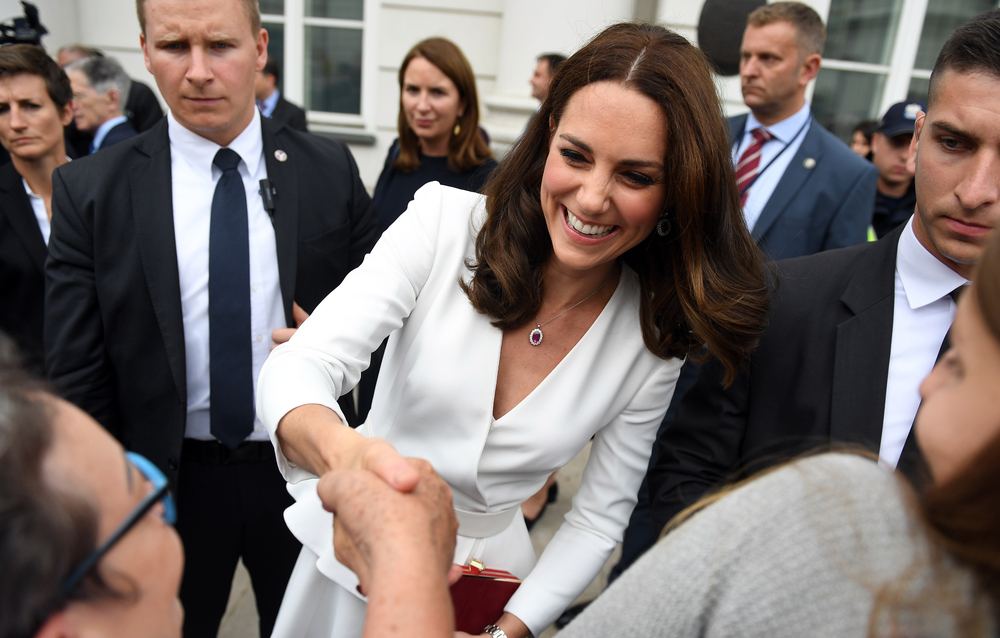
Before she became the Princess of Wales, Kate Middleton lived a relatively normal life. She went to college, had a job, and could pop into Starbucks without a second thought. But after marrying Prince William in 2011, everything changed. The transition from ordinary citizen to global icon meant trading in privacy and freedom for protocol and responsibility. Here are 15 everyday activities Kate Middleton had to leave behind once she officially joined the royal family.

1. Grocery Shopping Like Everyone Else

Once upon a time, Kate Middleton could run to her local Waitrose to grab groceries in peace. These days, security and paparazzi make that impossible. Every public outing must be planned in advance, and casual shopping trips are now a thing of the past. Her kitchen might still be stocked with her favorite foods—but someone else handles the shopping list. It’s one of the first freedoms she gave up as a royal.

2. Casual Social Media Posts

Like most young people, Kate Middleton once had personal social media accounts to connect with friends. But those days are long gone. Royals don’t manage their own Instagram or Facebook pages; every photo and caption is handled by communications teams. Even the official @KensingtonRoyal account carefully follows palace guidelines. For someone as personable as Kate, that loss of spontaneity likely felt strange at first.

3. Walking Around Without Security

Privacy is a luxury Kate Middleton no longer has. Wherever she goes, royal protection officers accompany her—whether it’s official duties or personal errands. While the constant security ensures her safety, it also eliminates the freedom of anonymity. Gone are the days of grabbing a coffee or taking a quiet stroll without notice. Life as a royal means being watched, literally, at all times.

4. Voting in Elections

As a member of the royal family, Kate Middleton cannot vote or express political opinions. The monarchy must remain strictly neutral to preserve its role as a unifying institution. That means she can’t publicly support any party or candidate, even if she has personal views. For someone raised in a democratic society, that’s a major adjustment. In exchange for influence, she sacrifices the ability to participate in political choice.

5. Public Displays of Affection

You’ll rarely see Kate Middleton and Prince William holding hands or kissing in public. Royal protocol frowns upon displays of affection during official appearances. While they’re clearly close behind the scenes, they maintain formality when representing the Crown. It’s part of projecting dignity and professionalism. Romance in the royal world happens behind palace doors, not in front of cameras.

6. Taking Selfies with Fans

Modern celebrities are used to snapping selfies with admirers—but not Kate Middleton. Royals are discouraged from posing for selfies or signing autographs, as it’s considered too casual and undignified. Instead, they engage through conversation and eye contact. Kate often compensates with her warm personality and approachable demeanor. Still, fans might be disappointed to walk away without a photo.

7. Choosing Her Own Wardrobe Freely

Fashion freedom is another thing Kate Middleton had to compromise. Every outfit she wears—down to the accessories—must fit royal etiquette and cultural sensitivity rules. She can’t just throw on jeans and sneakers for an event without consideration. Her wardrobe choices are carefully coordinated for modesty, elegance, and message. While she’s become a style icon, her clothing is now less about personal taste and more about diplomacy.

8. Traveling Spontaneously

As a royal, Kate Middleton can’t just hop on a plane for a weekend getaway. Every trip, even a family holiday, requires palace approval, security coordination, and logistical planning. She also has to travel with an official entourage and sometimes a backup wardrobe in case of emergencies. Gone are the days of last-minute flights or budget airlines. Every movement is a production—sometimes literally.

9. Making Personal Purchases Freely

While Kate Middleton has access to luxury, she doesn’t have the same spending independence she once did. Her purchases—especially large ones—are subject to scrutiny and sometimes funded by official allowances. Royals must avoid any appearance of extravagance or favoritism. Even her shopping trips are strategically photographed to promote British designers. The result: every credit card swipe is a public statement.

10. Expressing Strong Opinions

Kate’s poised image isn’t just personality—it’s professionalism. As a senior royal, she must avoid controversial topics, from politics to personal opinions about world events. Every word is measured and vetted, even in interviews. Kate Middleton may feel strongly about issues like mental health or early childhood, but she expresses them through charitable action rather than debate. It’s diplomacy by silence—and it takes practice.

11. Eating in Public After the Queen Finishes

Royal dining comes with strict rules, and one of them is timing. Traditionally, once the monarch stops eating, everyone else must stop too. Though this rule is reportedly relaxed under King Charles III, it’s still a reminder of how formal royal meals can be. For Kate Middleton, dinners are no longer about casual conversation but etiquette precision. Even at the table, hierarchy rules.

12. Saying “No” to Engagements

When the Palace assigns events, senior royals rarely decline. Kate Middleton can’t just cancel a charity visit or state event because she’s tired or unwell, unless there’s a serious reason. Every appearance represents the Crown and affects public perception. That level of duty leaves little room for spontaneity or personal preference. Being royal means always showing up—gracefully.

13. Shopping at Regular Stores

Before royal life, Kate Middleton was known for her relatable love of high-street fashion. She was frequently spotted shopping at Zara, Topshop, and Marks & Spencer. While she still supports affordable brands, she can no longer browse casually without creating a media frenzy. Her visits are now carefully managed or done privately online. Even a trip to the mall would make global headlines.

14. Driving Herself Around London

Kate used to drive herself around town, but those days are mostly gone. Royals rarely drive in public, especially in major cities, due to security concerns. She occasionally drives near private estates like Anmer Hall, but official outings require chauffeurs and armored vehicles. Losing that independence is one of the biggest trade-offs. Still, it’s a small price for safety in the royal spotlight.

15. Living a Completely Private Life

Perhaps the biggest change of all: Kate Middleton gave up anonymity forever. Every smile, outfit, and gesture is analyzed by millions. Her role means her life belongs partly to the public. Even her parenting moments with Prince George, Princess Charlotte, and Prince Louis make international headlines. For someone who once lived quietly, that’s the most permanent change of all.

The Price of Becoming Royal

Life as a royal is glamorous, but it’s also a life of restraint. Kate Middleton traded privacy for purpose, comfort for constant scrutiny, and freedom for service. While she’s handled it with grace, the daily sacrifices are enormous. Still, her poise and dedication prove that she’s not just surviving the spotlight—she’s mastering it.

Which royal rule would be the hardest for you to follow—privacy, politics, or public perfection? Share your thoughts in the comments!

What to Read Next

11 Actors Who Were Denied Roles for Being ‘Too Ugly’

You might assume that in show business, talent trumps looks—but countless stories prove otherwise. Some actors reveal that roles slipped through their fingers not because of skill, but because producers, directors, or casting executives deemed them “not pretty enough.” Those rejection tales often linger in the shadows, rarely making headlines. But they speak volumes about how narrow standards of beauty and appeal can distort opportunity. Below are 11 actors who say (or whose histories suggest) they lost roles simply because they didn’t match someone’s idea of what a lead “should” look like.

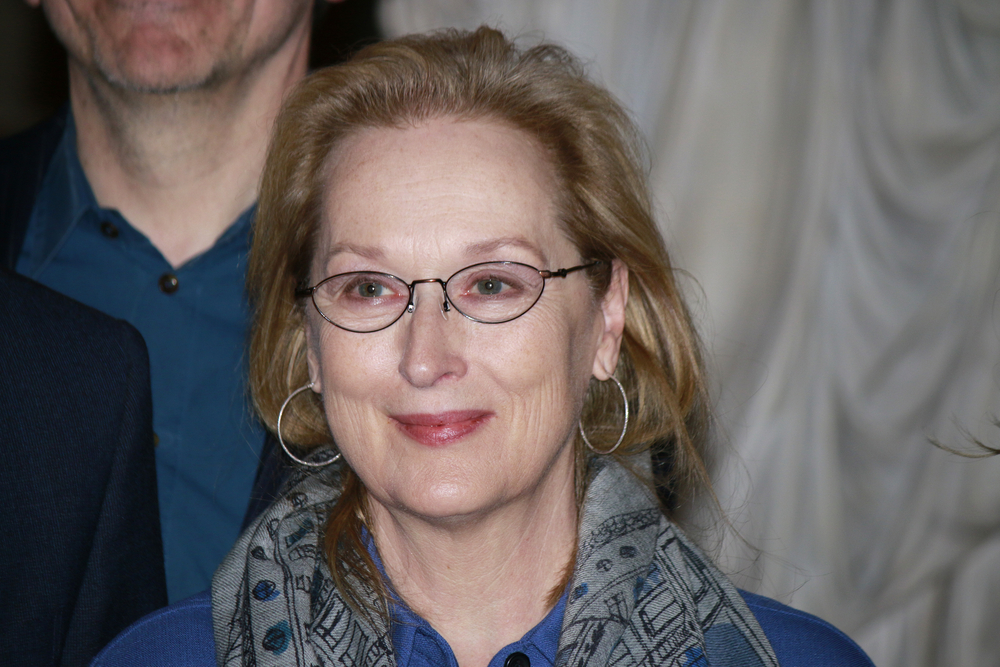
1. Meryl Streep

too ugly - Meryl Streep

Image Source: Shutterstock

Even Meryl Streep, one of the most celebrated actors alive, hasn’t escaped harsh judgments on her looks. She once recalled auditioning for King Kong in 1976, only to have a producer murmur in Italian, “che brutta”—“how ugly.” That moment left a lasting impression, reinforcing that even early in her career, appearance judgments were real. She responded nervously but firmly, pointing out she understood what was being said. Ironically, she went on to build a career defined by expressive faces and emotional nuance, proving the decision was folly.

2. Jesse Metcalfe

Jesse Metcalfe shared a more recent example: when auditioning for The Vampire Diaries, a CW executive told him he couldn’t play a vampire because he had “too nice of a face.” That comment boiled down to “not harsh enough” or “not dangerous-looking enough,” a subjective aesthetic judgment. Metcalfe has spoken about the frustration of being turned away for looks rather than performance. It underscores that even with a recognized name, actors still compete under narrow aesthetic filters.

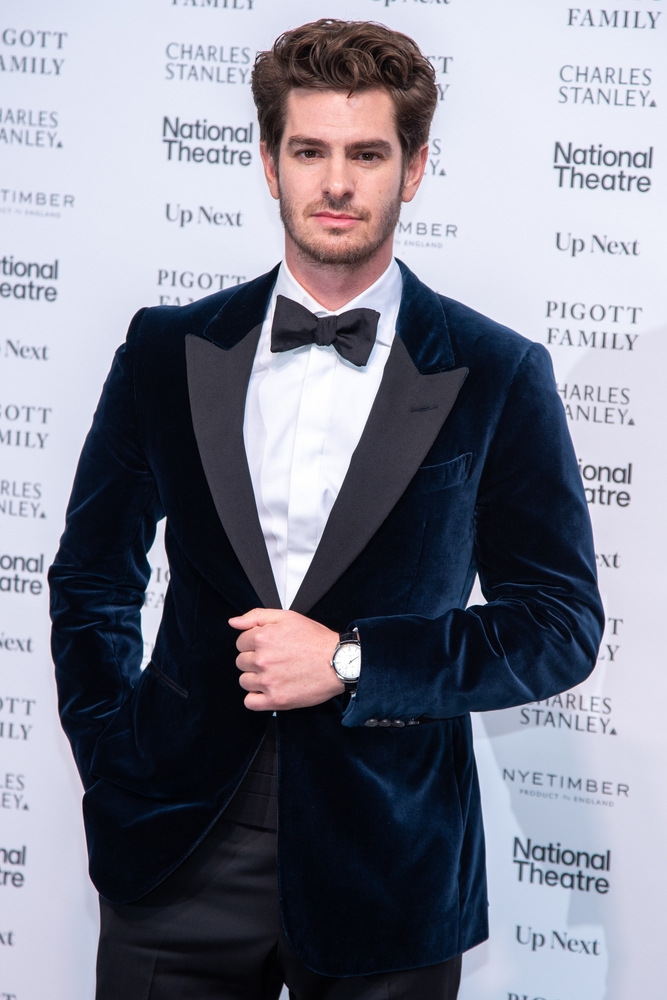
3. Andrew Garfield

Andrew Garfield

Image Source: Shutterstock

According to reports, Andrew Garfield lost an audition for The Chronicles of Narnia: Prince Caspian because he was considered “not attractive enough” by some decision makers. Though Garfield later rose to major stardom, this early setback illustrates how aesthetic impressions can shut doors. Producers chose another actor whose look better fit their vision. Even talented performers may be sidelined by visual expectations before their acting is weighed. Garfield’s later success shows resilience—but the rejection shaped his path.

4. Henry Cavill

Before he became Superman or Geralt, Henry Cavill auditioned for roles—and was reportedly rejected for being too heavy or not lean enough. In one telling case, he was passed over for James Bond because the producers said he wasn’t lean enough. That phrasing hides a judgment about physique and appearance, not skill. Cavill later slimmed into the physique and image expectations. But that early rejection is a reminder: in Hollywood, your body is often part of your résumé.

5. Mindy Kaling

Mindy Kaling has publicly discussed how a network once declined her show pitch because executives claimed she was “too unattractive” to play herself. That’s particularly absurd when considering that she would have just been playing her own identity. The network reportedly felt she didn’t fit a conventional lead mold. Her later success in The Office and The Mindy Project challenges that rejection squarely. It highlights how whiteness, size, and “beauty norms” intersect in casting.

6. Samantha Morton

Samantha Morton was once passed over for a role in The Brothers Grimm by producers who said she was “too fat” for the part. That kind of language frames weight or body shape as an aesthetic disqualification. Even actors who are reputed for depth and nuance face pressure to conform to narrow visuals. Morton has continued to pursue strong, atypical roles despite such early rejections. Her resilience shows that credibility and range can outlast casting bias.

7. David Harbour

David Harbour, now a star in Stranger Things, reportedly was told he was “too fat” for a role in X-Men Origins: Wolverine. That decision about his body came before his name or reputation carried weight. Over time, he reshaped roles to suit his strengths rather than chase arbitrary aesthetic ideals. He later built a reputation for commanding presence in physically demanding roles. His story is one of pivoting from rejection to creating opportunities.

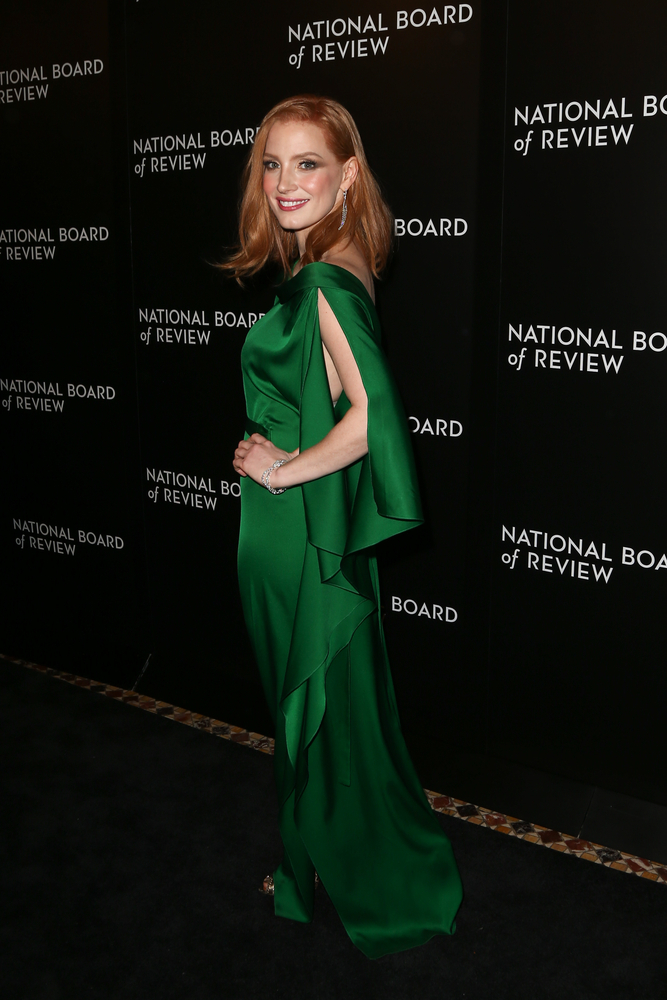
8. Jessica Chastain

Jessica Chastain

Image Source: Shutterstock

Early in her career, Jessica Chastain was told by casting agents that she should dye her red hair blonde to increase her chances. In effect, they were judging her looks as a liability. She refused to conform and kept her natural aesthetic, forging a unique brand of beauty. Today, she’s celebrated for her red hair and distinctive look. What many once saw as a flaw became part of her unmistakable identity.

9. Ryan Gosling

Ryan Gosling lost the role in The Lovely Bones after a director disapproved of his increased weight, saying his interpretation made him unsuitable. That rejection was less about his acting than about a visual “type” the director wanted. Gosling later accepted lighter or more conventional roles. Still, he’s spoken about pressures to conform to physical expectations. His story illustrates how weight and image control can shadow acting talent.

10. Kate Beckinsale

Even beautiful actors aren’t immune to aesthetic rejection. Michael Bay allegedly said Kate Beckinsale wasn’t “hot enough” for Pearl Harbor, despite her established star presence. That kind of dismissal reduces performance to surface attractiveness. She eventually got the role, but only after pressure and adjustments. Her experience underscores how appearance metrics color casting decisions—even for leading ladies. It reminds us how fickle and superficial casting judgments often are.

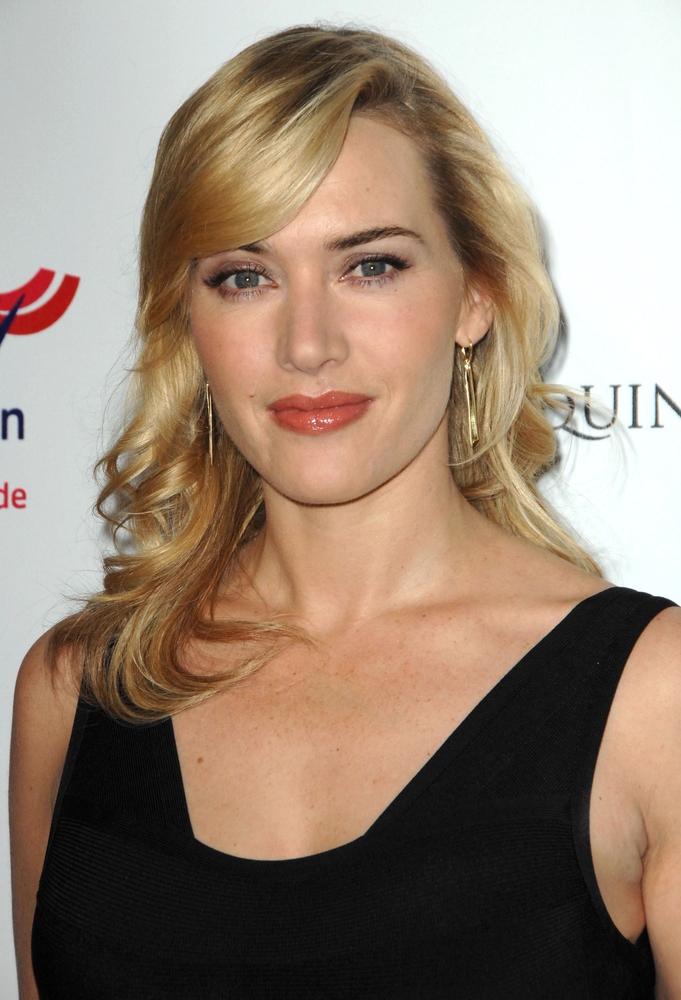
11. Kate Winslet

Kate Winslet

Image Source: Shutterstock

At just 22, Kate Winslet was told by an acting teacher that she’d only be cast in “fat girl parts” and discouraged from aiming for leading roles because she didn’t meet a conventional standard. Though small in scale, these comments reflect how early beauty norms get baked into training and expectation. She endured judgment not for lack of talent, but for perceived look issues. Over decades, she’s challenged those constraints with nuanced, powerful performances. Her trajectory shows that storytelling value can ultimately outweigh youthful prejudice.

What These Stories Tell Us

The pattern is striking: thousands of choices in casting hinge not on acting but on how someone looks. The “beauty tax” in entertainment forces actors—especially those who don’t conform—to carry extra burdens. These 11 stories illustrate that even the most successful names have walked that gauntlet. But they also show resilience: many turned rejection into motivation to own their uniqueness. Hollywood’s vision of “beauty” is narrowing, but talent, persistence, and changing norms keep pushing it open.

Have you heard a story of a performer being passed over for reasons of looks? Who do you think overcame those biases—and which stories surprised you most?

What to Read Next