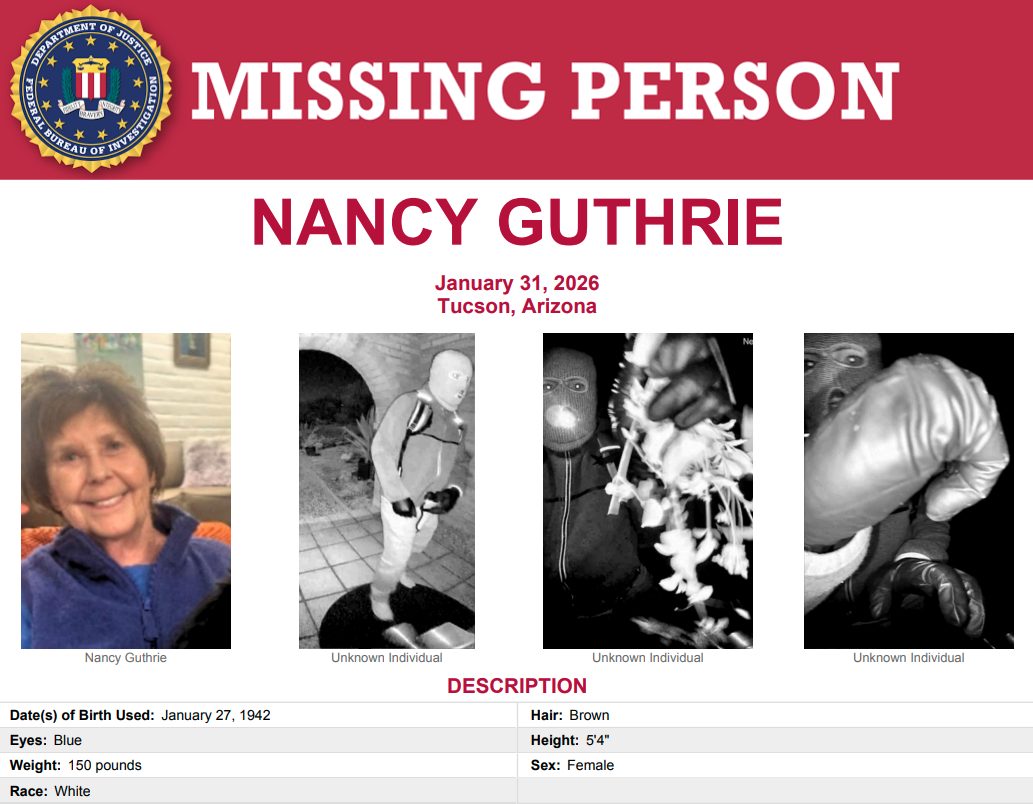
By Federal Bureau of Investigation – Original publication: Published by the Federal Bureau of InvestigationImmediate source: https://www.fbi.gov/wanted/kidnap/nancy-guthrie, Public Domain, Link
Savannah Guthrie’s emotional plea for her mother’s safe return has captured the nation’s attention, but it also shines a light on a financial blind spot most Americans never think about until it’s too late. When Guthrie looked into the camera and begged for information—saying her family still has hope and urging the abductor to “do the right thing”—millions felt the raw fear of a crisis unfolding in real time.
But behind every heartbreaking emergency like this lies a practical truth: sudden crises come with sudden costs, and most families aren’t financially prepared. This moment is a reminder that emotional emergencies often trigger financial emergencies, too. And that’s the financial blind spot so many households overlook until they’re already overwhelmed.
Emergency Costs Hit Faster Than Most Families Expect
View this post on Instagram
Most people imagine emergencies as emotional events, not financial ones, but the two are always intertwined. When a loved one goes missing, families often face immediate expenses like travel, time off work, and legal consultations. These costs can pile up within hours, long before anyone has time to think clearly.
Savannah Guthrie’s family has been thrust into a situation where every minute matters, and that urgency mirrors what everyday families experience during crises. This is where the financial blind spot becomes painfully obvious: emergencies don’t wait for payday.
Few Households Have a Crisis‑Ready Emergency Fund
Even families who believe they’re financially stable often lack a dedicated emergency fund designed for sudden, high‑stress situations. A standard savings account may not be enough when unexpected costs escalate quickly. Many Americans underestimate how much cash they’d need if they had to act immediately—whether for travel, legal help, or urgent security measures.
The Guthries’ ordeal highlights how quickly circumstances can change, even for those who appear financially secure. This financial blind spot leaves millions vulnerable when life takes a sharp, unexpected turn.
Critical Documents Aren’t Easily Accessible in a Crisis
In emergencies, families often scramble to locate essential documents like IDs, medical records, passwords, and legal papers. When emotions are high, the lack of organization can delay critical decisions and add unnecessary stress. The public plea shows how fast families must respond when a crisis unfolds. Having documents scattered across drawers, devices, and old email accounts is a financial blind spot that slows everything down. A crisis-ready document plan can save time, money, and emotional energy when it matters most.
Emotional Stress Leads to Costly Financial Mistakes
When fear takes over, people make decisions they wouldn’t normally make—sometimes agreeing to overpriced services, falling for scams, or rushing into financial commitments. Crises create the perfect environment for predatory actors who exploit desperation. Guthrie’s plea, filled with emotion and urgency, reflects the kind of pressure families feel when they’re desperate for answers.
That pressure can cloud judgment and open the door to financial missteps. Recognizing this financial blind spot helps families slow down and protect themselves even in moments of panic.
Most Families Don’t Have a Communication or Access Plan
View this post on Instagram
A crisis often reveals how unprepared families are when it comes to shared information. Many households rely on one person to manage finances, passwords, accounts, and important contacts. If that person becomes unavailable—or if the family needs to act quickly—everyone else is left scrambling.
Savannah Guthrie’s family has had to coordinate across siblings, law enforcement, and the public, showing how essential communication becomes during emergencies. This financial blind spot can turn a difficult situation into a chaotic one if families haven’t planned ahead.
A Wake‑Up Call for Every Household
Savannah Guthrie’s heartbreaking plea is a reminder that crises don’t just test our emotions—they test our financial readiness, too. Her family’s ordeal underscores how quickly life can shift and how important it is to prepare for the unexpected long before it arrives. The financial blind spot millions overlook isn’t about wealth—it’s about readiness, organization, and the ability to act under pressure. Taking small steps now can prevent panic, protect your finances, and give your family stability when everything else feels uncertain.
What financial blind spot do you think most families overlook, and has a crisis ever revealed one in your own life? Share your thoughts in the comments.
What to Read Next
5 A-List Stars Who Are Currently Drowning in Debt
Bad Bunny vs. Kid Rock: The Super Bowl Halftime Ratings Shock Everyone
7 Celebrities Who Married Their High School Sweethearts (And Were Better For It)